
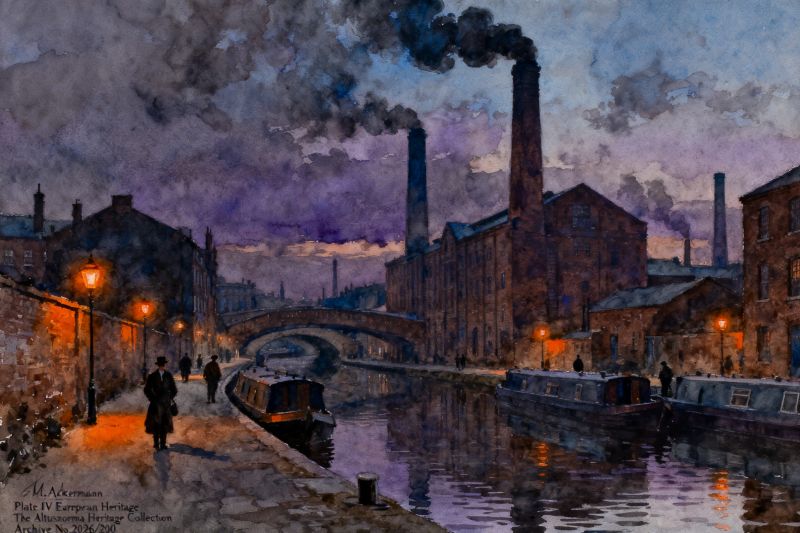
The One & Only Guide to Birmingham’s Fascinating Peaky Blinders Era
Birmingham was once the soot – stained heart of the British Empire. It was a city of iron, steam, and shadows. However, beneath the smoke of the Industrial Revolution, a legend was born. The Peaky Blinders. Today, this era is synonymous with flat caps and razor blades. But the real story is even more fascinating. It is a tale of a city transforming from a workshop into a global powerhouse. This is the ultimate guide to uncovering the heritage, the luxury, and the clandestine history of Birmingham’s most iconic age.
The Real Peaky Blinders: Fact vs. Fiction
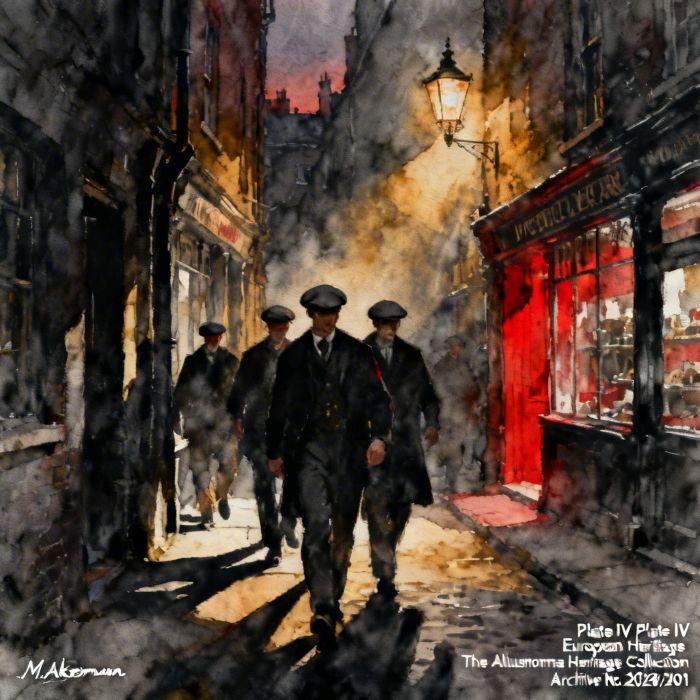
The world knows the Shelby family through the lens of modern television. Nevertheless, the true history of the cities street gangs is far more complex. The original Peaky Blinders emerged in the late 19th century. They were not just criminals; instead, they were a product of the city’s rapid industrialization. Consequently, their influence was felt in every corner of the Black Country. They navigated the labyrinthine canals and narrow alleys of the Jewellery Quarter. In fact, the gangs were born from poverty, ambition, and the desperate struggle for survival in a rapidly changing city. To understand Birmingham today, one must first understand the grit and ambition of these early 20th-century legends.
The term “Peaky Blinders” itself is debated by historians. Some suggest it came from the peaked caps they wore. Others point to the razor blades sewn into their lapels. What is certain is that these gangs represented a moment of social upheaval. They were not merely street fighters; instead, they were symbols of a working class fighting for recognition in an industrial powerhouse. Their influence extended beyond violence into gambling, protection rackets, and territorial control. By the 1920s, the Peaky Blinders had become a defining feature of Birmingham’s social landscape.
To explore more
Peaky Blinders: Violent Gangs and Hidden Secrets of Birmingham
The City of a Thousand Trades: Industrial Revelation
Birmingham was not merely a city; it was an engine. By the early 20th century, it was known as the “City of a Thousand Trades.” From steam engines to the finest jewelry, Birmingham built the world. This industrial explosion created a unique social landscape. It was a place where immense wealth met incredible hardship. Consequently, the architecture of the city began to reflect this duality. Grand Victorian buildings rose alongside crowded back-to-back houses. This contrast defines the visual soul of this era.
The city’s transformation began with the Industrial Revolution. Factories multiplied. The canal network expanded. The railway arrived. By 1900, Birmingham was producing everything from bicycles to firearms, from jewelry to locomotives. The wealth generated was staggering. Yet, the workers who created this wealth lived in conditions of extraordinary deprivation. This inequality fueled social tension. It created the perfect environment for gangs to emerge and flourish. The Peaky Blinders were, in many ways, a symptom of this imbalance.
Birmingham’s Architectural Heritage: A City Built to Last
Walking through the city today, you are surrounded by the physical legacy of mid 19th – century and beginning 20 – century. The architecture tells the story of a city that believed in its own permanence. For example, the Victorian Gothic Revival buildings stand as monuments to industrial confidence. Furthermore, the Art Deco structures reflect the optimism of the 1920s and 30s. These buildings were not merely functional; instead, they were statements of power and aspiration.
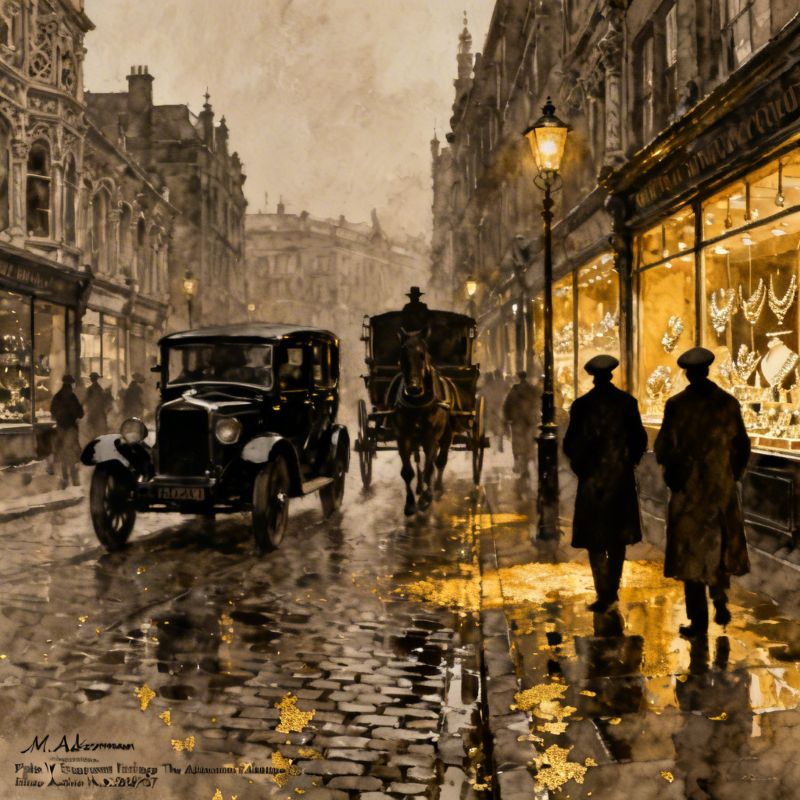
The Jewellery Quarter remains the most intact Victorian industrial neighborhood in Europe. Its narrow streets, lined with ornate workshops and showrooms, transport you directly into the world of the early 1990s. The gas lamps, the cobblestones, the Victorian storefronts—all remain largely unchanged. Walking here is like stepping into a time machine. You can almost hear the sound of the gangs moving through the shadows, the clang of hammers in the jewelry workshops, the whistle of steam engines in the distance.
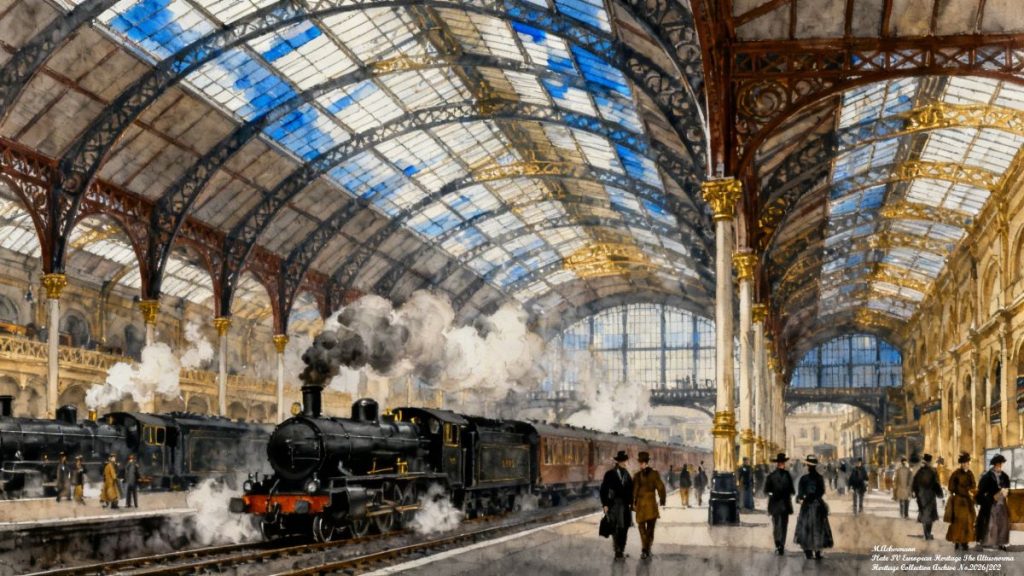
The Railway Heritage: Snow Hill Station and the Age of Steam
No visit to Birmingham’s Industrial era is complete without experiencing Snow Hill Station. This Victorian railway terminus, opened in 1852, was the gateway to Birmingham’s industrial prosperity. The station’s soaring iron and glass roof is a masterpiece of Victorian engineering. Indeed, it was here that goods, passengers, and ideas flowed in and out of the city. The station was also a crucial location in the Blinders narrative – a place where deals were made, where power was negotiated, and where the city’s future was shaped.
Snow Hill Station fell into disrepair in the late 20th century but has undergone a remarkable restoration. Today, it stands as a testament to Victorian ambition and engineering prowess. The station’s architecture reflects the confidence of an era when Birmingham believed it could build anything. For the heritage traveler, a journey through Snow Hill is essential. In fact, it is the physical embodiment of the industrial age.
The Canals: The Lifeblood of Birmingham’s Industrial Revelation
Birmingham’s canal network is one of the most extensive in Britain. These waterways were the arteries of the Industrial Revolution. They transported raw materials, finished goods, and people. The canals were also the social heart of the working-class community. Narrowboat families lived on the water. Dock workers loaded and unloaded cargo. The pubs along the canal were gathering places for the gangs and the working class alike.
The Gas Street Basin, in the heart of the city center, was the epicenter of this activity. Today, it has been restored and transformed into a vibrant cultural hub. However, the original atmosphere – the sense of commerce, danger, and opportunity – remains palpable. Walking along the towpaths, you can imagine the world of the Peaky Blinders. The narrow boats, the warehouse conversions, the historic pubs – all tell the story of a city that was built on water and ambition.
The Civic Centre: Birmingham’s Grand Vision
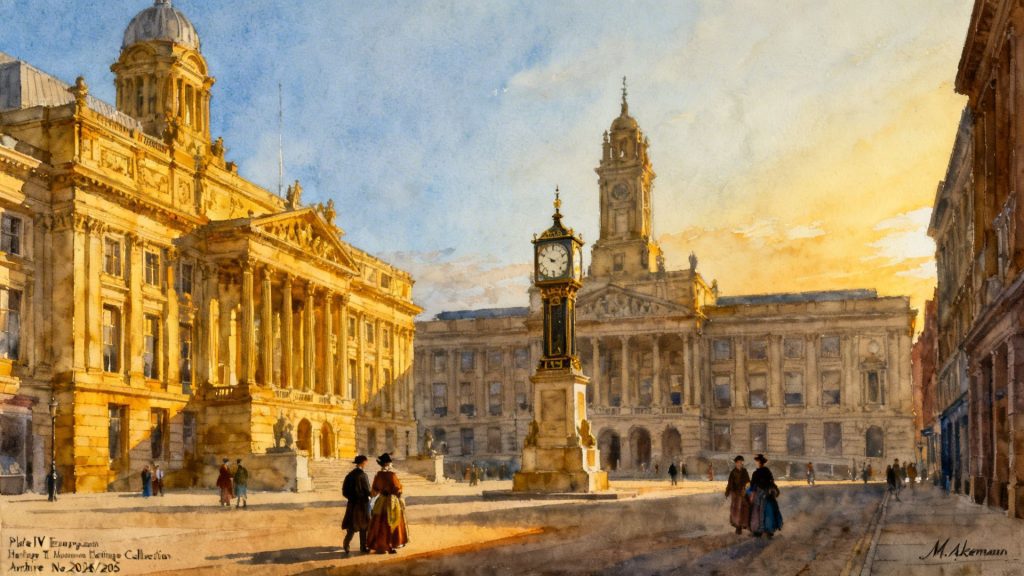
The Civic Centre, constructed in the early 20th century, represents Birmingham’s aspirations for the future. The Town Hall, the Library, and the Museum and Art Gallery form a grand ensemble of Edwardian Baroque architecture. These buildings were designed to reflect the city’s wealth and also the cultural ambition. They stand as a counterpoint to the gritty streets of the Jewellery Quarter and the industrial zones. Together, they tell the complete story of Birmingham during these era – a city of contradictions, ambitions, and transformations.
The Chamberlain Clock, which stands in the Civic Centre, has become an iconic symbol of Birmingham. It is a meeting point, a landmark, and a symbol of the city’s enduring character. For the heritage traveler, the Civic Centre is essential viewing. It represents the “respectable” face of Birmingham, the face that the city wanted the world to see, even as the Peaky Blinders were fighting for survival in the streets below.
The Luxury Anchors: Where Heritage Meets Modern Comfort
For the discerning heritage traveler, Birmingham offers several exceptional hotels that blend historical significance with modern luxury. Each of these establishments provides a unique perspective on the city’s golden age.
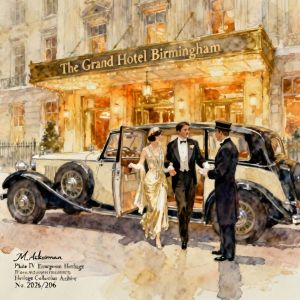
The Grand Hotel Birmingham
Originally opened in 1879, The Grand Hotel Birmingham was the social epicenter for the city’s industrial elite. After a meticulous restoration, it has returned to its former glory in May 2021. It is a masterpiece of Victorian and French Renaissance architecture. Indeed, staying here is not just about luxury; rather, it is about stepping back into a world of marble, gold leaf, and high-society whispers. The hotel’s grand staircase, ornate ceilings, and period furnishings transport you directly into the Edwardian era.
Visit today: Featured in The Times ’23 best places for afternoon tea in the UK’
Hotel du Vin Birmingham
Located in the historic Jewellery Quarter, Hotel du Vin offers a more intimate experience of Birmingham’s heritage. The hotel occupies a converted Victorian warehouse, maintaining the original exposed brick and industrial character while providing contemporary luxury. In addition, the wine bar and restaurant are exceptional and famous, offering a taste of the city’s culinary evolution. Staying here places you in the heart of legacy of mid 19th – century and beginning 20 – century.
Hyatt Regency Birmingham
For those seeking modern luxury with historical context, the Hyatt Regency offers stunning views of the city’s architectural heritage. The hotel is centrally located, providing easy access to Snow Hill Station, the Civic Centre, and the Jewellery Quarter. The rooftop bar also offers panoramic views of the city’s skyline, allowing you to appreciate the full scope of Birmingham’s industrial legacy.
Staying Cool Luxury Apartments
For a more immersive experience, Staying Cool offers luxury apartments in converted heritage buildings throughout the city. These accommodations allow you to live as a resident of Birmingham, experiencing the city’s neighbourhoods as the locals do. Many of these apartments are also located in the Jewellery Quarter and the historic city centre, placing you directly in the heart of the Industrial era.
Premier Inn Birmingham City Centre
For the budget-conscious heritage traveler, the Premier Inn offers reliable, comfortable accommodation at an accessible price point. Located in the heart of the city center, it provides easy access to all major historical sites and attractions. In addition, the hotel’s central location makes it an ideal base for exploring Birmingham’s industrial heritage.
Book Your Stay Through Our Partner
The hotel links throughout this guide direct you to official hotel websites for transparency and detailed information. However, we recommend booking through our trusted travel partner to secure the best rates on luxury accommodations. Browse the hotels featured above through our partner link for exclusive deals and seamless booking.
Dining and Drinking in the Shadow of History
Visit Birmingham’s pubs
The culinary scene in Birmingham has always been a reflection of its diverse heritage. In the early 20th century, the city’s canals were the lifelines of trade, bringing in spices and goods from across the globe. Today, you can dine in converted Victorian warehouses that overlook these historic waterways. The Jewellery Quarter is home to hidden gin parlors and traditional ale houses. These establishments offer a taste of the past, served with modern sophistication.
The Gas Street Basin area has been transformed into a vibrant dining and entertainment hub. Here, you will find restaurants and bars housed in converted warehouses and historic buildings. Many of these establishments maintain the original industrial character – exposed brick, high ceilings, original timber beams – while offering contemporary cuisine and craft beverages. They are the perfect places to reflect on the day’s discoveries while immersing yourself in the atmosphere of Birmingham’s golden age.
For a truly authentic experience, visit the pubs that have survived from these era. These establishments, with their dark wood interiors, brass fixtures, and historic photographs, offer a genuine connection to the past. They are gathering places where locals and visitors alike can experience the spirit of Birmingham’s working – class heritage.
The Black Country Living Museum: Where History Comes Alive
Black Country Living Museum in Dudley – Primary filming location for the Peaky Blinders series
While the city center has modernized, the authentic atmosphere of the 1920s is preserved just a short journey away at the Black Country Living Museum. This open-air museum served as a primary filming location for the Peaky Blinders series. However, its value goes far beyond television. It is a living, breathing recreation of an industrial village. You can walk the cobbled streets, visit the traditional pubs, and even take a boat through the limestone caverns. It is the most immersive way to connect with the “Voices of the Past” that built Birmingham.
The museum features period buildings, including homes, shops, and workshops, all authentically furnished and staffed by costumed interpreters. The storytelling spans over 250 years, from 1712 to 1968. You can experience the daily life of the working class during the industrial era. The museum also offers special events and exhibitions that explore specific aspects of the Peaky Blinders story and the broader history of the industrial Black Country.
Birmingham’s Jewellery Quarter
The Jewellery Quarter is the most intact Victorian industrial neighborhood in Europe. Its narrow streets, lined with ornate workshops and showrooms, transport you directly into the world of the Peaky Blinders. The gas lamps, the cobblestones, the Victorian storefronts for example; – all remain largely unchanged. Walking here is like stepping into a time machine. You can almost hear the sound of the gangs moving through the shadows, the clang of hammers in the jewelry workshops, the whistle of steam engines in the distance.
Furthermore, the quarter is home to the Museum of the Jewellery Quarter, which offers an in – depth look at the history of jewelry manufacturing in Birmingham. The museum is housed in a preserved factory, complete with original machinery and period furnishings. Also, it is a fascinating glimpse into the working conditions and craftsmanship that defined the era. For the traveler, a visit to the Jewellery Quarter is essential. It is the physical embodiment of Birmingham’s industrial soul.
The Arts and Culture: Birmingham’s Museum and Art Gallery
The Birmingham Museum and Art Gallery, located in the Civic Centre, houses one of the finest collections of Pre-Raphaelite art in the world. The museum also features extensive exhibits on Birmingham’s industrial history, including artifacts, photographs, and documents. The building itself is a masterpiece of Edwardian Baroque architecture, reflecting the city’s cultural ambitions during this period.
A visit to the museum provides essential context for understanding the heritage of this city. The exhibits explore the social, economic, and cultural forces that shaped the city during the early 20th century. The Pre-Raphaelite collection offers a counterpoint to the gritty realism of the streets, showing the artistic and cultural aspirations of the era.
Discover Birmingham’s Experiences Through Our Partner
For curated activities, cultural tours, and dining experiences in Birmingham, we recommend browsing through our trusted travel partner. Discover heritage tours, traditional cooking classes, and premium dining reservations with exclusive rates.
The Transformation: From Industrial Powerhouse to Modern City
Birmingham’s journey from the Peaky Blinders era to the modern day is a story of resilience and reinvention. The city has transformed from an industrial powerhouse to a vibrant cultural and commercial center. However, the legacy of the industrial era remains visible in every corner. The architecture, the canals, the neighborhoods—all tell the story of a city that was built on ambition and hard work.
For the heritage traveler, Birmingham offers a unique opportunity to experience the full arc of industrial transformation. You can walk the same streets as the Peaky Blinders, explore the factories and workshops that built the British Empire, and stay in hotels that hosted the industrial elite. You can dine in restaurants housed in converted warehouses and drink in pubs that have served the same communities for over a century.
Conclusion: The Voices of the Past & The Peaky Blinders era
Tu summaries, Birmingham’s transformation from an industrial workshop to a cultural capital is a testament to its enduring spirit. The Peaky Blinders era was a time of conflict, ambition, and incredible change. By visiting the city’s hallowed anchors and exploring its historic quarters, you are not just a tourist; instead, you are a witness to a legacy. The voices of the past echo through the streets, the canals, and also the buildings. They invite you to understand the complexity of the city, to appreciate the sacrifices of those who built it, and to recognize the enduring power of heritage and community.
Join us as we continue to unearth the voices that shaped the heart of England.
Disclosure: This article contains affiliate links to select hotels and services. We earn a small commission if you book through our links, at no additional cost to you. All recommendations reflect our genuine expertise and research.
Comments
4 responses to “The One & Only Guide to Birmingham’s Fascinating Peaky Blinders Era”
[…] The One & Only Guide to Birmingham’s Fascinating Peaky Blinders Era. […]
[…] → Birmingham’s fascinating Peaky Blinders Era […]
[…] → Birmingham’s fascinating Peaky Blinders Era […]
[…] → Birmingham’s fascinating Peaky Blinders Era […]