
The One & Only Guide to Florence: 9 Epic Renaissance Secrets
In the early fifteenth century, Florence was not merely a city. It was a revolution waiting to happen. Between 1400 and 1600, this Tuscan metropolis transformed from a medieval commune into the intellectual and artistic epicenter of human civilization. But beneath the beauty of Renaissance art and architecture lies a darker, more compelling story – one of banking dynasties, political assassinations, forbidden romance, and the ruthless pursuit of power.
This is the story of Florence’s most transformative era told through nine epic secrets that shaped Western civilization. For the contemporary heritage traveler, the city remains the ultimate pilgrimage site where you can walk the same streets where these secrets were born, stay in the palaces where power was negotiated, and understand the human drama that drove an entire era.
Secret #1: The Explosion That Predicts the Future – Scoppio del Carro
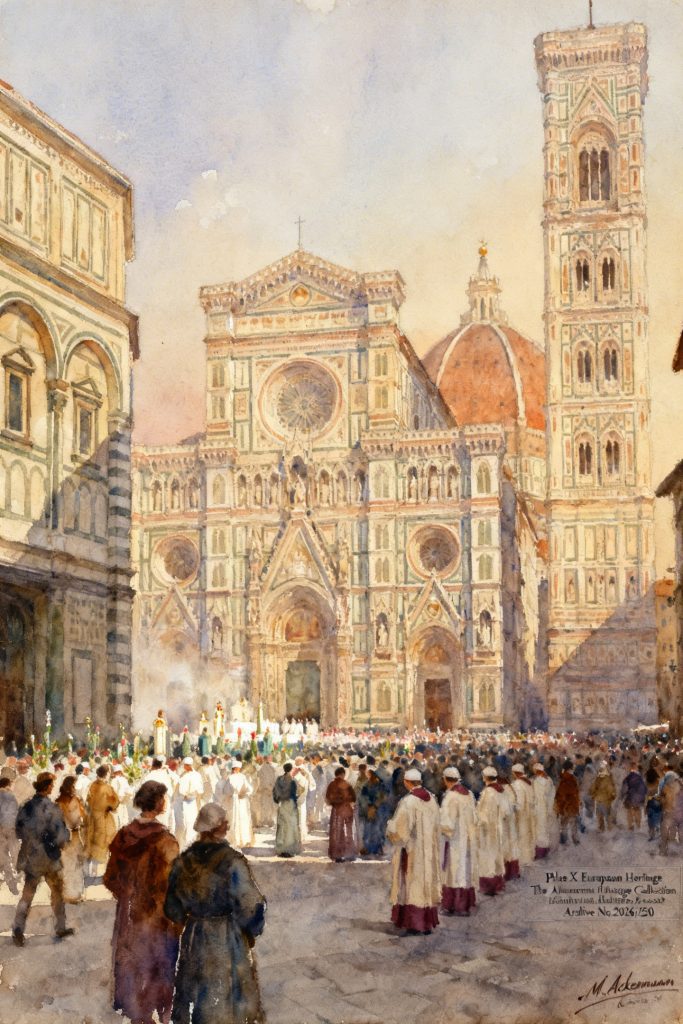
Every Easter Sunday, the city erupts in a tradition that has endured for over 350 years. The Scoppio del Carro – the “Explosion of the Cart” – is not merely a fireworks display. It is a living connection to medieval time, a ritual that blends religious devotion with civic pride, and a spectacle that transforms the Piazza del Duomo into a theater of fire and light.
On Easter early morning, a towering wooden cart packed with approximately 2,500 fireworks is positioned in front of the Cathedral.
During the Easter Mass, the clergy launch a mechanical dove – the colombina – from the high altar of the Duomo, traveling along a wire directly toward the cart. When the dove reaches the explosives, it ignites the entire structure in a spectacular cascade of pyrotechnics that illuminates the cathedral’s facade.
The symbolism is profound: the dove represents the Holy Spirit, the cart represents the tomb of Christ, and the explosion represents the resurrection. Florentines read the success or failure of the Scoppio del Carro as an omen for the year ahead. A successful explosion predicts good harvests and prosperity. A misfire is considered bad luck.
Visit Today
What makes this tradition particularly significant for heritage travelers is its authenticity. Unlike many European festivals that have been modernized for tourism, the procedure remains fundamentally unchanged until today. The cart itself is the same structure used for centuries, maintained by the Opera di Santa Maria del Fiore.
If you visit during Easter week, arrive at the Piazza del Duomo in the early morning to secure a viewing position. The experience of standing in the shadow of Brunelleschi’s dome, surrounded by thousands of Florentines, as the dove launches and the cart explodes, is one of Europe’s most authentic cultural moments.
Read also more here:
Secret #2: How Florence Banking Changed the World
The Medici Financial Revolution
The story of Renaissance is inseparable from the story of the Medici family. They were not nobility in the traditional sense. They were merchants, bankers, and shrewd political operators who understood that wealth could be converted into cultural power, artistic patronage, and ultimately, political control.
Medici Bank, established in 1397 by Giovanni di Bicci de’ Medici, became the largest and most respected financial institution in Europe. By the early fifteenth century, the Medici controlled the flow of money across Christendom. They financed the papacy, managed royal treasuries, and extended credit to the most powerful families in Europe.
Banking Innovation That Changed the World
What made the Medici Bank revolutionary was not just its size, but its innovation. They pioneered double-entry bookkeeping – a system of accounting that tracked both debits and credits, allowing for precise financial management and fraud detection. Additionally they, developed sophisticated banking instruments including letters of credit, bills of exchange, and currency trading mechanisms. Also, they created a network of branch offices across Europe, therefore establishing the first truly international banking system.
These innovations were not merely technical improvements. In addition, they fundamentally changed how commerce operated. Furthermore, they made large-scale international trade possible. Today, when you walk through Palazzo Medici-Riccardi, you are standing in the headquarters of the financial revolution that shaped the modern world.
Secret #3: The Engineering Miracle – Brunelleschi’s Impossible Dome
In 1418, the city faced an architectural crisis. The Cathedral of Santa Maria del Fiore had been under construction for over a century. The structure was magnificent, yet there was one problem: no one knew how to build the dome. The opening was too large – 143 feet in diameter – for any known construction technique. The cathedral stood incomplete, a symbol of ambition exceeding its capability.
Filippo Brunelleschi (1377-1446) was not trained as an architect. In fact, he was a goldsmith and sculptor who had lost a competition to create the bronze doors of the Baptistery to his rival Lorenzo Ghiberti. Rather than accept defeat, Brunelleschi traveled to Rome, where he spent years studying classical architecture, measuring ancient structures, and understanding the principles of engineering that had allowed the Romans to build their monumental works.
Brunelleschi’s solution
When Brunelleschi returned home and proposed his solution for the dome, it seemed impossible. He proposed a double-shell dome – two concentric domes, one inside the other – that would support itself without requiring the massive wooden scaffolding that conventional construction would have demanded. The inner dome would support the outer dome, therefore creating a self-supporting structure that defied the engineering knowledge of the time.
More remarkably, Brunelleschi invented the machinery necessary to construct his design. He created an ox-driven hoist that could lift massive stones to the construction height. He designed a system of pulleys and counterweights that made the work more efficient. He solved problems of geometry, structural engineering, and practical construction that had stumped the greatest minds of the age.
In 1436, Brunelleschi completed the dome, rising 114 meters above the ground. It remains the largest masonry dome ever built. Brunelleschi obtained the first patent in 1421 for one of his inventions – therefore, making him the first person to receive a patent in the Western world.
Secret #4: Blood on the Cathedral Steps – The Pazzi Conspiracy
In 1478, on April 26, during Easter Mass in the Cathedral, one of Italy’s most dramatic moments unfolded. The Pazzi Conspiracy – a plot to assassinate Lorenzo de’ Medici and his brother Giuliano – was executed with brutal precision. The Pazzi family, rivals to the Medici in banking and political power, had orchestrated an elaborate scheme to eliminate their competitors and seize control of Florence. As the priest elevated the Host during Mass, the conspirators struck. Giuliano was stabbed 19 times and died on the cathedral floor, his blood staining the sacred space.
Lorenzo, wounded but fighting, managed to escape to the sacristy and barricade himself inside. The assassination attempt failed, but it revealed the violent undercurrents beneath Florence’s cultural sophistication.
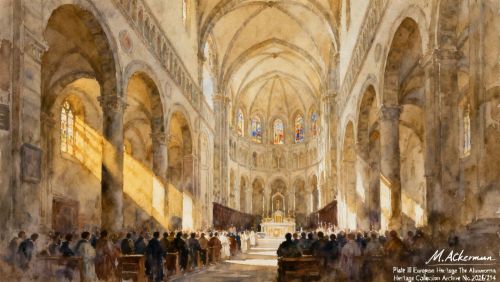
What followed was brutal retribution. The Medici executed the conspirators with ruthless efficiency and after erased their name from public records. Jacopo de’ Pazzi, the family patriarch, was hanged from the Palazzo della Signoria. Afterwards, his body was dragged through the streets and thrown into the Arno River. Other conspirators faced torture and execution. Consequently, the Medici confiscated wealth and property. As a result, the conspiracy became a turning point in Florentine history – a moment when the Medici demonstrated that they would not tolerate challenges to their power.
Yet the conspiracy also became a moment of cultural production. Artists and writers commemorated the event. Botticelli painted scenes of the conspiracy. Machiavelli later analysed it as an example of political power and betrayal.
Tracing the footsteps of a deadly conspiracy through Florence today
For contemporary travelers in this days, the Pazzi Conspiracy adds a layer of dark intrigue to your travel experience. When you stand in the cathedral where Giuliano died, when you walk past the Palazzo della Signoria where the conspirators were executed, you are standing in the physical spaces where power was contested through violence and blood. For this reason, the conspiracy reveals that beneath the beauty of Renaissance art lay a ruthless political reality.
Secret #5: The Rival Dynasty – Strozzi vs. Medici Banking War
While the Medici dominated the political landscape, the Strozzi family represented the most serious banking and commercial challenge to Medici supremacy. The Strozzi were not merely competitors. They were equals in wealth, ambition, and cultural sophistication. The rivalry between these two families was an example one of the cities most compelling dramas – a story of money, power, forbidden love, and the ruthless competition between banking dynasties.
Filippo Strozzi (1426-1491) was a banking genius who rivaled the Medici in financial acumen. He established the Strozzi Bank, which operated across Europe with the same sophistication as the Medici Bank. As a result, he financed kings and popes and managed vast commercial networks. He accumulated wealth that rivaled the Medici fortune. But Filippo understood that banking wealth alone was insufficient.
Like the Medici, he needed to convert financial power into cultural authority. Therefore in 1489, he commissioned the construction of the Palazzo Strozzi – a palace designed to rival the Medici palace in grandeur and architectural significance. The palace was larger and more imposing than the Medici palace, with an elaborate facade that declared the Strozzi family’s wealth and power to all of Florence.
The Strozzi Challenge to Medici Power
Significantly, the rivalry extended beyond banking and architecture into personal relationships. The two families competed for advantageous marriages, sought to secure the same political alliances, and maneuvered for influence with the papacy and European monarchs. There were moments of romance and betrayal.
Alessandra Strozzi, a widow and member of the Strozzi family, wrote letters that reveal the emotional complexity of the rivalry. For instance, she negotiated marriages for her sons, seeking alliances that would strengthen the Strozzi position against the competitors. She recorded moments of triumph when a Strozzi marriage secured a powerful alliance, and moments of heartbreak when political necessity forced her children into marriages with rivals or enemies. Her letters reveal a woman navigating the intersection of family ambition, personal emotion, and political necessity – a human story beneath the grand historical narrative.
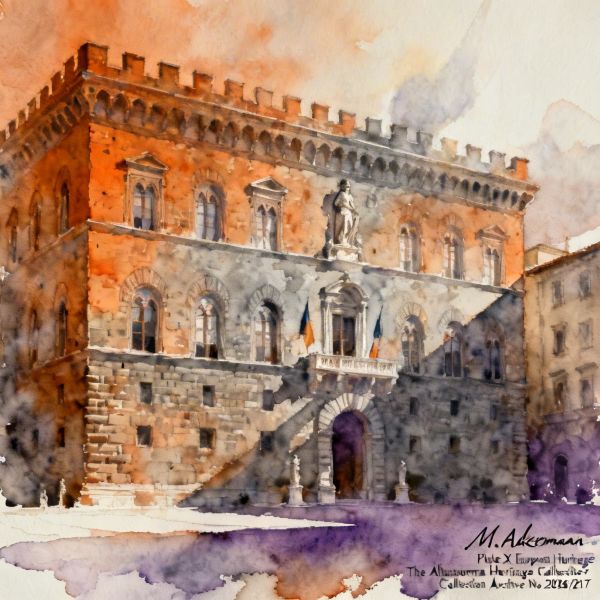
Palazzo Strozzi – Testament of the Family
The Strozzi never fully displaced the Medici, but they remained a powerful force in Florentine society throughout history. Their palazzo still stands as a testament to their ambition and wealth. Today, when you walk past the Palazzo Strozzi, you are seeing the physical manifestation of a banking family’s determination to challenge the Medici dominance. The palace represents not just architectural achievement, but the story of a family that refused to accept second place.
For contemporary travelers, the two families rivalry adds a layer of human drama to your experience. It reveals that the Renaissance was not merely about art and beauty. It was about competition, ambition, and the struggle for power between families who understood that wealth could be transformed into cultural and political authority. The rivalry between these two dynasties shaped not just the city, but the entire trajectory of European banking and commerce.
Secret #6: Palaces as Power Statements – Florence Renaissance Architecture of Dominance
The palaces of the metropolis are not merely beautiful buildings. They are statements of power, repositories of art, and physical manifestations of the banking families’ ambitions. Walking through the historic center in this days, you encounter these palaces at every turn – each one a masterpiece of architecture, each one a monument to a family’s wealth and cultural authority. The Palazzo Medici-Riccardi, commissioned by Cosimo de’ Medici in 1444, established the template for Renaissance palace architecture. Designed by Michelozzo, the palace combines classical proportions with functional design.
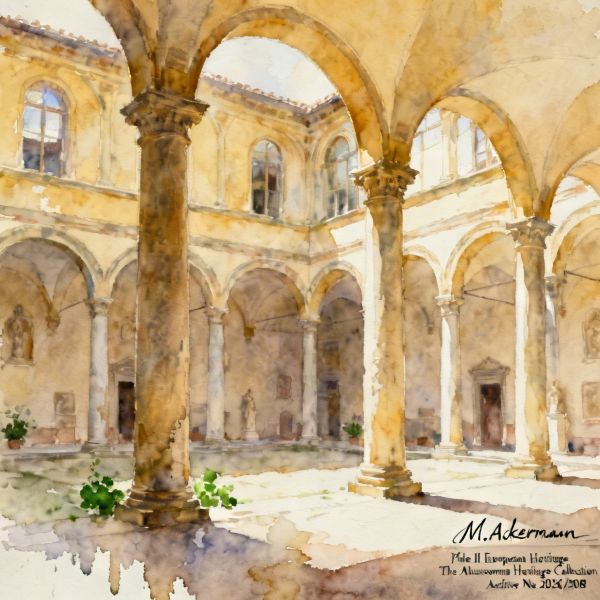
The ground floor features rusticated stone – rough-hewn blocks that convey strength and permanence. Above, the upper floors are more refined, with elegant windows and decorative details. The interior courtyard provides a private space for the family while the palace’s exterior presents a public face of power.
These palaces served multiple functions. On one hand, they were residences, certainly, but on the other hand they were also banks, administrative centers, and galleries for art collections. Therefore, the ground floors often housed the family’s banking operations. The upper floors contained private apartments decorated with frescoes by the greatest artists of the age. At the centre, an courtyards hosted gatherings where Florence’s intellectual and political elite convened.
For contemporary travelers, these palaces offer a window into historical life. Walking through these rooms, you understand that the Renaissance was not an abstract intellectual movement. It was lived in these spaces, discussed in these courtyards, and created by people who inhabited these palaces.
The Ponte Vecchio – Florence’s Bridge of Commerce and Survival
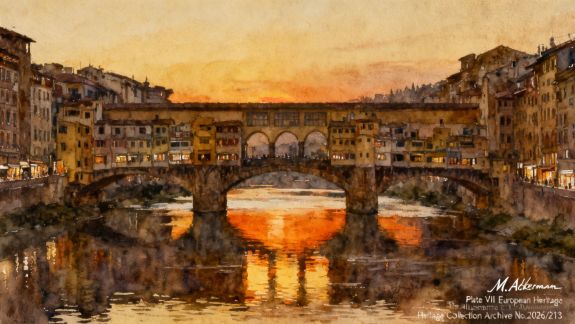
While the Medici and Strozzi families built their palaces on land, another symbol of commercial dominance rose above the Arno River itself: the Ponte Vecchio. This medieval bridge, rebuilt in its current form in 1345, represents the physical manifestation of the republic’s banking and commercial power. It was not merely a crossing point, in addition it was a marketplace, a financial hub, and a symbol of the city’s control over trade and commerce.
The Ponte Vecchio’s distinctive architecture – three arches spanning the Arno – was revolutionary for its time. The bridge’s design allowed for shops to be built directly into its structure, therefore creating a unique commercial space that generated revenue for the city. These shops, historically occupied by butchers and fishmongers, were later replaced by jewelers and goldsmiths – a transformation that reflected the cities shift from general commerce to luxury goods and financial services.
Overall, the strategic location made it essential to Florence’s economic power. It connected the city’s two halves, linking the commercial district on the north bank with the residential and administrative areas on the south. Therefore, control of the bridge meant control of trade. Especially, Medici family understood this principle intimately. As a result, they positioned themselves as protectors of the bridge and therefore benefited of the commerce that flowed across it.
During the Pazzi Conspiracy of 1478, the Ponte Vecchio became a site of political significance. The conspirators planned to used the bridge as an escape route after assassinating Lorenzo de’ Medici. The bridge’s strategic importance extended beyond commerce into the realm of political power and survival.
Ponte Vecchio at present
Today, the Ponte Vecchio remains one of the most iconic symbols. Lined with jewelry shops, crowded with tourists, and spanning the Arno with timeless elegance, the bridge connects contemporary visitors to the commercial and financial heritage. When you walk across the Ponte Vecchio, you are walking on centuries of Florentine commerce, banking, and power. You are treading the same stones that merchants, bankers, and political actors crossed when Florence was reshaping the world through commerce and culture.
After all, the bridge’s survival through centuries of flood, war, and political upheaval speaks to its fundamental importance to cities identity. Unlike other medieval bridges that were destroyed and rebuilt, the Ponte Vecchio has maintained its essential structure and character. For this reason, it stands as a testament to Renaissance engineering, commercial ingenuity, and the enduring power of Florence’s banking heritage.
Secret #7: Where Luxury Meets History – Staying in Florence
Four Seasons Hotel Firenze – Palazzo della Gherardesca
Four Seasons Hotel Firenze occupies the Palazzo della Gherardesca, a fifteenth-century palace that served as the private residence of Florentine nobles for five centuries. The hotel’s renovation, completed in 2008, represents a masterclass in preserving historical authenticity while providing contemporary luxury. The palazzo’s original frescoes remain intact, adorning the ceilings and walls. The courtyard, with its Renaissance proportions and classical columns, provides a serene retreat from the bustling streets outside. The hotel’s 116 rooms and suites maintain the palazzo’s historical character while offering every contemporary amenity.
Location of the Four Seasons is strategic: it sits on the Arno River, offering views of the Ponte Vecchio and the surrounding cityscape. Finally, the hotel’s restaurant, Ora d’Aria, serves contemporary Italian cuisine in a setting that overlooks the river. To summaries, for luxury travelers seeking the ultimate immersion, the Four Seasons represents the pinnacle of luxury hospitality.
Hotel Brunelleschi Florence – Built Within Medieval Ruins
Hotel Brunelleschi occupies a unique position in Florence’s heritage landscape. The hotel is constructed within the remains of a sixth-century Byzantine church and a medieval tower. The excavation during the hotel’s construction revealed archaeological layers spanning over 1,400 years of Florentine history. The hotel’s private museum displays artifacts from these excavations, allowing guests to literally walk through layers of history. The 96 rooms combine modern comfort with historical authenticity.
In addition, the hotel’s location, between the Duomo and Piazza della Repubblica, places it at the heart of the city. Overall Hotel Brunelleschi offers a more intimate alternative to the Four Seasons, with a boutique aesthetic that emphasizes historical character over grand scale. The hotel includes two restaurants and a private museum, therefore making it not just a place to stay, but a destination for cultural exploration.
Sina Villa Medici, Autograph Collection
Sina Villa Medici, Autograph Collection occupies an early nineteenth-century palazzo in the historic center. While technically post-Renaissance, the palazzo embodies Renaissance architectural principles and offers guests an experience of living in a noble Florentine residence. The hotel features 102 rooms and suites, many with original frescoes and period furnishings. The palazzo’s gardens provide a rare private outdoor space in the heart of the urban center. The hotel’s restaurant serves traditional Tuscan cuisine in a setting that evokes exceptional dining culture.
Rosewood Florence – Contemporary Luxury in a Renaissance Setting
Visiting the Rosewood, located in the Palazzo Gaddi (a sixteenth-century palace), represents a different approach to heritage hospitality. Rather than attempting to recreate the Renaissance, Rosewood combines contemporary design with historical architecture. The hotel’s 62 suites feature modern minimalist design that contrasts with the palazzo’s classical proportions. The contrast between contemporary and historical creates a unique aesthetic that appeals to travelers seeking both luxury and cultural authenticity. The Rosewood’s rooftop terrace after all, offers panoramic views of downtown, making it an ideal location for experiencing the city’s architectural heritage from a contemporary perspective.
Mid-Range Heritage Hotels in Florence
Hotel Pendini – A historic hotel overlooking Piazza della Repubblica, offering comfortable accommodations in a nineteenth-century building with Renaissance architectural influences.
Hotel Calimala – Located in a restored historical building, offering budget-conscious travelers access to authentic Florentine heritage.
Hotel Davanzati – A small, family-run hotel in an authentic palazzo, emphasizing personal service and historical authenticity.
Book Your Stay Through Our Partner
The hotel links throughout this guide direct you to official hotel websites for transparency and detailed information. However, we recommend booking through our trusted travel partner to secure the best rates on luxury accommodations in Florence. Browse the hotels featured above through our partner link for exclusive deals and seamless booking.
Experience Renaissance Florence
Staying in a palazzo transforms your experience from tourism into immersion. These hotels are not merely accommodations. They are gateways to the past. Each palazzo tells a story of banking dynasties, artistic patronage, and the ambition that drove an entire era.
Piazzale Michelangelo
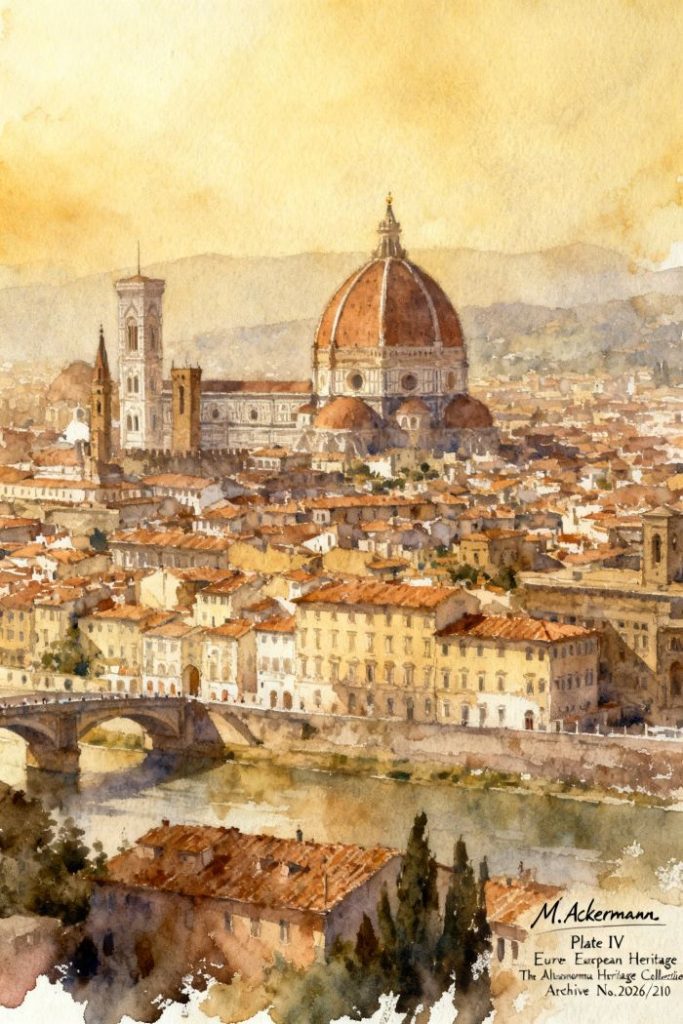
Certainly, Piazzale Michelangelo is one of the best viewpoints of the city. It’s a beautiful spot all day and one of the best places to watch the sunset.
Secret #8: The Masterpieces That Changed Art – Museums and Galleries
The Uffizi Gallery – The World’s Greatest Renaissance Collection
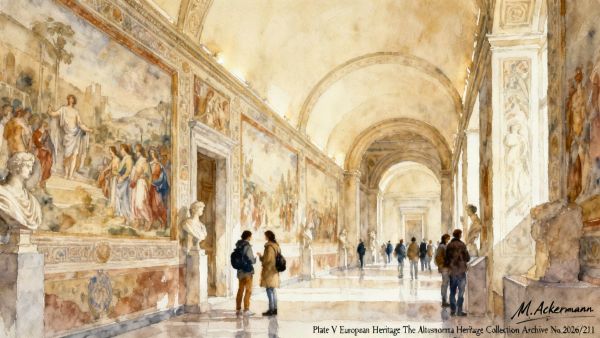
The Uffizi Gallery houses the world’s greatest collection of Renaissance art. The building itself, designed by Giorgio Vasari in 1560, is a masterpiece of Renaissance architecture. The gallery’s collection includes works by Botticelli, Leonardo, Michelangelo, Raphael, and virtually every major Renaissance artist. Not only Uffizi Gallery is not merely a museum but also it is a pilgrimage site for anyone seeking to understand Renaissance art and culture. The gallery’s collection tells the story of how the city transformed from a medieval town into the cultural capital of Europe. Walking through the Uffizi’s corridors, you encounter the visual documentation of the Renaissance – the moment when human creativity reached new heights of sophistication and beauty.
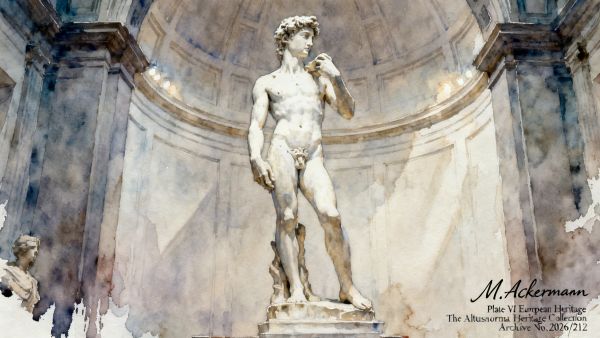
The Accademia Gallery – Michelangelo’s David
The Accademia Gallery houses Michelangelo’s David – arguably the most famous sculpture in human history. Carved between 1501 and 1504, the statue represents the pinnacle of Renaissance sculptural achievement. Standing before the David, you understand why Michelangelo was considered a genius.
Indeed, the statue captures not just physical beauty, but psychological intensity and spiritual aspiration. The David is not merely a representation of the biblical hero. It is a statement about human potential, about the capacity of the individual to overcome obstacles and achieve greatness. Seeing the David is non-negotiable. The sculpture embodies the Renaissance belief in human dignity and the power of artistic genius to transcend the material world.
Secret #9: The Genius Who Invented the Future – Filippo Brunelleschi’s Legacy
Filippo Brunelleschi (1377-1446) represents the Renaissance ideal of the universal genius. He was simultaneously an architect, engineer, mathematician, and artist. His life demonstrates the principle that human ingenuity could overcome any obstacle. Brunelleschi’s most famous achievement – the dome of the Florence Cathedral – was not his only contribution to Renaissance innovation. He pioneered the principles of linear perspective, fundamentally changing how artists represented three-dimensional space on two-dimensional surfaces. Invented mechanical devices that revolutionized construction techniques and also designed churches and buildings that established new architectural standards.
What made Brunelleschi unique was his method. He combined theoretical knowledge with practical experimentation. He studied classical architecture in Rome, but he also spent time working as a goldsmith and sculptor, understanding materials and construction from the ground up. Brunelleschi approached problems systematically, testing hypotheses and refining solutions. Consequently, Brunelleschi’s legacy extends far beyond his specific achievements.
He established the principle that innovation comes from combining multiple disciplines, from rigorous experimentation, and from the belief that human intelligence could solve problems that seemed impossible. In many ways, Brunelleschi invented the modern scientific method – the systematic approach to problem-solving that would define the Enlightenment and modern science.
Brunelleschi’s Enduring Influence on Science and Architecture
In conclusion, Brunelleschi represents the Renaissance at its best: ambition tempered by skill, innovation grounded in practical knowledge, and the belief that beauty and engineering could be unified in service of human aspiration. When you climb Brunelleschi’s dome nowadays, when you study his engineering solutions, when you stand before his architectural achievements, you are connecting with one of history’s greatest minds – a person who believed that human beings could accomplish the impossible, and who proved it through his work.
The Florence Cathedral and Brunelleschi’s Dome
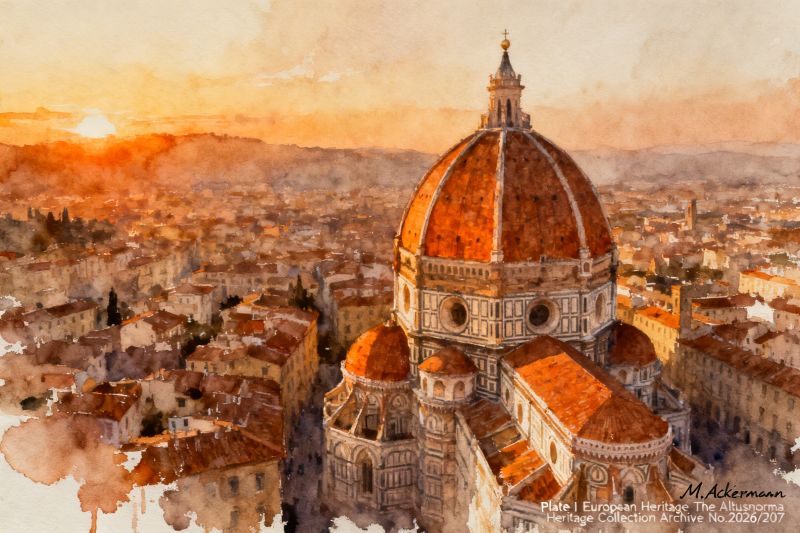
The Cathedral (Duomo) is not just a building. It is the physical manifestation of Renaissance ambition. The cathedral’s construction spanned centuries, but it was Brunelleschi’s dome that transformed it from an incomplete project into a masterpiece. Climbing the dome remains one of the most essential experiences. The 463 steps take you through the interior of Brunelleschi’s double-shell structure, and the view from the top encompasses the entire city.
From the dome’s summit, you see the city spread below you – the terracotta roofs, the Arno River, the surrounding Tuscan hills. You understand why Brunelleschi’s dome became the symbol of the city: it defines the city’s skyline, it represents human ingenuity overcoming impossible obstacles, and it stands as a testament to the Renaissance belief that beauty and engineering could be unified in service of human aspiration.
The Dome That Changed Architecture
Brunelleschi’s dome represents the moment when human ingenuity transcended medieval limitations. For example, the double-shell construction, the innovative machinery, the geometric precision – all of these elements combined to create a structure that seemed impossible. Yet, Brunelleschi believed in the power of human intelligence to solve any problem. Consequently, his dome stands as proof that belief was justified. For contemporary visitors, climbing the dome is not merely a tourist activity. It is a pilgrimage to the birthplace of modern engineering and architectural innovation.
Book Your Stay Through Our Partner
The hotel links throughout this guide direct you to official hotel websites for transparency and detailed information. However, we recommend booking through our trusted travel partner to secure the best rates on luxury accommodations in Florence. Browse the hotels featured above through our partner link for exclusive deals and seamless booking.
The Living Legacy of Florence’s Nine Secrets
To summarize, Florence’s Renaissance legacy is not confined to history books or museum walls. It lives in the streets you walk, the buildings you enter, the art you encounter, and the cultural traditions that continue to define the city. The nine secrets of Florence – from the Scoppio del Carro’s explosion to the Pazzi Conspiracy’s blood, from the Medici banking revolution to the Strozzi family’s rivalry, from Brunelleschi’s engineering genius to the masterpieces that changed art – these secrets reveal that the Renaissance was not merely an artistic movement. In other words, it was a human drama of ambition, power, betrayal, and creativity.
When you visit Florence, you are not merely visiting a tourist destination. You are entering a living museum of human achievement and human struggle. Stay in a Renaissance palazzo. Climb Brunelleschi’s dome. Stand before Michelangelo’s David. Walk the streets where the Pazzi Conspiracy unfolded. Visit the Palazzo Strozzi and understand the banking rivalry that shaped European commerce. Participate in the Scoppio del Carro. Dine in restaurants overlooking the Arno.
These experiences connect you to one of humanity’s most transformative periods. Overall, Florence’s Renaissance was built on the principle that human beings could reshape the world through intelligence, creativity, and determination. That principle remains as relevant today as it was in 1400. In fact, in Florence, you don’t just learn about history. You experience it, inhabit them, therefore you become part of histories ongoing legacy.
Practical Information for Florence Heritage Travel
Best Time to Visit: April-May (spring) or September-October (autumn) offer pleasant weather and fewer crowds than summer. Easter week provides the unique opportunity to experience the Scoppio del Carro.
Getting There: The city is served by Amerigo Vespucci Airport (FLR), with connections to major European cities. The city is also accessible by train from Rome, and other Italian and European cities. Once in Florence, the historic center is best explored on foot.
Duration: A min. of 4 days is recommended to experience Florence’s major attractions. A week allows for deeper exploration of museums, neighborhoods, and day trips to surrounding Tuscan areas.
Budget: Florence ranges from budget-conscious €50-100 per day to luxury €300+ per day. Mid-range hotels typically cost €150-200 per night. Meals range from €10-15 for casual dining to €50-100+ for fine dining.
Language: In general, Italian is the primary language. However, English is widely spoken in tourist areas, hotels, and restaurants. Learning basic Italian phrases enhances the cultural experience.
Currency: Italy uses the Euro (EUR). Credit cards are widely accepted, though some smaller establishments prefer cash. ATMs are readily available throughout the city.
Discover Florence’s Nine Epic Secrets
Explore luxury hotels in Florence through our trusted travel partner. Secure exclusive rates on Renaissance palaces and heritage properties. Book now for your heritage travel experience.
Disclosure: This article contains affiliate links to select hotels and services. We earn a small commission if you book through our links, at no additional cost to you. All recommendations reflect our genuine expertise and research.
Comments
3 responses to “The One & Only Guide to Florence: 9 Epic Renaissance Secrets”
[…] Discover the full story of Florence’s Renaissance legacy, its banking dynasties, in our Complete Florence Guide. […]
[…] → Florence: 9 Epic Renaissance Secrets […]
[…] → Florence: 9 Epic Renaissance Secrets […]