Explore the most significant European heritage destinations, where centuries
of architectural innovation, cultural achievement, and historical drama
are preserved in stone, tradition, and living memory.
A Definitive Record of European Heritage and Historical Grandeur
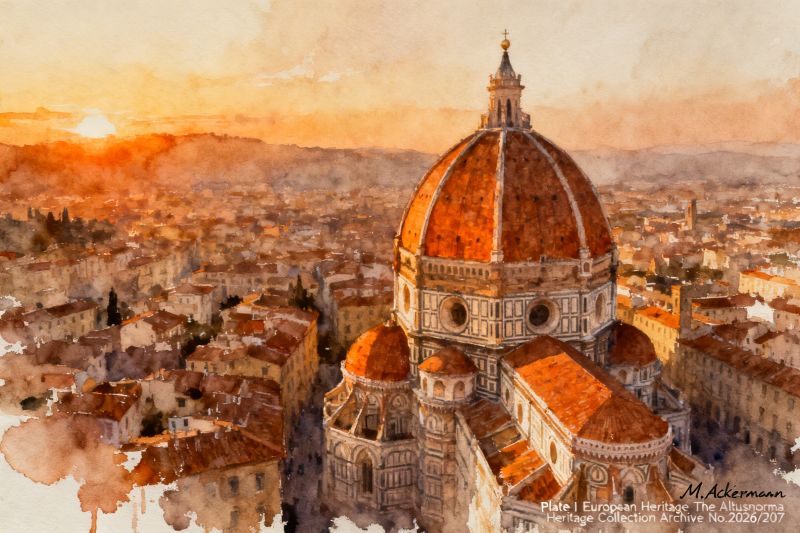
Our European Heritage collection presents destinations for luxury travel, that shaped Western civilization. It moves beyond surface beauty and focuses on institutional longevity, architectural influence, and cultural impact. From the neoclassical power of Berlin to the medieval streets of Prague, from the Renaissance brilliance of Florence to the imperial grandeur of Vienna, each city reflects a decisive historical moment.
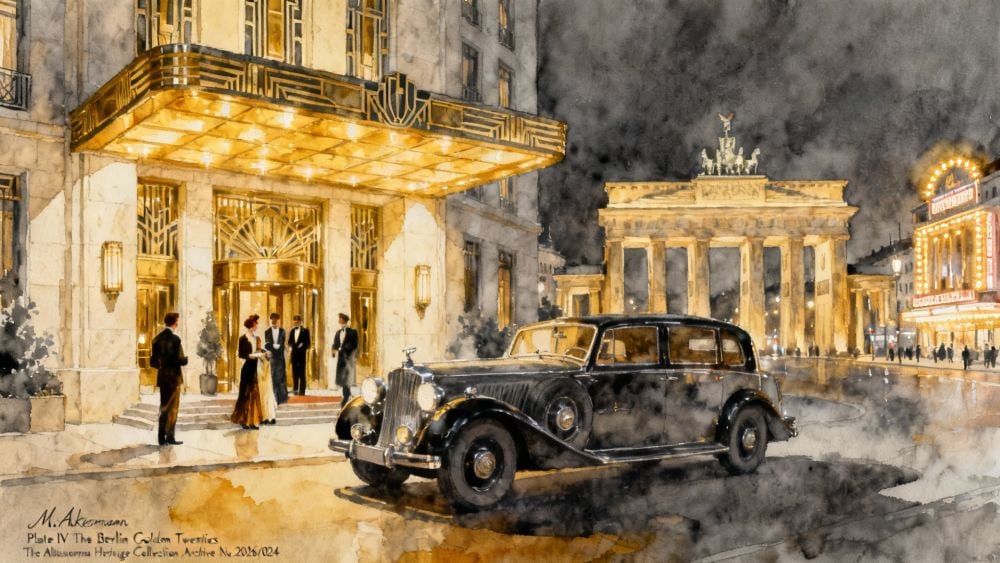
We believe heritage travel is not nostalgia. Instead, it is a disciplined exploration of how the past informs the present. Europe’s great capitals continue to evolve, yet they preserve the structures, philosophies, and artistic ambitions that defined them. Whether you are drawn to Berlin’s Golden Twenties or the ceremonial elegance of Vienna, our guides combine historical authority with practical refinement.
Civilizations That Shaped a Continent
However, Europe’s story of travel did not begin in the 19th or 20th century. Long before industrialization and empire, classical civilizations established enduring foundations. For instance, Rome demonstrated engineering mastery and administrative discipline. Athens cultivated political thought and civic participation. Across the continent, Roman infrastructure quietly shaped trade routes, first travel routs and also urban planning for centuries.
As the medieval period emerged, power shifted toward fortified cities and cathedral towns. In fact, Prague developed into a political and spiritual center of Central Europe. Florence fostered banking dynasties and artistic innovation.
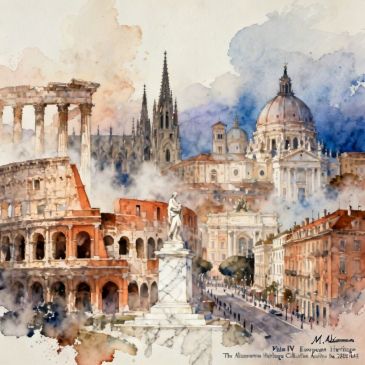
Meanwhile, Vienna strengthened its role as an imperial mediator between East and West. Gothic architecture, merchant networks, and court patronage defined this era. These cities did not merely survive; they accumulated layers of influence.
Imperial Power, Intellectual Revolutions, and Urban Grandeur
First, the Renaissance accelerated that transformation. Humanism reshaped scholarship and artistic expression as well as European Heritage and history. Scientific inquiry gained authority. Urban spaces reflected confidence and ambition. Later, the Enlightenment introduced intellectual salons, political reform, and cultural debate. Paris, Amsterdam, and Munich each contributed to this continental reorientation. Progress did not erase tradition; rather, it reframed it.
In the modern era, Europe faced industrial growth, social upheaval, and geopolitical conflict. Nevertheless, many cities adapted without losing identity. In fact, Berlin reinvented itself repeatedly across empire, division, and reunification. Also, St. Petersburg projected imperial vision through disciplined urban planning and monumental scale. Vienna entered the twentieth century as a laboratory of music, psychology, and design. Each example demonstrates continuity through change.
European Heritage – Continuity Through Change
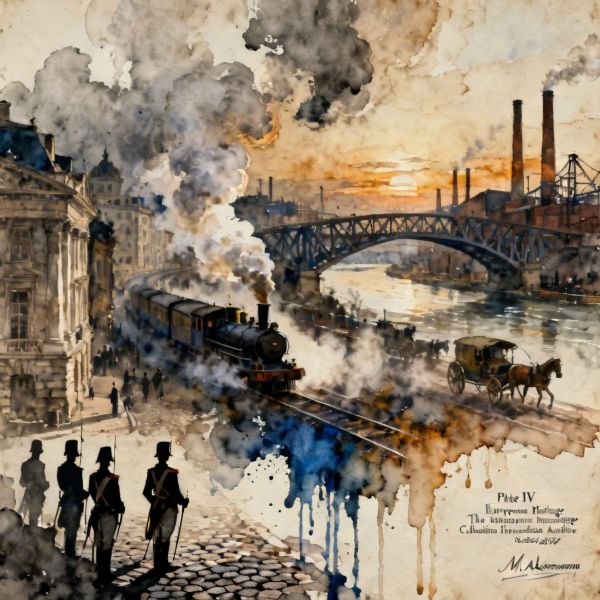
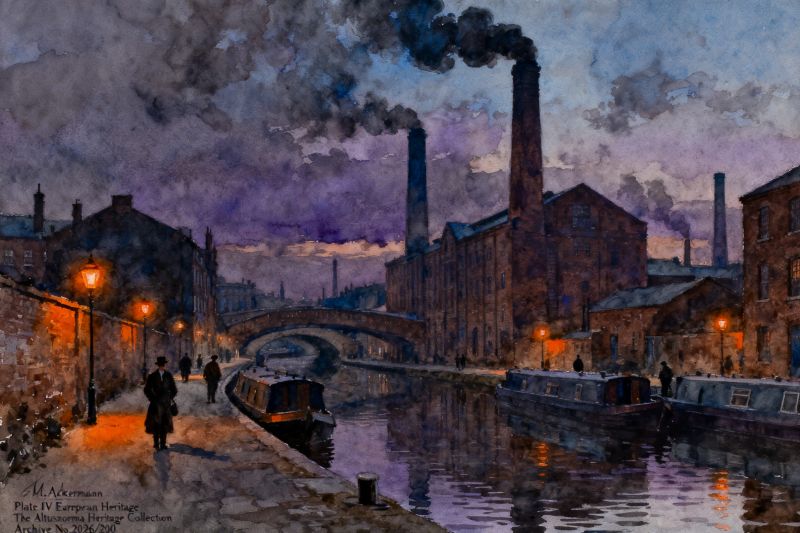
To illustrate future editions of this collection will examine such transitions with precision. St. Petersburg offers insight into imperial ambition and cultural patronage. Such as Vienna reveals the intellectual tension of the fin-de-siècle. Prague preserves medieval structure while embracing modern vitality. Munich, for example, balances royal heritage with artistic independence. In addition, cities like Birmingham illustrates industrial transformation within a British context.
Importantly, European Heritage is not confined to architecture alone. It includes political reform, artistic revolutions, maritime expansion, and scientific discovery.
It considers how grand hotels occupy former palaces and how restored districts integrate contemporary life. Luxury hospitality, when executed responsibly, becomes part of preservation rather than disruption.
Ultimately, this project serves travelers who value context. However, beauty alone is not sufficient. Substance matters. European cities endure because they adapt while protecting memory. Through careful documentation, we connect imperial courts, merchant republics, intellectual movements, as well as modern cultural revival into one coherent narrative.
European Heritage, therefore, represents continuity rather than sentiment. It acknowledges complexity, celebrates achievement, and invites informed exploration. In doing so, it transforms travel into disciplined appreciation – grounded in history, elevated by refinement, and sustained by relevance.
Discover the heritage destinations that define Europe and Heritage travel.
Seeking a different perspective? Explore our curated archive of European Heritage, Asian Heritage, Travel Chronicels or explore with our partners