
Florence’s Easter Heritage: 350 Years of Fire and Betrayal
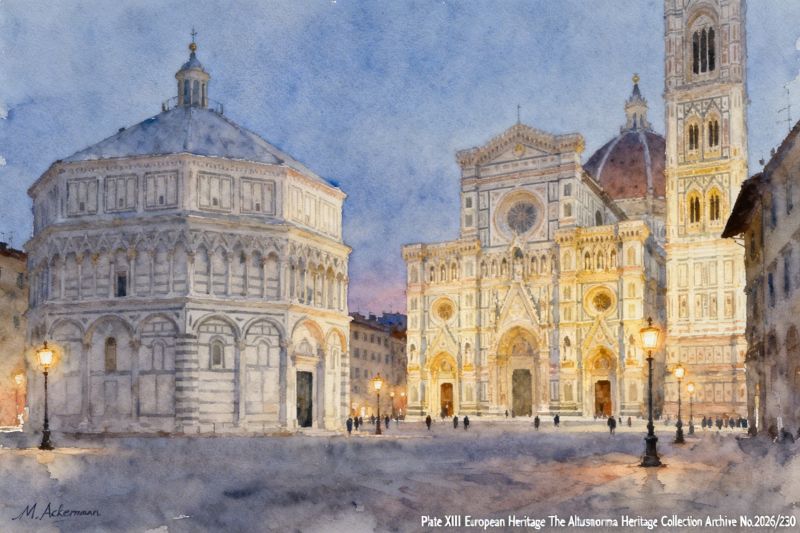
Florence, a city eternally etched in the annals of history, prepares once more for its most explosive Easter celebration. Significantly, this event is known as Florence’s Scoppio del Carro, or “Explosion of the Cart.” This ancient ritual, captivating thousands each year, is far more than a mere spectacle. It carries a profound, often overlooked, historical resonance, deeply intertwined with one of the Renaissance’s most infamous acts of betrayal: the Pazzi Conspiracy. For the discerning heritage traveler, understanding this dual narrative transforms a simple holiday visit into an immersive journey through time. Here, in Florence where faith, power, and violence converge in the heart of the Tuscan capital.
The Ancient Origins: A Crusader’s Fiery Legacy
The remarkable story of the Scoppio del Carro does not begin in Florence. It began in the dust and fervor of the First Crusade. In 1099, a valiant Florentine knight, Pazzino de’ Pazzi, distinguished himself. Indeed, he was the first to scale the walls of Jerusalem. As a result, for his extraordinary bravery, Godfrey of Bouillon, the leader of the Crusade, personally gifted Pazzino three flint stones. Notably, these relics came from the Holy Sepulchre itself. Subsequently, Pazzino brought these sacred relics back to Florence destined to become the catalyst for a centuries-old tradition.
Significantly, each Holy Saturday, these very flints ignited the “Holy Fire” within Florence. This flame served as a potent symbol of purification, renewal, and the triumph of light over darkness. Initially, young Florentines would carry torches lit from this sacred flame throughout the city, bringing its blessed light to every home and hearth. Over time, this simple, heartfelt procession evolved. Over the years, the Florentines transported on an increasingly elaborate cart. Eventually leading to the dramatic pyrotechnic display we recognize today as the Scoppio del Carro. Historians believe this explosive form of the ceremony took shape by the late 14th century. Afterwards, solidifying its place in Florentine culture.
Easter Sunday, 1478: The Pazzi Conspiracy and Its Bloody Aftermath
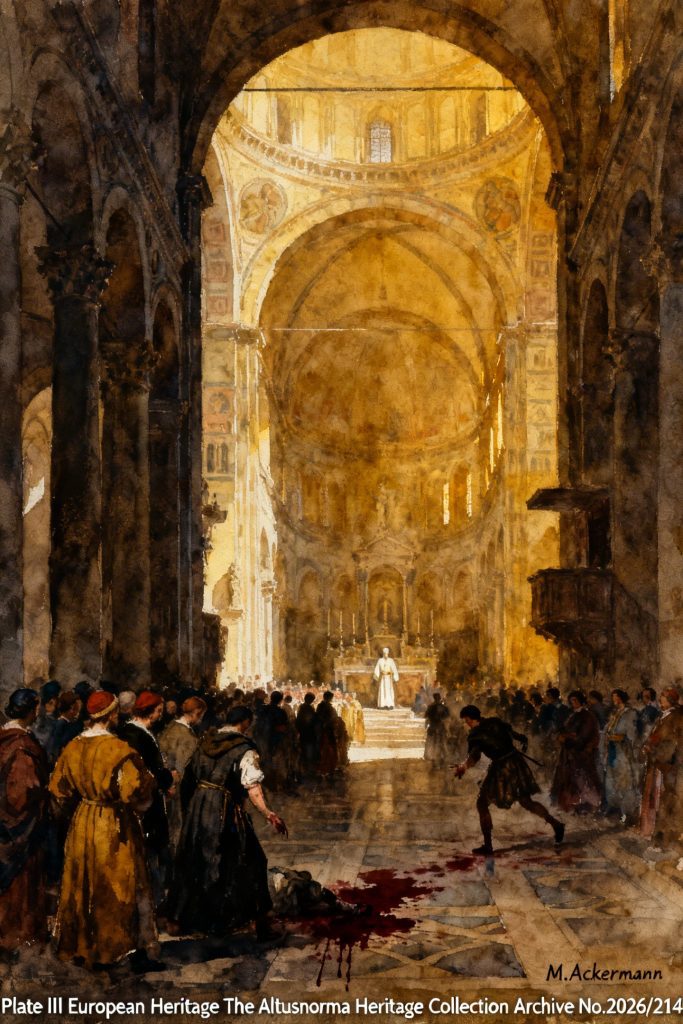
The Pazzi family, once revered for their crusader heritage and immense wealth, became irrevocably synonymous with betrayal on Easter Sunday, April 26, 1478. During High Mass in the hallowed Florence Cathedral, an audacious and meticulously planned plot unfolded. The target was the assassination of Lorenzo and Giuliano de’ Medici, the powerful brothers who, through their banking empire and political acumen, effectively ruled Florence. The Pazzi, bitter rivals to the Medici, orchestrated this conspiracy with the tacit backing of Pope Sixtus IV, aiming to shatter Medici dominance and seize control of the city for themselves.
Notably, the attack was swift and brutal. As the bells of the Duomo tolled, Giuliano de’ Medici was stabbed 19 times at the altar, tragically dying on the cathedral floor. Lorenzo, though gravely wounded, managed to fight off his assailants and escape, barricading himself in the sacristy. Crucially, the conspiracy failed to ignite a popular uprising against the Medici. Instead, the Florentine populace, loyal to Lorenzo, rallied fiercely behind him.
Consequently, they unleashed a swift and brutal retribution against the Pazzi and their co-conspirators. Indeed, Lorenzo’s loyalists executed many on the spot and hung their bodies gruesomely from the windows of the Palazzo della Signoria. Furthermore, the Medici systematically erased their names from public records as a chilling testament to their power.
A Banned Tradition: The Scoppio del Carro Silenced
In the immediate, vengeful aftermath of the Pazzi Conspiracy, the Florentine Republic sought to obliterate all traces of the disgraced family. This punitive measure extended to a ban on the Scoppio del Carro ceremony itself, a tradition so deeply and historically associated with the Pazzi name. From 1478 to 1494, the Republic tragically silenced the spectacular Easter explosion, replacing it with a simpler, less dramatic distribution of the Holy Fire between the Baptistery and the Cathedral. This period marked a somber pause in one of Florence’s most cherished customs.
However, the Florentine people, deeply attached to their beloved spectacle, yearned for its return. They did not wish for the Pazzi family to be honored, but rather for the reinstatement of a cherished communal ritual. Their persistent demands eventually compelled the Signoria to reinstate the ceremony. Albeit under the careful powerful wool merchants’ guild of the Arte di Calimala. This ensured the tradition continued, meticulously omitting any direct mention or association with the Pazzi. It was not until 1494, following the temporary expulsion of the Medici, that the Pazzi family briefly regained their ancient rights to organize the cart. This led to the commissioning of the magnificent, robust structure that remains in use today.
Witnessing the Spectacle Today: Easter Sunday 2026
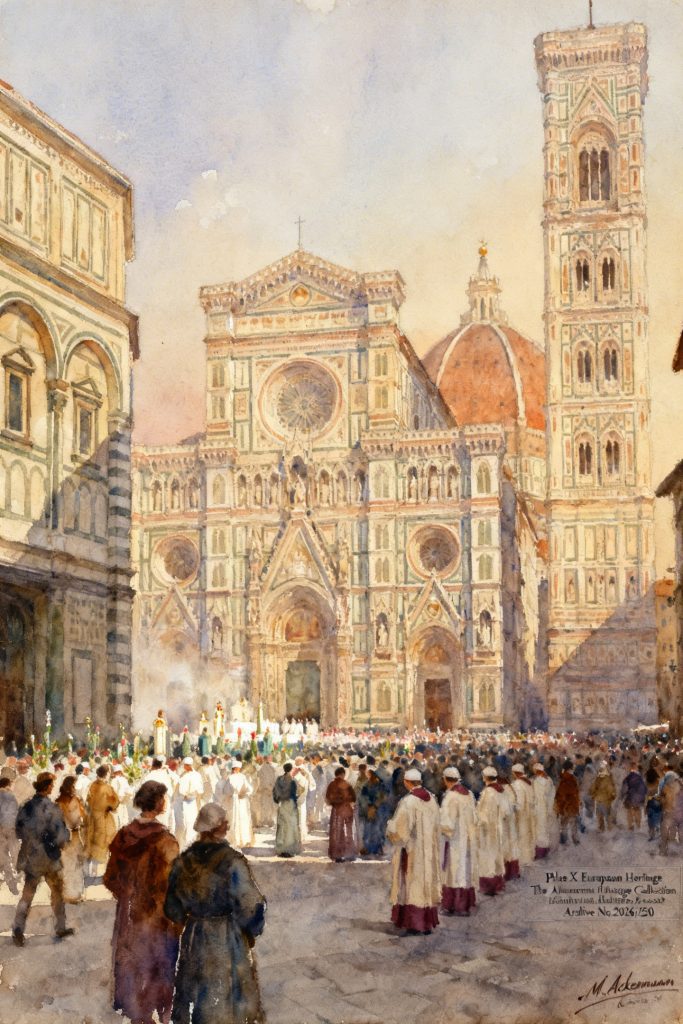
Today, the Scoppio del Carro endures as a vibrant, authentic tradition, largely free from the dark political undertones of its tumultuous past. On Easter Sunday, April 5, 2026, Florence will once again come alive with this fiery ritual, drawing thousands of locals and visitors alike. The day’s events commence early, around 8:15 AM, when the elaborately decorated “Brindellone” (the cart) begins its solemn procession from Porta al Prato. Pulled by two pairs of majestic white oxen adorned with garlands. Meanwhile, the Holy Fire, meticulously lit from Pazzino’s ancient flints at the Church of Santi Apostoli, is carefully carried to the Duomo.
The climax arrives around 11:00 AM. During the Gloria in Excelsis Deo, the Archbishop of Florence ignites the ‘Colombina.’ This mechanical dove slides along a wire from the high altar to the cart. This symbolic dove then gracefully glides down a wire, making its way outside to ignite the cart, which is packed with a dazzling array of fireworks.
The ensuing explosion is a breathtaking spectacle of light and sound, filling the Piazza del Duomo with cheers and awe. If the dove successfully ignites the cart and returns to the altar, it is considered a good omen. Specifically, it predicts a good harvest and prosperity for the coming year. For the heritage traveler, this is an unmissable, deeply immersive cultural experience, connecting them directly to centuries of Florentine tradition.
Tracing the Footsteps of Florence’s History: A Traveler’s Guide
For those captivated by the intertwined histories of the Scoppio del Carro and the Pazzi Conspiracy. Florence offers tangible connections to these dramatic events. Begin your journey at the magnificent Florence Cathedral (Duomo), the very site where the assassination attempt on the Medici brothers unfolded. Stand within its vast interior, imagining the chaos and terror of that fateful Easter Sunday. Next, explore the serene Church of Santi Apostoli, the quiet custodian of Pazzino de’ Pazzi’s crusader flints, a direct link to the ceremony’s ancient origins.
Furthermore, walk past the imposing Palazzo Pazzi, a grand testament to a family whose ambition led to both glory and infamy. While its interior is not always accessible, its exterior facade speaks volumes of their former power. Consider also a visit to the Palazzo della Signoria, where the Pazzi conspirators met their brutal end, their bodies displayed as a warning. These sites collectively allow you to trace the footsteps of history, connecting the ancient ritual with its violent past and the enduring spirit of Florence.
The Scoppio del Carro is far more than just an Easter celebration; it is a living archive of Florence’s complex and dramatic past. It embodies centuries of tradition, unwavering faith, and the intense interplay of power that so vividly defined the Renaissance. For the discerning heritage traveler, witnessing this event offers a profound insight into the very soul of Florence. This city where history is not merely remembered, but vividly re-enacted, year after year. Ultimately, it is an experience that transcends time, inviting you to become a part of its ongoing legacy.
Discover the full story of Florence’s Renaissance legacy, its banking dynasties, in our Complete Florence Guide.
Discover Florence’s Renaissance Heritage
Explore luxury hotels in Florence through our trusted travel partner. Secure exclusive rates on Renaissance palaces and heritage properties. Book now for your Florence Renaissance heritage travel experience.
Disclosure: This article contains affiliate links to select hotels and services. We earn a small commission if you book through our links, at no additional cost to you. All recommendations reflect our genuine expertise and research.