
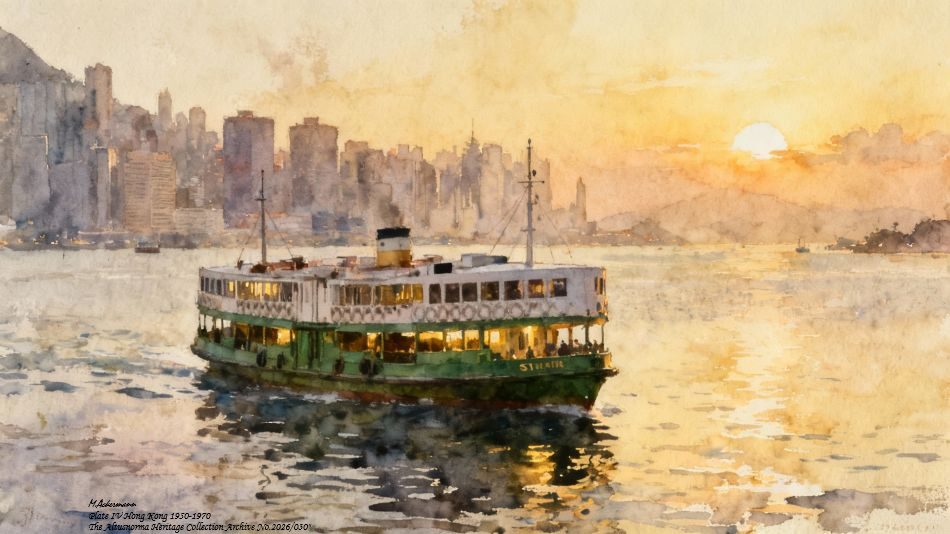
Hong Kong’s post-war decades forged the city we know today. Between the 1950s – 1970s, Hong Kong as a British crown colony transformed from a war-ravaged port into a global financial powerhouse. It was a city of dramatic contrasts – where Rolls Royces glided past rickshaws, where triads controlled entire districts, and where bamboo scaffolding rose beside glass towers. For the heritage traveler, this era offers a compelling narrative of resilience, reinvention, and the birth of a truly unique metropolis.
The Grand Dames: Hong Kong’s Historic Hotels
Hong Kong’s grand hotels were more than places to stay. They stood as sovereign territories of luxury where diplomats brokered deals, film stars escaped the paparazzi, and the world’s elite converged. Staying in these historic hotels not only provides luxurious accommodations but also immerses guests in the rich cultural heritage of Hong Kong. Many of these hotels offer unique dining experiences, spa services, and guided tours that highlight their historical significance.
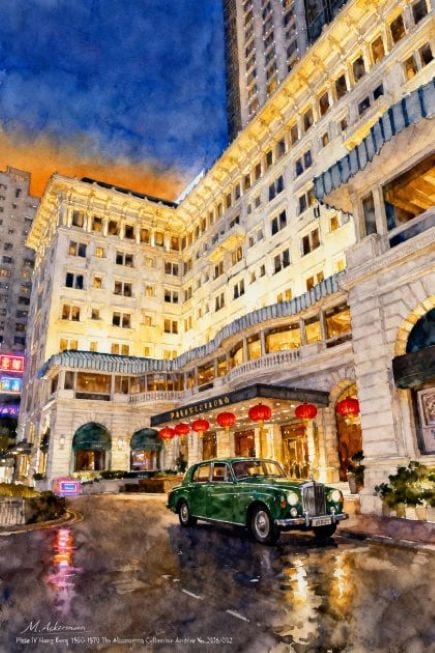
The Peninsula Hong Kong 1928
During this era, the ‘Grande Dame of the Far East‘ cemented its legendary status as the premier destination for global elites. Furthermore, the hotel’s 1953 opening of Gaddi’s introduced French fine dining to the colony, forever altering the city’s culinary landscape, hailed as “the best restaurant east of the Suez.” In 1970, the hotel acquired its signature fleet of Brewster Green Rolls-Royces the largest single order Rolls-Royce had ever received. The guest list reads like a Hollywood hall of fame: Marlon Brando, Elizabeth Taylor, Frank Sinatra, Clark Gable, and Cary Grant all walked through its doors. U.S. Presidents Richard Nixon and Jimmy Carter stayed here, as did Muhammad Ali.
Visit Today: The Peninsula remains Hong Kong’s most iconic hotel. Afternoon tea in the grand lobby is an essential experience. Gaddi’s continues to serve Michelin-starred French cuisine.
The Mandarin Oriental Hong Kong 1963
In contrast to the low-rise colonial skyline, the 27-storey Mandarin Oriental redefined the city’s vertical limits upon its 1963 opening. Consequently, this modern landmark immediately attracted a new generation of sophisticated travelers seeking contemporary luxury. Its Captain’s Bar, with its gentleman’s club ambiance, became a legendary after-work watering hole for the city’s business elite. The hotel attracted royalty and dignitaries, solidifying its reputation as a modern icon of luxury.
Visit Today: Located on the 23rd floor and spanning over 6,200 square feet, The Mandarin Club overlooks Statue Square with sweeping views of Victoria Harbour, offering a spectacular setting for every years Chinese New Years festive fireworks.
The Repulse Bay 1920
For colonial seaside elegance, The Repulse Bay Hotel was the destination of choice. Throughout the 1950s and 60s, it offered a tranquil escape from the bustling city. Ernest Hemingway, Noël Coward, and Marlon Brando all stayed here. Although developers demolished the original structure in 1982, a meticulous reconstruction effort later restored its colonial charm. Today, the building continues to honor its heritage while serving as a vibrant social hub for the South Side.
Visit Today: The Verandah restaurant captures the colonial-era atmosphere with live piano music and stunning views of the South China Sea.
The Regent Hong Kong 1981
Opening at the cusp of the era, The Regent Hong Kong (now the InterContinental, returning to Regent branding in 2023) redefined waterfront luxury. Its massive harbour-facing windows offered breathtaking views of Victoria Harbour. It quickly became a symbol of the city’s growing confidence and international stature.
Visit Today: The hotel offers some of the best harbour views in Hong Kong. The lobby lounge is perfect for watching the Symphony of Lights show.
The Murray Hong Kong 1969
Originally built as a grand government office building, The Murray is a prime example of 1960s colonial architecture. Its distinctive white façade and recessed windows were designed to be energy-efficient in the subtropical climate. In 2018, it was converted into a luxury hotel, preserving its unique architectural heritage.
Visit Today: The Murray offers a rare glimpse into 1960s British colonial architecture. The rooftop bar provides panoramic city views.
Book Your Stay Through Our Partner
The hotel links throughout this guide direct you to official hotel websites for transparency and detailed information. However, we recommend booking through our trusted Asian travel partner to secure the best rates on luxury accommodations. Browse the hotels featured above through our partner link for exclusive deals and seamless booking.
Hong Kong’s Dark Side: Triads, Kowloon Walled City, and the Underbelly
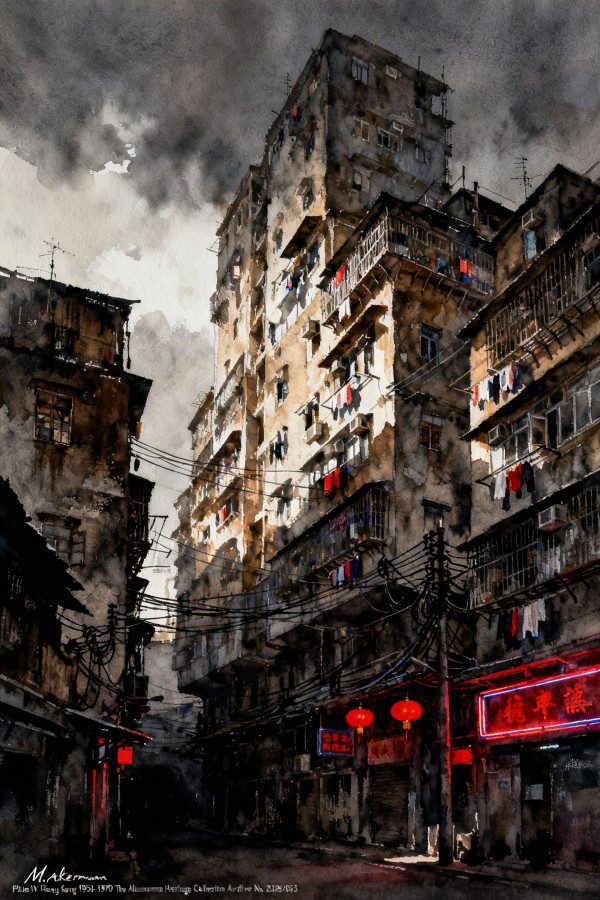
No story of 1950s-70s Hong Kong is complete without its darker chapters. In the 1960s, an estimated 60 triad gangs operated in Hong Kong. Police estimated that one in six residents had some connection to organized crime. These gangs controlled gambling, prostitution, and the drug trade, and their influence extended into the police force itself.
Kowloon Walled City
The most infamous symbol of this era was the extremely densely populated and lawless enclave Kowloon Walled City. A lawless, densely packed enclave, it was a city within a city – controlled by triads, yet home to thousands of families, dentists, doctors, and small businesses. Artists and photographers were drawn to its chaotic, dystopian beauty. Demolished in 1993, it remains a powerful symbol of Hong Kong’s complex past.
Visit Today: The Kowloon Walled City Park now occupies the site. The park includes a museum with photographs and artifacts from the original settlement.
Chungking Mansions 1961
Opened in November 1961, Chungking Mansions was originally a “high-class” residential building for middle-class families. It quickly evolved into a labyrinthine world of budget guesthouses, curry restaurants, and small businesses. Today, it houses people from over 120 nationalities and remains one of Hong Kong’s most fascinating cultural melting pots.
Visit Today: Located on Nathan Road in Tsim Sha Tsui, Chungking Mansions is in one of the busiest districts of Hong Kong; it is surrounded by entrances to the Tsim Sha Tsui station and East Tsim Sha Tsui station of the MTR. Walk through the ground-floor maze of shops and restaurants. The upper floors house budget guesthouses, but the ground floor is safe and endlessly interesting.
The Narrow Streets: Hong Kong’s Ladder Streets
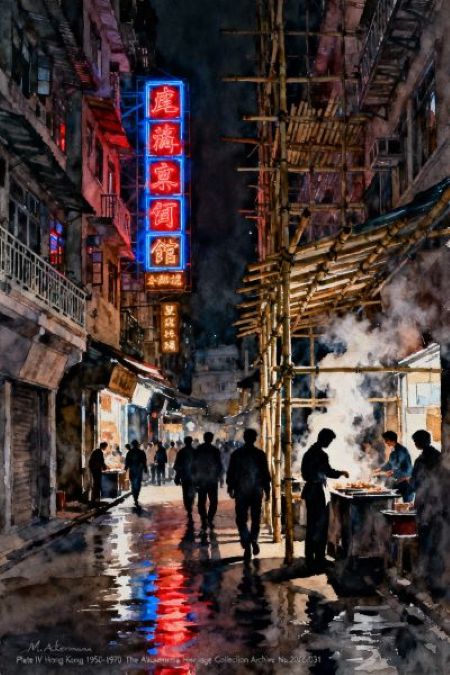
Hong Kong’s famous narrow streets and ladder streets date back to the colonial era. These steep, stepped thoroughfares were built to navigate the island’s dramatic terrain.
Pottinger Street (Stone Slab Street)
Named after Hong Kong’s first governor, Pottinger Street features broad granite steps that have earned it the nickname “Stone Slab Street.” Hawkers line the steps, selling seasonal costumes and trinkets. It remains one of the most photographed streets in Hong Kong.
Ladder Street
One of the oldest streets in Hong Kong, Ladder Street connects Central to the Mid-Levels. Its steep steps offer a glimpse into the city’s colonial past.
Visit Today: Start at Central and walk up through Sheung Wan. The area is packed with antique shops, art galleries, and traditional Chinese medicine stores.
Hollywood Road – The Antique Mile
Hollywood Road winds through Central and Sheung Wan, serving as Hong Kong’s cultural spine since the 1840s. Interestingly, the street earned its name from the holly trees that once lined its path. Subsequently, during the 1950s-1970s, the thoroughfare transformed into the city’s premier antique district, successfully attracting collectors and dealers from across Asia.
The narrow thoroughfare is lined with traditional Chinese architecture – low-rise shophouses with ornate wooden shutters and weathered facades. Antique shops, art galleries, and traditional stores cluster together, creating a living museum of Hong Kong’s colonial heritage. The street remains largely unchanged from the 1960s, with many buildings dating back to the early colonial period.
Visit Today: Walk the entire length of Hollywood Road from Central to Sheung Wan (approximately 1.5 km). Stop at the historic temples, browse independent galleries, and explore the side alleys where traditional craftsmen still work. The street is best explored on foot, allowing you to discover hidden courtyards and heritage buildings tucked between modern structures.
The Culinary Journey: Hong Kong’s Street Food & Fine Dining
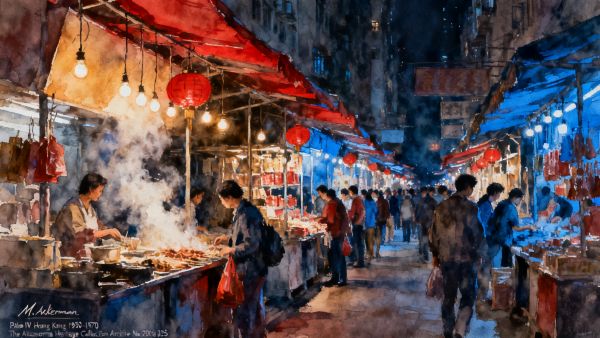
Hong Kong’s culinary scene was as diverse as its population. In the 1950s, facing the economic downturn the 1950s the birth of many dishes and dining traditions that remain beloved today. Hong Kong street food was ranked the first in the top 10 street-food cities in 2013.
Temple Street Night Market: Established in the 1920s, it became a bustling flea market in the 1950s and 60s. Today, it remains famous for its street food, fortune tellers, and Cantonese opera singers.
Cart Noodles: A beloved street food that originated in the 1950s. Customers customize their noodle bowls with a variety of toppings and broths.
Hong Kong’s Colonial-Era Dining
Jimmy’s Kitchen (1928)
One of Hong Kong’s oldest restaurants, Jimmy’s Kitchen has served classic British and international dishes like Baked Alaska and Steak Diane for nearly a century. It remains a beloved institution.
Ned Kelly’s Last Stand (1972)
Hong Kong’s oldest jazz pub, this Tsim Sha Tsui institution features live jazz every night. Named after Australia’s famous outlaw, it offers a unique blend of Aussie spirit and Hong Kong history.
The Better Ole (1947)
The oldest British-style pub in Hong Kong, located in Fanling in the New Territories. A true time capsule of colonial Hong Kong.
Hong Kong’s Fine Dining Institutions
Gaddi’s (The Peninsula, 1953)
The city’s first fine-dining French restaurant. A symbol of culinary excellence for over 70 years.
La Taverna (1969)
Hong Kong’s first Italian restaurant, opened by two Milanese brothers. The Tsim Sha Tsui location dates to 1973.
Historic Attractions & Transportation
The Peak Tram (1888)
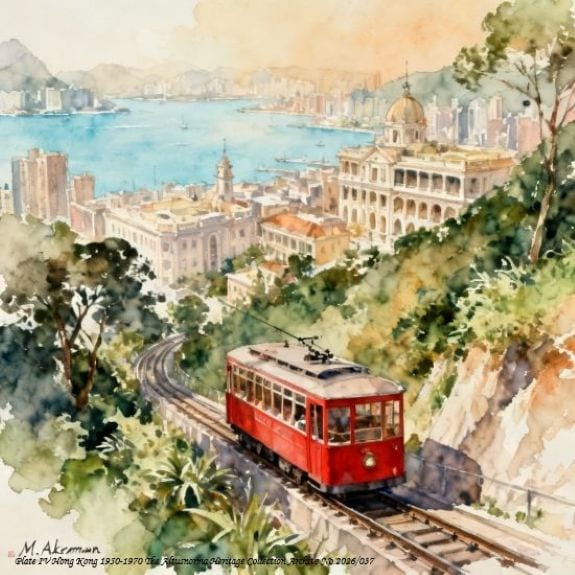
Asia’s first funicular railway has carried passengers up Victoria Peak since 1888. Originally reserved for colonial officials and Peak residents, it became a beloved attraction for all. The steep ascent offers breath-taking views of the city and harbour.
Visit Today: The tram underwent a major upgrade in 2022. The new carriages offer improved views and comfort.
The Star Ferry (1888)
Since 1888, the iconic green and white Star Ferry boats have crossed Victoria Harbour as an enduring symbol of the city. Moreover, these historic vessels continue to offer the most authentic and scenic perspective of the skyline today.
Visit Today: The crossing takes just 10 minutes and costs a few Hong Kong dollars. It remains one of the best ways to experience the harbour.
Kai Tak Airport (1925-1998)
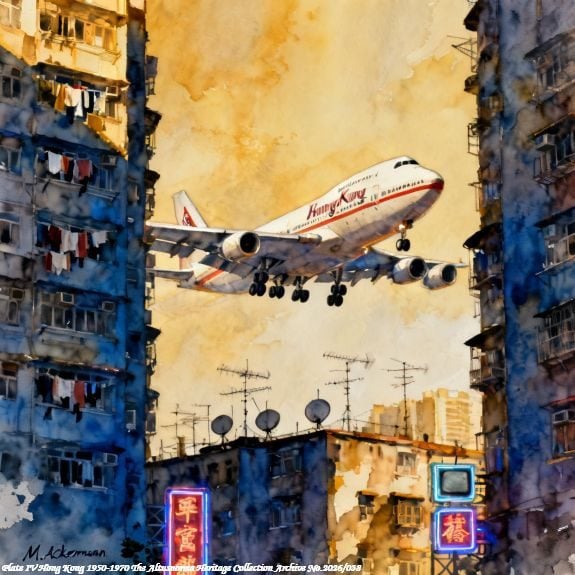
Historically, the old Kai Tak Airport earned international infamy for its hair-raising landings. Specifically, pilots threaded massive aircraft between dense apartment buildings before finally touching down on a runway that jutted into the harbour. Although the facility closed in 1998, the memory of those dramatic approaches lives on in the city’s collective identity.
Visit Today: The Kai Tak area has been redeveloped, but aviation enthusiasts can visit the Kai Tak Cruise Terminal and explore the area’s history.
Discover Hong Kong’s Experiences Through Our Partner
For curated activities, cultural tours, and dining experiences in Hong Kong, we recommend browsing through our trusted Asian travel partner. Discover heritage tours, traditional cooking classes, and premium dining reservations with exclusive rates.
The Silver Screen: Hong Kong’s Cinematic Golden Age
Broadly speaking, the 1960s and 70s represented the golden age of Hong Kong cinema. During this time, the Shaw Brothers Studio produced a prolific number of wuxia (martial arts) films that eventually gained international acclaim. Simultaneously, the era witnessed the meteoric rise of Bruce Lee, whose films like Fist of Fury (1972) and Enter the Dragon (1973) transformed him into a global superstar. Ultimately, his enduring legacy established Hong Kong as the undisputed martial arts film capital of the world.
Tsim Sha Tsui Promenade & Avenue of Stars
The Tsim Sha Tsui Promenade offers stunning views of the Hong Kong Island skyline. The Avenue of Stars, added in 2004 and renovated in 2019, pays tribute to the city’s vibrant film industry with statues and handprints of Hong Kong’s greatest stars, including Bruce Lee.
Visit Today: Walk the promenade at sunset. The Symphony of Lights show illuminates the skyline every evening at 8pm.
The Hong Kong Museum of History
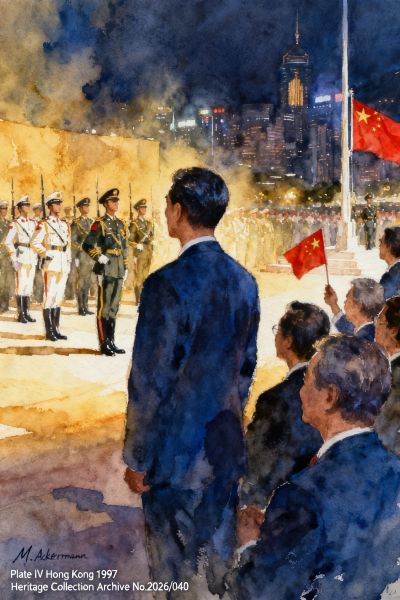
For a deeper dive into this fascinating era, the Hong Kong Museum of History is essential. Its permanent exhibition, “The Hong Kong Story,” vividly portrays the city’s history from prehistoric origins to the 1997 handover, with detailed exhibits on the 1950s-70s.
Visit Today: The museum is located in Tsim Sha Tsui, near the Science Museum. Allow at least 2-3 hours to explore.
The Legacy of an Era
The Hong Kong of the 1950s to 1970s was a city in constant motion. It was an era that shaped the city’s unique identity a fusion of Eastern and Western cultures, of immense wealth and desperate poverty, of colonial rule and Chinese tradition. The grand hotels, the narrow streets, the jazz bars, and the floating restaurants all tell the story of a city that reinvented itself against the odds.
For the heritage traveler, exploring the remnants of this period offers a captivating glimpse into the soul of one of the world’s most dynamic cities. The past is not just preserved here—it is woven into the fabric of daily life, waiting to be rediscovered.
Disclosure: This article contains affiliate links to select hotels and services. We earn a small commission if you book through our links, at no additional cost to you. All recommendations reflect our genuine expertise and research.