
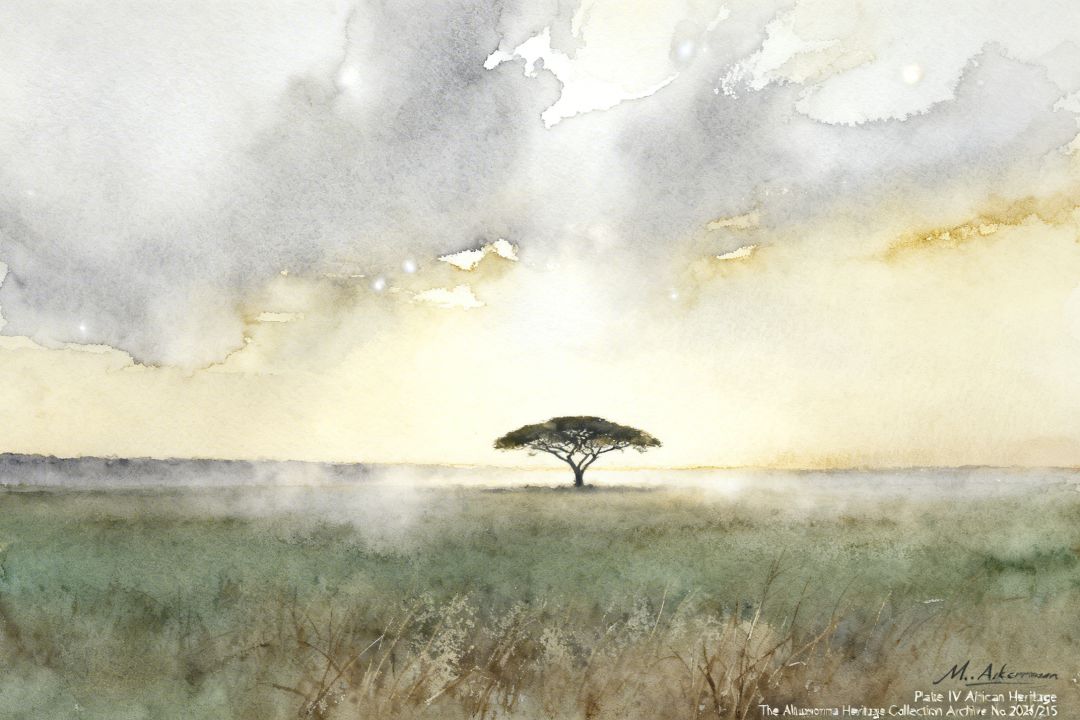
Kenya’s Golden Age of Safari
This historic land was once the playground of the world’s most adventurous travelers. It was a land of endless savannas, majestic wildlife, and untamed wilderness. However, beneath the romance of the safari lay a complex history of colonialism, royal intrigue, and the transformation from hunting grounds to conservation sanctuaries. Nevertheless today, Kenya stands as a beacon for heritage travel, travelers seeking to understand the intersection of luxury, adventure, and environmental stewardship. This is the ultimate guide to uncovering the voices of the coutries most transformative era – from Princess Elizabeth royal luxury safari of 1952 to the conservation revolution that defines the Kenya’s modern wilderness, from the Masai Mara to Mombasas untouched coastlines to the busy business districts of Nairobi.
The Royal Safari of Princess Elizabeth: A Transformative Journey
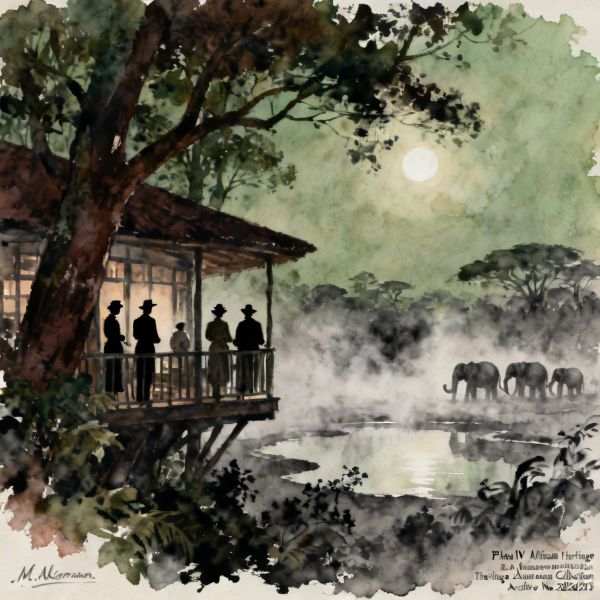
In February 1952, a young Princess Elizabeth arrived in Kenya for what was intended to be a routine royal tour. Nevertheless, her journey would become one of the most pivotal moments in modern history. While staying at Treetops Hotel in the Aberdare National Park, she received sad news of her father’s death. As a result, she would leave Kenya as a Queen. The moment transformed the luxury safari experience from a colonial hunting expedition into a symbol of royal duty and transformation.
However, Princess Elizabeth’s safari was not merely a leisure activity. Instead, it represented the final chapter of the old colonial order and the beginning of a new era. She hunted alongside the most elite guides of the era, experienced the raw power of African wildlife, and witnessed the majesty of the Kenyan wilderness. Afterward, her time in the East African nation became legendary among safari enthusiasts and royal historians alike. The Treetops Hotel, where she spent that fateful night, remains one of the most iconic safari lodges in the world. For heritage travelers, retracing the steps of this royal journey offers a profound connection to a pivotal moment in both British and Kenyan history.
Hemingway and the Myth of the African Hunter
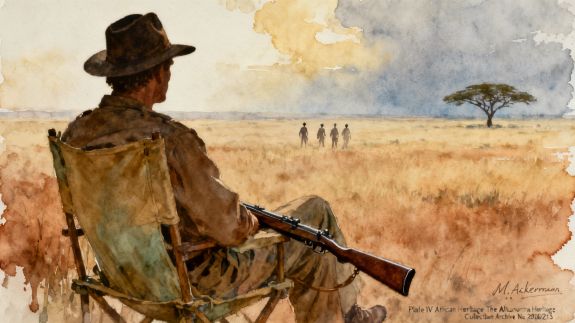
Ernest Hemingway’s relationship with Kenya was one of the most romanticized in literary history. The author visited the country multiple times, hunting big game and soaking in the raw, untamed landscape. His experiences in Africa profoundly shaped his writing and his worldview. Meanwhile, Hemingway saw the safari not as a sport, but as a test of character – also a confrontation between man and nature that revealed the deepest truths about human existence.
Hemingway’s legacy is preserved through the Hemingways Hotel Nairobi, a legendary luxury establishment that captures the essence of the author’s era. The hotel serves as a gateway to understanding the literary and cultural history of Kenya’s past. For heritage travelers, staying at Hemingways Nairobi is not merely accommodation; instead, it is an immersion into the world that inspired one of literature’s greatest writers. In addition, the hotel’s curated collections, vintage photographs, and carefully preserved artifacts transport guests directly into the 1950s safari experience.
Kenya’s Maasai Mara: Where Wilderness Meets Luxury
Furthermore the Maasai Mara National Reserve represents the pinnacle of safari heritage in Kenya. This vast expanse of golden grassland, acacia forests, and river valleys has captivated explorers, hunters, and conservationists for over a century. Maasai Mara is not merely a wildlife reserve; instead, it is a living museum of African ecology and Maasai culture. The annual wildebeest migration – one of nature’s most spectacular events – transforms the landscape into a theatre of survival and adaptation.
Modern luxury lodges like Kempinski Masai Mara as well as Angama Mara have revolutionized the safari experience without compromising the wilderness. These establishments blend colonial elegance with contemporary comfort. They offer heritage travelers the opportunity to experience the raw power of the African landscape while maintaining the standards of luxury hospitality. Also the lodges are strategically positioned to offer unobstructed views of the Maasai Mara’s most iconic vistas. They provide access to expert guides who understand both the ecological and historical dimensions of the region.
Book Your Stay Through Our Partner
The hotel links throughout this guide direct you to official hotel websites for transparency and detailed information. However, we recommend booking through our trusted travel partner to secure the best rates on luxury accommodations. Browse the hotels featured above through our partner link for exclusive deals and seamless booking.
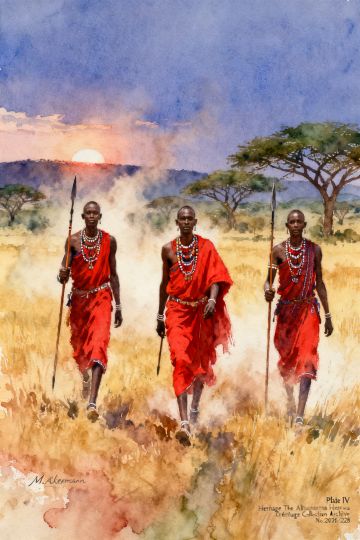
The Maasai Mara Experience: The first moment you arrive, the landscape speaks. The vast plains stretch endlessly toward the horizon. The acacia trees dot the savanna like sentinels. The wildlife moves with ancient rhythms unchanged for millennia. A safari in the Maasai Mara is not a passive observation; instead, it is an active engagement with one of Earth’s most pristine ecosystems. Expert guides, many with decades of experience, reveal the intricate relationships between predator and prey, between the land and its inhabitants. This is, indeed, heritage travel at its most profound.
From Hunting to Conservation: Kenya’s Transformation
The history of safari in Kenya is inseparable from the history of conservation. First, in the early colonial era, hunting was the primary activity. Wealthy Europeans and Americans traveled to the country to pursue big game – lions, elephants, rhinos, and buffalo. By the mid-20th century, the ecological impact of unrestricted hunting became undeniable. Because of this, wildlife populations plummeted. Entire species faced extinction. Consequently, the country pioneered a revolutionary shift: from hunting reserves to protected national parks today.
Meanwhile this transformation was not merely ecological; instead, it was philosophical. Later as a result, it represented a fundamental shift in how humans understood their relationship with nature. Consequently, the safari evolved from a conquest narrative into a conservation narrative. Today, modern luxery safari lodges like Angama Mara and Kempinski Masai Mara are actively engaged in wildlife protection, community development, and environmental stewardship. They employ local guides, support conservation initiatives, and educate visitors about the delicate balance of African ecosystems. For heritage travelers, participating in a modern safari is an act of conservation – your presence directly supports the protection of the most precious landscapes.
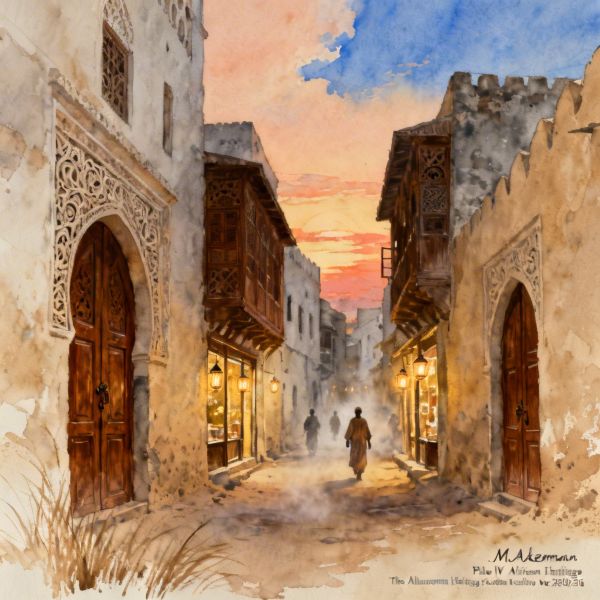
Mombasa: The Coastal Gateway to Colonial Heritage
While the Maasai Mara dominates the safari narrative, Mombasa represents an equally crucial dimension of Kenya’s heritage. This ancient coastal city has been a crossroads of trade, culture, and power for over a thousand years. The Portuguese, the Omanis, the British – all left their imprint on Mombasa’s architecture, culture, and identity. Fort Jesus, the iconic 16th-century Portuguese fortress, stands as a testament to the city’s strategic importance and turbulent history.
Because of this, Mombasa’s Old Town is a labyrinth of narrow streets, ornate wooden doors, and Swahili architecture that transports visitors directly into centuries past. In addition., the dhow harbor, where traditional sailing vessels still operate, connects modern travelers to the maritime heritage that built this city. Consequently, Mombasa offers heritage travelers a different dimension of the country – not the wilderness of the Mara, but the cosmopolitan complexity of a historic trading port. The city’s luxury hotels, including the iconic properties like Sentrim Castle Royal Hotel, blend contemporary comfort with historical authenticity, allowing visitors to experience Mombasa’s rich cultural tapestry and coastal experience.
The Luxury Safari Experience: Where Comfort Meets Wilderness
Modern luxury safari lodges have transformed the experience without compromising authenticity. Kempinski Masai Mara, Angama Mara, Hemingways Nairobi, and select Fairmont properties represent the pinnacle of safari hospitality. These establishments combine the elegance of colonial-era design with contemporary amenities. They offer gourmet dining experiences that celebrate traditional and international cuisines. They provide expert naturalists and guides who transform wildlife viewing into an educational and emotional journey.
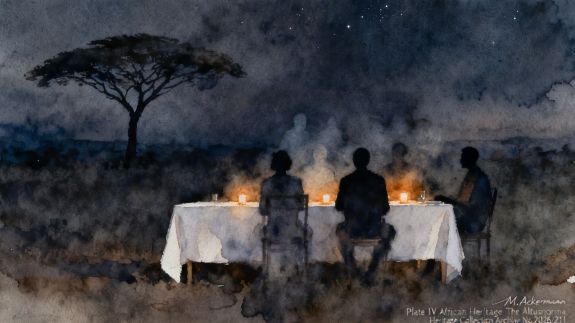
Dining experience in Kenya’s luxury safari lodges deserves particular attention. Bush dinners under the stars, traditional Maasai ceremonies, and innovative culinary presentations transform meals into cultural events. These experiences are not mere entertainment; instead, they are profound engagements with the countries diverse heritage. For heritage travelers seeking to understand Kenya through all sensory dimensions – sight, sound, taste, and touch – the luxury safari lodge experience is unparalleled.
The Bush Dinner Ritual: As the sun descends below the acacia trees, the lodge staff arranges tables beneath the stars. Torches flicker in the darkness. The sounds of the African night – distant lion roars, the calls of nocturnal birds – provide the soundtrack. The meal unfolds slowly, deliberately, allowing guests to savor not just the food, but the entire sensory experience. Ultimately this is heritage dining at its most authentic and transformative.
The Voices of Kenya: Stories of Guides, Trackers, and Conservationists
Behind every successful safari experience stands a guide – a person whose knowledge, patience, and passion bring the wilderness to life. These guides are the true keepers of Kenya’s heritage. Many come from Maasai communities with generations of knowledge about the land, the animals, and the seasonal rhythms of the savanna. As a result, their stories connect visitors to the deep history of their community and the country, revealing dimensions of the landscape that remain invisible to untrained eyes.
Furthermore, conservation efforts in Kenya have also produced remarkable voices – scientists, rangers, and community leaders dedicated to protecting the nation’s wildlife and ecosystems. These individuals are rewriting the narrative of the future. They are proving that conservation and community development are not opposing forces; instead, they are complementary paths toward sustainable prosperity. For heritage travelers, engaging with these voices – listening to their stories, understanding their challenges, and supporting their work – transforms the luxery safari from a passive observation into an active participation in the countries ongoing transformation.
Book Your Stay Through Our Partner
The hotel links throughout this guide direct you to official hotel websites for transparency and detailed information. However, we recommend booking through our trusted travel partner to secure the best rates on luxury accommodations. Browse the hotels featured above through our partner link for exclusive deals and seamless booking.
Planning Your Heritage Safari: Practical Guidance
A heritage travel and luxury safari in East Africa requires thoughtful planning. The best time to visit depends on your priorities. The dry seasons (January-February and June-October) offer optimal wildlife viewing, as animals congregate around water sources. However, the rainy seasons bring lush landscapes and fewer tourists. The choice depends on whether you prioritize wildlife density or solitude.
Booking through established luxury safari operators ensures access to the finest lodges and most experienced guides. Many operators now offer curated heritage experiences that combine wildlife viewing with cultural immersion, historical site visits, and conservation education. To truly enrich your journey for example, consider including visits to community conservancies and locally led cultural initiatives, where your presence directly supports sustainable development and heritage preservation. Engaging with Maasai or Swahili traditions through respectful, guided encounters adds meaningful context to the landscapes and wildlife you experience.
Therefore, these comprehensive packages transform a luxury safari from a vacation into a transformative journey of discovery. For heritage travelers seeking to understand the complex past and promising future, a thoughtfully planned luxury safari offers unparalleled opportunities for connection, learning, and personal growth.
Nairobi: The Pulse of East Africa
While the savanna offers timeless silence, in contrast Nairobi provides the rhythmic heartbeat of a nation in motion. The capital is not merely a transit point; instead, it is a sophisticated metropolis where the heritage of the past meets the ambition of the future. The Central Business District (CBD) stands as a testament to this evolution, with its soaring skylines and bustling streets reflecting the city’s status as a global hub for commerce, technology, and diplomacy. Meanwhile for the heritage traveler, Nairobi’s urban landscape reveals the complex narrative of a post-colonial city redefining itself through innovation and luxury.
The city’s luxury hospitality scene is anchored by iconic establishments that have witnessed the nation’s history unfold. Villa Rosa Kempinski offers a blend of European elegance and local warmth, serving as a preferred sanctuary for global leaders and VIP delegations. Nearby, the Fairmont The Norfolk remains a living landmark, having hosted everyone from Theodore Roosevelt to modern-day explorers since its opening in 1904. For those seeking a more contemporary narrative, the Sankara Nairobi in Westlands provides a sophisticated lens into the city’s modern art and culinary scene. These hotels are not just places to stay; they are the gateways to understanding the cosmopolitan soul of the East African region.
Moreover, as the newest addition to Nairobi’s leading luxury hotels, the JW Marriott Nairobi enjoys a prime location on Chiromo Lane, directly next to the Kempinski, and offers 315 elegant guest rooms, 51 serviced apartments, and also exceptional event and business facilities.
Book Your Stay Through Our Partner
The hotel links throughout this guide direct you to official hotel websites for transparency and detailed information. However, we recommend booking through our trusted travel partner to secure the best rates on luxury accommodations. Browse the hotels featured above through our partner link for exclusive deals and seamless booking.
The Enduring Legacy: Kenya’s Gift to the World
Nevertheless, Kenya’s safari heritage represents more than a tourist experience. In fact, it embodies a fundamental truth about human connection to nature. From the royal safari of Princess Elizabeth to the conservation efforts of modern scientists, in fact Kenya’s story is one of transformation, learning, and adaptation. The landscape itself – the Maasai Mara, the coastal elegance of Mombasa, the literary legacy of Hemingway – speaks to something deep within the human spirit.
Consequently, for heritage travelers, the country offers the opportunity to walk in the footsteps of history while actively participating in its future. Most importantly, every safari dollar spent supports conservation efforts, community development, and the preservation of one of Earth’s most precious ecosystems. Today, luxury travel carries purpose. Heritage exploration now creates real impact. This is the enduring legacy of Kenya’s golden age of safari – above all, a legacy that continues to unfold with every sunrise over the Maasai Mara.
Disclosure: This article contains affiliate links to select hotels and services. We earn a small commission if you book through our links, at no additional cost to you. All recommendations reflect our genuine expertise and research.