
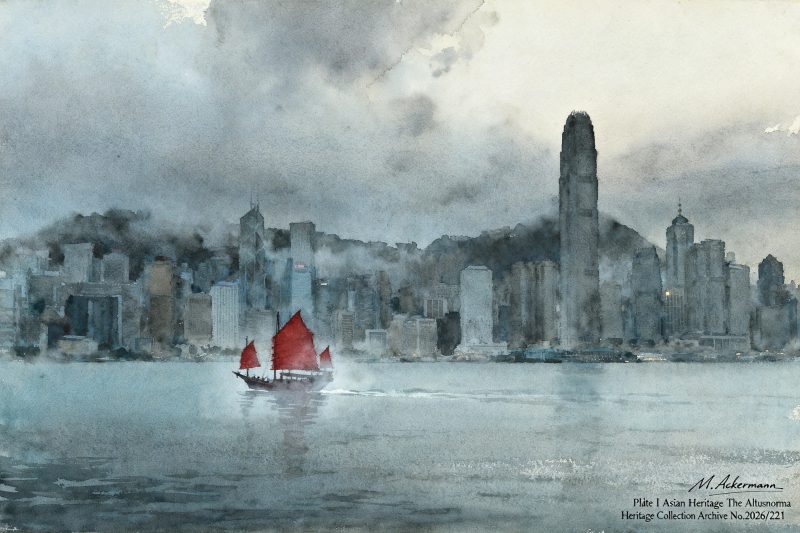
Royal Handover: The Most Unusual Story of Hong Kong 1997
The Midnight Transfer of Power That Changed Asia
The handover of Hong Kong 1997 marked a pivotal moment in modern history. This unprecedented transition from British to Chinese sovereignty required a careful choreography. Because the atmosphere remained emotionally charged, the midnight ceremony on July 1st became a global historical life spectacle. While millions watched as the Union Jack was lowered, the red Chinese flag was simultaneously raised. Thus, an era ended and a new chapter began, it represented far more than a simple transfer of territory. Ultimately, it symbolized the end of Western colonial dominance in Asia while embodying the aspirations of a nation reclaiming its heritage. Furthermore, it demonstrated the complexities of modern geopolitics in a rapidly changing world.
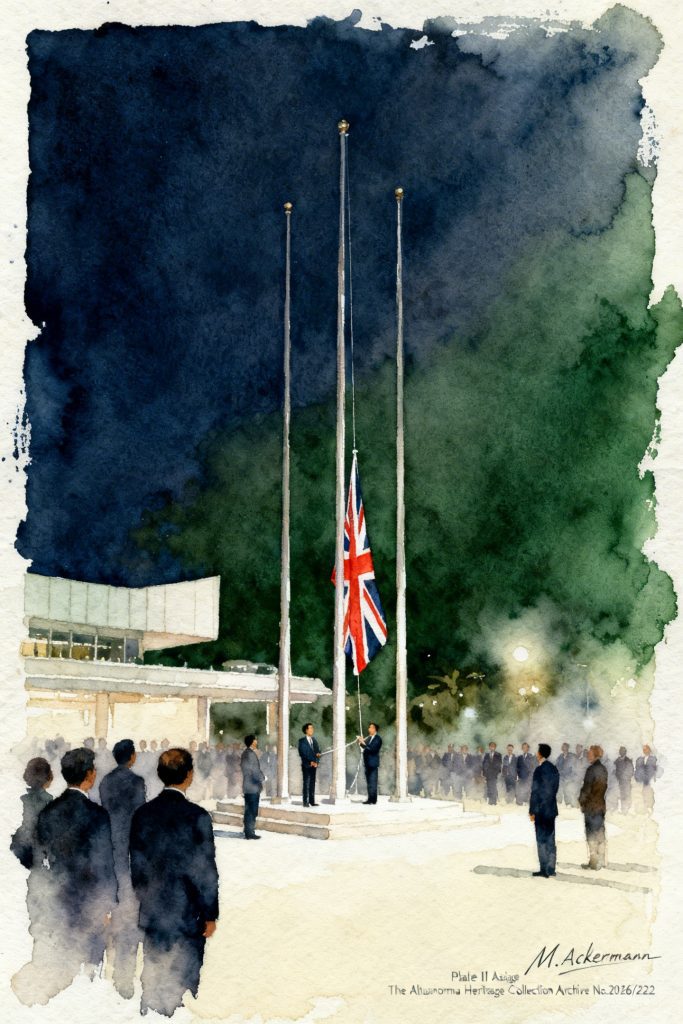
The Countdown to Midnight: Hong Kong 1997 Preparations
Initially, the handover of Hong Kong 1997 was meticulously planned. Negotiations had begun decades earlier, leading to the Sino-British Joint Declaration in 1984, a landmark in British history. As a result, this agreement established the framework for the handover, yet uncertainty gripped the territory. Although business leaders questioned the future, residents debated their options with intense passion. While some emigrated, others remained, hopeful yet cautious about the impending change. Meanwhile, the British government worked to ensure a smooth transition as Chinese officials prepared to assume control. Simultaneously, international observers monitored developments closely to safeguard global interests.
In the years preceding Hong Kong 1997 handover, the city experienced profound transformation. Infrastructure projects were accelerated, in addition the new airport was constructed. Besides the harbor tunnel was completed and consequently these developments symbolized continuity and a constant stable progress. Governor Chris Patten arrived in 1992 with a mandate to democratize governance. Therefore, his tenure was controversial. Beijing viewed his reforms with suspicion. Yet his efforts represented a final push toward greater freedoms before the handover.
The final months before the official handover of Hong Kong were marked by heightened emotion. Nevertheless farewell ceremonies were organized. Moreover, cultural institutions prepared exhibitions commemorating the colonial era. The Hang Seng Index stock market fluctuated wildly and nervous and on the other hand property prices soared. For this reason, investors hedged their bets. The psychological weight of the approaching date was felt throughout society. Schools taught students about the handover. Families discussed what it would mean for their futures. For this reason the entire territory seemed suspended between two worlds.
The Ceremony: Hong Kong 1997 at the Convention Centre
Passing responsibility commanded global attention as the handover ceremony unfolded with breathtaking precision. Specifically, this historic event transformed the Hong Kong Convention and Exhibition Centre into a legendary stage for history. Although world-class dignitaries attended, Prince Charles and President Jiang Zemin dominated the transition. Because the ceremony reached billions through global broadcasts, the world witnessed this unusual story of power firsthand. Furthermore, the operational handover symbolism carried immense, extraordinary meaning in every deliberate gesture. Whether officials lowered the British Union Jack or raised the red Chinese flag, these actions encapsulated the profound transition that Hong Kong 1997 represented to the entire world.
Furthermore, the ceremony incorporated elements of both cultures. British military traditions were honored. Chinese customs were celebrated. The event lasted several hours. Speeches were delivered and performances were presented. The atmosphere was solemn yet hopeful. As midnight approached, anticipation mounted. When the clock struck twelve, the handover became official. Hong Kong 1997 transitioned from colonial possession to Chinese sovereignty. The crowd erupted. Afterwards fireworks illuminated the harbor. The moment was both triumphant and bittersweet.
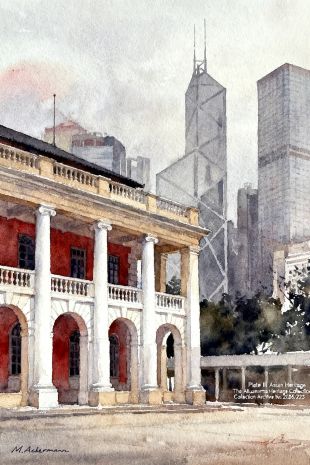
One Country, Two Systems: The Promise of Hong Kong 1997
The agreement for the handover established a unique framework. Hong Kong was to operate under the “One Country, Two Systems.” This principle promised Hong Kong autonomy. Therefore, the capitalist system would be preserved. Democratic freedoms would be protected. The arrangement was intended to last fifty years. This guarantee provided reassurance to residents and investors. However, implementation proved complex. The relationship between Hong Kong and Beijing evolved continuously. Tensions emerged over governance. Debates intensified regarding autonomy. The promise of Hong Kong 1997 was tested repeatedly in subsequent years until today.
Despite challenges, the handover itself was orderly. In summary, transition of power was peaceful. No violence occurred. The military remained disciplined. Civil society adapted. Afterwards, business continued as usual. Success of Hong Kong 1997 as a transfer of sovereignty demonstrated that such transitions could occur without chaos. International observers praised the professionalism displayed. The handover became a model for how complex political transitions might be managed. Yet questions persisted about the long-term implications. Would the promises made in 1997 be honored? Would Hong Kong’s unique character be preserved? These questions would occupy analysts and residents for decades and even until today.
The Legacy of Hong Kong 1997: A Turning Point in Asian History
To summarize, Hong Kong 1997 remains a defining moment in contemporary history. Overall, the transfer symbolized the end of an historical era and marked the beginning of a new relationship between The Peoples Republic of China and the world. The event influenced regional politics and in addition, affected international relations. It shaped economic developments across Asia. The unusual historical story of Hong Kong in 1997 continues to resonate and also reminds us of the complexities of sovereignty. Furthermore, it demonstrates the importance of careful negotiation and therefore illustrates how history unfolds at critical junctures.
Today, Hong Kong 1997 is remembered as a watershed moment. The transition ceremony is studied in schools. Documentaries examine its significance and historians debate its implications. The event transcended mere political transition. It represented cultural identity and national heritage. It embodied national aspirations and it reflected global power dynamics. Understanding Hong Kong 1997 requires appreciating these multiple dimensions. It was not simply an administrative change, consequently it was a profound transformation that continues to shape Hong Kong’s trajectory and its relationship with People’s Republic of China.
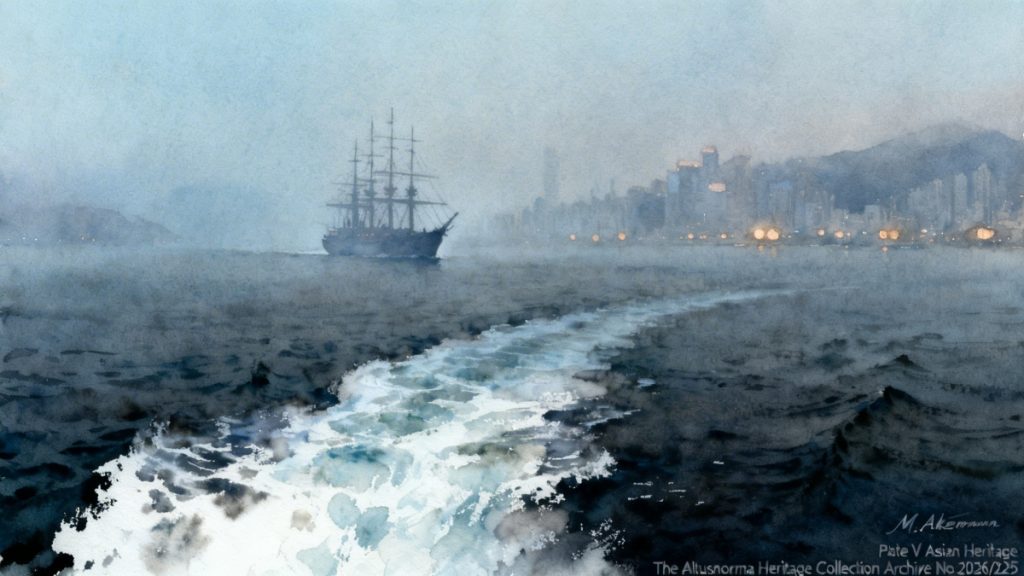
Experience Hong Kong’s Heritage Today
Visitors to Hong Kong in this days, can explore the legacy of Hong Kong’s history first-hand. The Convention Centre where the handover occurred is open to the public for visits. Museums document the transition period and historic sites preserve memories of the colonial era. The Star Ferry continues its iconic journey across the harbor and Victoria Peak offers panoramic views of the transformed skyline from the city. Walking through Hong Kong today, one encounters layers of history. The British colonial architecture stands alongside modern Chinese developments. The contrast reflects the unique character that Hong Kong 1997 helped define. Experiencing these spaces provides insight into how Hong Kong in 1997 transformed not just governance but the entire fabric of society.
Furthermore, our detailed exploration of Hong Kong’s colonial heritage offers deeper perspectives on the city’s early evolution. You can also trace the mid-century transformation in our 1960s Hong Kong retrospective. In addition learn more about Hong Kong history and also about the heritage Grand Hotels attached to that time.
Continue Exploring
This article is part of the full heritage guide. Discover the complete story – luxury hotels, hidden history, and travel recommendations.
→ Bangkok’s Forbidden Wild 1960s
→ Hong Kong’s Forgotten 1950-1970
→ Berlin’s 1920s Golden Twenties
→ Explore all Asian Heritage and Travel Articles in our archive
Discover Hong Kong’s Experiences Through Our Partner
For curated activities, heritage tours, and cultural experiences in Hong Kong, we recommend browsing through our trusted Asian travel partner. Discover handover history tours, colonial heritage walks, and premium dining experiences with exclusive rates.
Disclosure: This article contains affiliate links to select hotels and services. We earn a small commission if you book through our links, at no additional cost to you. All recommendations reflect our genuine expertise and research.
Comments
One response to “Royal Handover: The Most Unusual Story of Hong Kong 1997”
[…] The Legacy of an Era […]