
Peaky Blinders: Violent Gangs and Hidden Secrets of Birmingham
The global fascination with the Peaky Blinders has painted a stylized portrait of early twentieth-century England and especially Birmingham. This modern myth transforms brutal street thugs into anti-heroic cultural icons. However, the true history of the gang reveals a far more complex reality. They emerged from severe economic hardship in the late nineteenth century, First marked the end of the “Victorian era“, followed by the “Edwardian era” and later commonly extended to the start of the First World War in 1914.
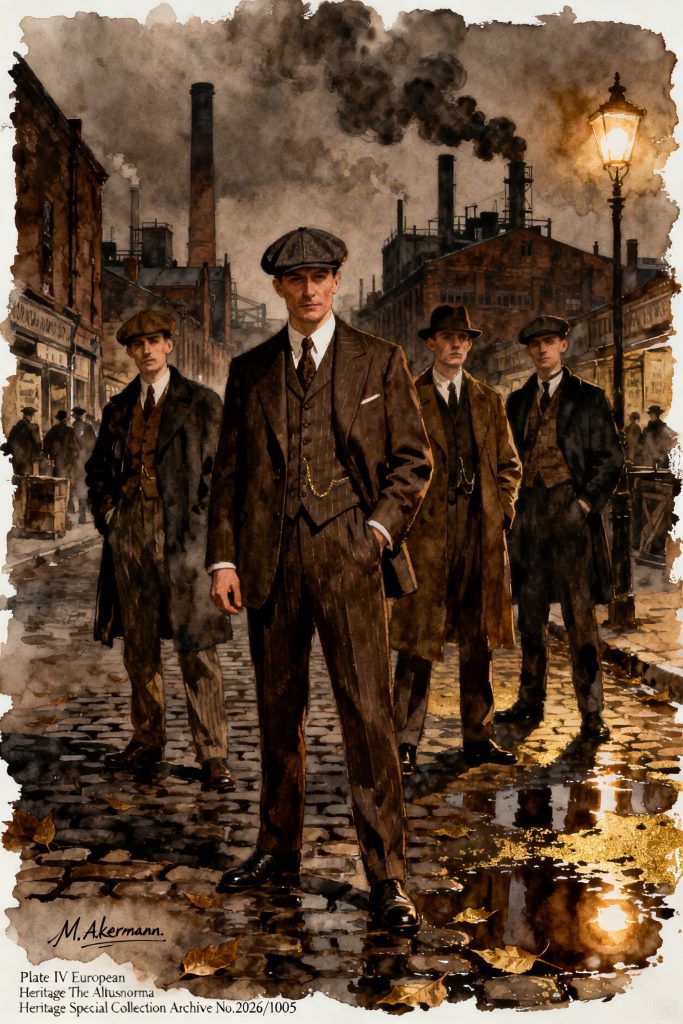
In fact, the actual gang members were not the sharply dressed masterminds depicted on television. Instead, they represented a desperate youth subculture. These working-class men sought control through intimidation and petty crime.
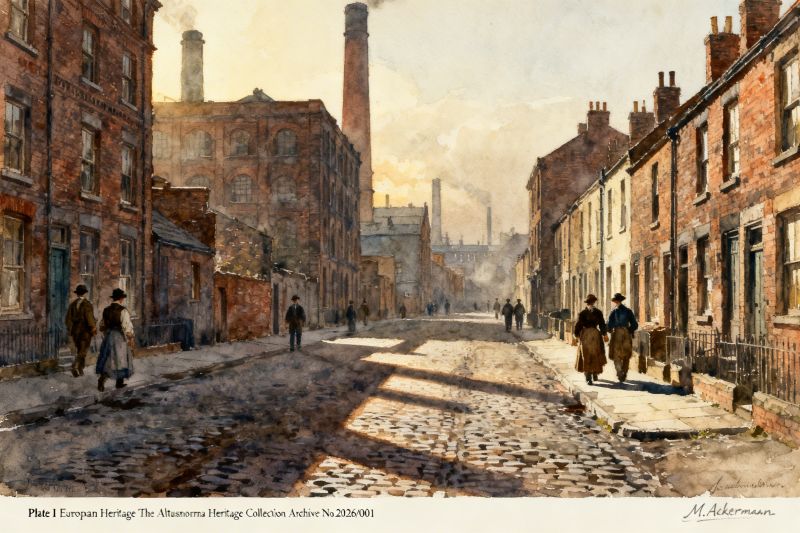
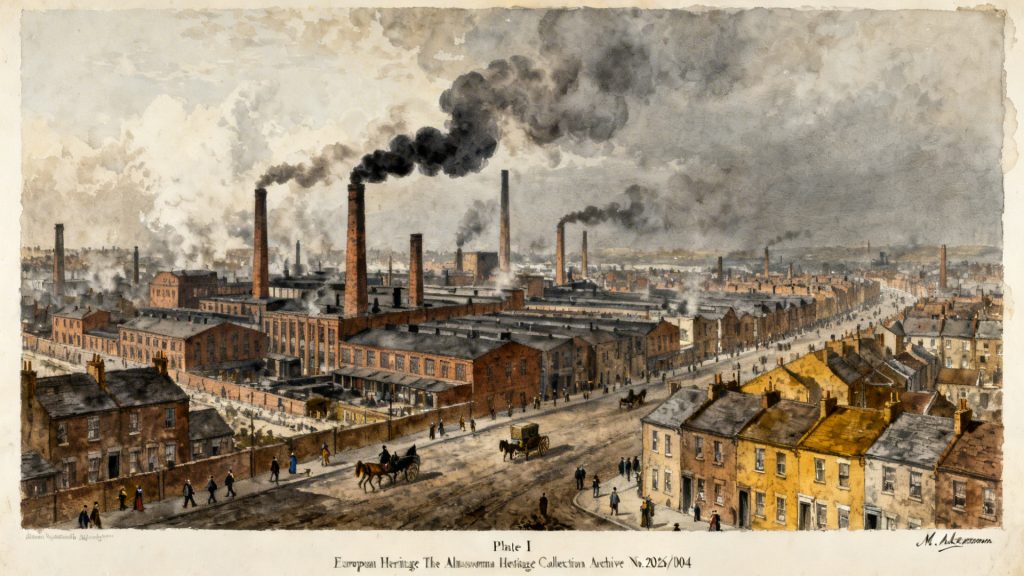
Indeed, Birmingham in the 1890s was a city of stark contrasts. Grand civic buildings and prosperous merchant quarters stood within walking distance of overcrowded slums and smoke-blackened factories. The industrial revolution had drawn thousands of workers into the city, yet wages remained low and because of that, living conditions were brutal. Certainly, it was precisely this environment of poverty and neglect that gave rise to the gang culture the city would later become famous for.
This article strips away the romanticized fiction to uncover hidden secrets of Birmingham during the 1890s. We examine the real historical figures like Harry Fowles, Kevin Moony and others, who terrorized the streets. Moreover, we explore the tangible locations. Small Heath for example, which travelers can still visit today.
The True Faces of the Peaky Blinders
Kevin Mooney: The Gang Leader
To understand the authentic history of this notorious group, one must look past tailored suits. We must focus on the harsh reality of the era. Overall, the most powerful figure within this criminal network was Kevin Mooney. He also frequently operated under the alias Thomas Gilbert.Unlike the fictional Shelby family, Gilbert did not control vast empires. As a fact, his associates did not influence national politics. They functioned as a loosely organized syndicate.
Firstly, these criminals executed land grabs and engaged in violent turf wars. This helped them assert dominance over thier neighbourhoods. Additionally, they relied heavily on fear and physical violence. They used these tactics to extract protection money from local businesses. Also, many gang members later fought in the First World War. After a decade of political control, their growing influence brought on the attention of a larger gang, the Birmingham Boys. With the Blinders’ withdrawal from the criminal underworld, the Sabini gang moved in and solidified political control over Central England in the 1930s.
The 1904 Arrests: Baby-Faced Harry and Others
The reality of their criminal enterprise becomes starkly apparent through archival police records. The infamous arrests of October 1904 highlight their true nature. Law enforcement apprehended several prominent members of the syndicate. This included the nineteen-year-old Harry Fowles. He was famously known as “Baby-faced Harry.” First, authorities arrested Fowles simply for stealing a bicycle. Simultaneously, officers detained Stephen McNickle for bicycle theft as well.
After that, they also arrested Earnest Haynes for a home invasion. As a result, these real historical figures received meager one-month prison sentences. Local authorities described these young men harshly. They were not seen as sophisticated gangsters. Instead, police called them foul-mouthed individuals. They stalked the streets in drunken groups. Moreover, they routinely insulted and mugged innocent passersby.
Children in the Criminal Underworld
Even more disturbing was the involvement of children. Police arrested David Taylor, a mere thirteen-year-old boy. He was caught carrying a loaded firearm.
To understand how a child of thirteen came to carry a weapon on the streets of Small Heath, one must first understand what childhood meant in Birmingham in these days. For instance, children as young as eight worked long shifts in metal workshops, button factories, and glass-cutting yards. As a result, the city’s industrial economy depended heavily on their small hands and cheap labour. In fact, families could not survive on a father’s wage alone, and schooling remained irregular and inconsistent for the working poor.
For many boys, the boundary between factory work and street crime was thin. The gang offered something the factory floor did not: status, solidarity, and the illusion of control. This grim reality underscores the desperate conditions of the 1890s. Economic deprivation drove the youth toward criminal activity, and it became a basic means of survival. Therefore, the gangs were truly a product of their harsh environment – born from the soot and struggle of industrial Britain.
The Streets the Peaky Blinders Controlled: Small Heath
The First Attack: March 24, 1890
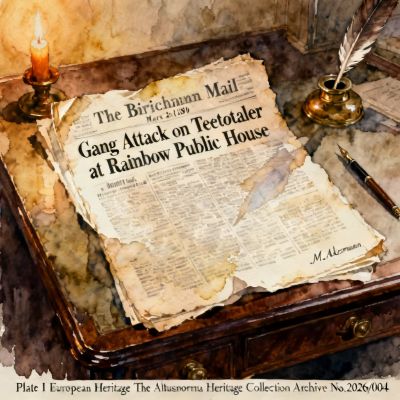
The geographical heart of their operations centered around specific industrial neighborhoods. The first documented media reference to the gang occurred on March 24, 1890. A local newspaper reported a brutal assault on George Eastwood. He was a young teetotaler visiting a local pub. After ordering a ginger beer at the Rainbow Public House, members of the gang attacked him. This incident firmly established the reputation of the Peaky Blinders. It highlighted their unprovoked violence against anyone who crossed their path.
Territory and Rival Gangs
Their primary territory encompassed the Small Heath area. This district was a dense labyrinth of factories and terraced housing. As their influence expanded, the gang inevitably clashed with rival factions.
The most notable adversaries were the “Sloggers.” This brutal gang operated out of the nearby Cheapside district. The Sloggers earned their moniker through their preferred method of combat. They slogged their victims with heavy blows using belt buckles.
The ensuing turf war transformed local streets into dangerous battlegrounds. This conflict cemented the violent legacy of the 1890s. Consequently, the neighborhoods became known for their gang activity.
Peaky Blinders Fashion and Identity
The sartorial choices of the Peaky Blinders also distinguished them. However, their fashion was not exactly as modern media portrays. They did wear flat caps regularly.
Yet, the legend about razor blades sewn into peaks is apocryphal. Safety razors were a luxury item during the 1890s. Instead, their signature look included tailored jackets and bell-bottom trousers. They also favored brass buttons and silk scarves.
This distinct fashion sense served as a uniform of rebellion. It allowed impoverished youths to assert identity and status. Therefore, their clothing was a symbol of defiance. In a city where most working men wore the same worn-out garments day after day, a well-cut jacket and polished boots carried considerable social weight. The gang members invested what little money they had into their appearance.
This was not vanity – it was a deliberate statement of belonging and power. A young man dressed in the Peaky Blinders style was immediately recognizable on the streets of Small Heath. Rivals knew to take notice, and the local community understood the unspoken message that accompanied the look. Clothing, in this sense, functioned as armor long before any weapon was drawn.
Walking the Peaky Blinders Historical Underworld Today
Tracing Historical Footsteps
Heritage travelers visiting Birmingham today can still trace these historical footsteps. However, the city has undergone significant modernization over the past century. Yet, echoes of the 1890s remain embedded in its architecture. Therefore, walking through the remnants of Small Heath provides a visceral connection. It allows visitors to imagine the shadows of these historical figures. Moreover, the narrow streets still evoke the atmosphere of the era and historical Birmingham.
Key Locations to Visit
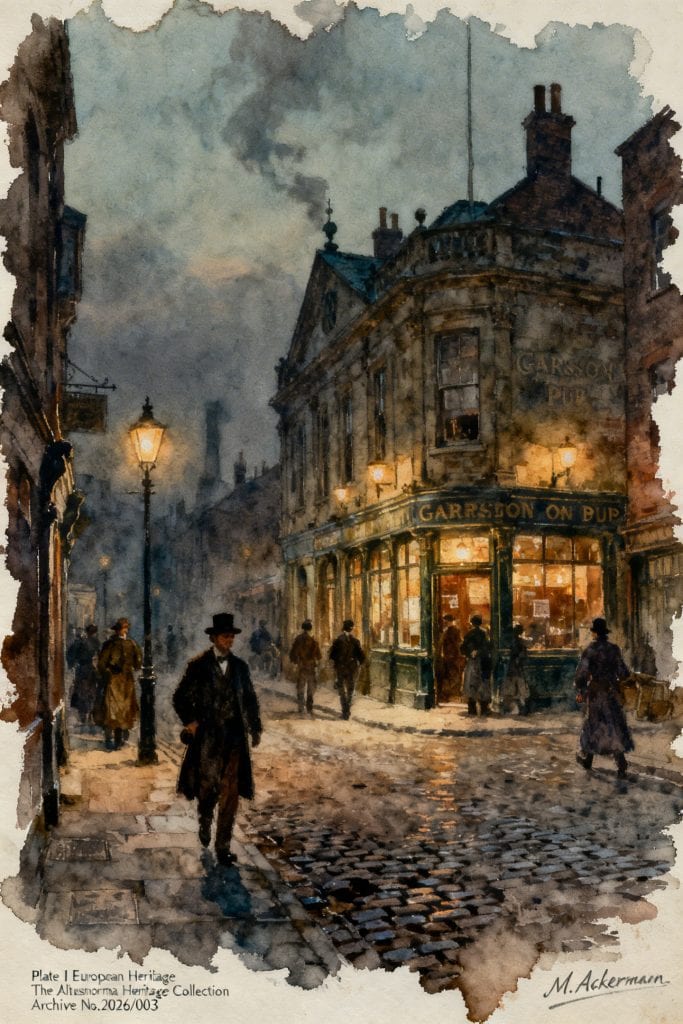
Above all, visitors can explore the vicinity of Garrison Lane and Witton Street. This real-world intersection inspired much of the gang’s mythology. The original establishments have changed significantly since the 1890s. However, the industrial Victorian architecture still frames the narrow streets. In fact, the Garrison pub stood as a real establishment in this area. The Peaky Blinders likely congregated there to plan illicit activities.
For a broader understanding of this turbulent period, visitors should consult our main guide.
The One & Only Guide to Birmingham’s Fascinating Peaky Blinders Era
Museums and Historic Pubs
To fully immerse oneself in the atmosphere, visit especially the Black Country Living Museum. This open-air museum meticulously reconstructs the industrial landscape. It offers an authentic glimpse into harsh living conditions. Visitors can walk through authentic Victorian streets and historic pubs. Above all, this experience reveals the soot-stained reality that birthed the Peaky Blinders. Additionally, the museum provides context for understanding the Victorian industrial era.
Furthermore, several historic pubs in the city center continue to operate. They exist in buildings that date back to this tumultuous era. To illustrate, stepping into these Victorian-era public houses is a unique experience. Travelers can feel the authentic environment of the past. Establishments with original tile work offer a direct portal back in time. You can imagine the days when the gangs ruled the local underworld, went for a pint or hang around the streets.
Heritage Accommodations in Birmingham
Travelers seeking to explore the hidden secrets of the Victorian industrial era need a base. The city offers several exceptional historic hotels for your stay. These properties provide a luxurious contrast to the gritty history outside. They allow travelers to experience the finest aspects of British heritage. Apart from the hotels we already mentioned in our first guide, (visit here) we have below some additional recommendations.
The Grand Hotel Birmingham
Situated in the heart of the city, The Grand Hotel Birmingham stands out. It is a magnificent testament to Victorian grandeur. Originally opened in 1879, this architectural masterpiece has hosted royalty. The recent meticulous restoration has preserved its ornate facade. It integrates modern luxury with opulent historical interiors. Furthermore, staying here places travelers within walking distance of key historical sites. In short, it offers an elegant sanctuary after exploring the industrial past.
New Hall Hotel & Spa
For travelers who prefer a secluded experience, New Hall Hotel & Spa offers an extraordinary retreat. Located just outside the city center, this property is unique. Indeed, it holds the distinction of being England’s oldest listed inhabited moated manor. The origins of this estate date back to the thirteenth century. The hotel provides a serene environment with oak-paneled rooms. In conclusion, it serves as a perfect historical base for exploring the West Midlands.
Castle Bromwich Hall Hotel Birmingham
Steeped in rich heritage, the Castle Bromwich Hall Hotel is stunning. This Grade I listed period property captures the elegance of English country life. Built in the sixteenth century, the hotel retains its original charm. It features intricate stonework and classic design elements throughout. In addition, the surrounding historic gardens offer a peaceful respite for guests. In summery, this makes it an ideal choice for history enthusiasts visiting Birmingham. The property seamlessly blends historical authenticity with modern hospitality.
Plan Your Birmingham Heritage Journey
Ready to walk the historic streets of the 1890s and uncover the real history of the city? Secure your luxurious accommodation and historical tours through our trusted travel partner today.
Disclosure: This article contains affiliate links to select hotels and services. We earn a small commission if you book through our links, at no additional cost to you. All recommendations reflect our genuine expertise and research.
Comments
One response to “Peaky Blinders: Violent Gangs and Hidden Secrets of Birmingham”
[…] Peaky Blinders: Violent Gangs and Hidden Secrets of Birmingham […]