
The One & Only Guide to Jaipur: Epic Royal Heritage Secrets
Jaipur Royal Heritage stands as one of the world’s most captivating destinations for travelers seeking authentic historical immersion. The Pink City, as locals affectionately call it, represents a remarkable fusion of Rajput grandeur and Mughal elegance. Therefore, This guide explores the epic secrets that shaped Jaipur’s identity, from its visionary founding in 1727 to the transformative royal visit of 1876. However, discover the monumental heritage sites that continue to inspire awe, and experience the finest luxury and mid-range accommodations that honor the city’s regal legacy.
The Dawn of a Planned City: Jaipur’s Historical Background
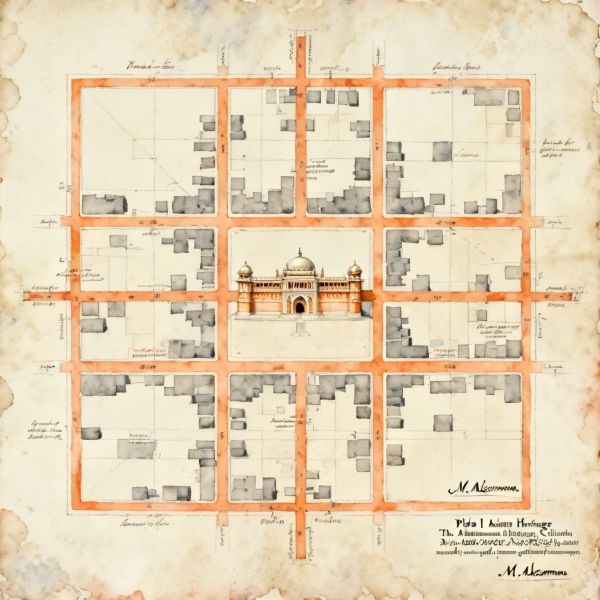
In 1727, Maharaja Sawai Jai Singh II made a visionary decision that would reshape the landscape of Rajasthan. He commissioned the construction of an entirely new capital city on the plains below the aging Amber Fort. This bold move marked a turning point in Indian urban planning. The Maharaja sought to create a city that embodied both practical governance and spiritual harmony.
The city’s design was entrusted to Vidyadhar Bhattacharya, a brilliant architect and town planner. For example, bhattacharya drew inspiration from ancient Hindu architectural principles, particularly the Vastu Shastra, which emphasizes balance and cosmic alignment. Additionally, The result was a revolutionary grid-pattern layout that divided the city into nine equal sections. Similarly, each section represented different aspects of life, from commerce to spirituality. This geometric precision was unprecedented in Indian city planning.
The architecture that emerged blended Rajput strength with Mughal refinement. Ornate havelis (traditional mansions) featured intricate jaalis (latticed screens) alongside grand courtyards. The City Palace exemplified this fusion, combining fortress-like ramparts with delicate decorative elements. By the mid-18th century, Jaipur had become a thriving center of commerce, culture, and learning.
UNESCO recognized this achievement in 2019, designating Jaipur as a World Heritage Site for its exceptional urban planning and historical significance.
The 1876 Prince of Wales Visit
The year 1876 marked a transformative moment in Jaipur’s history. Albert Edward, the Prince of Wales and future King Edward VII, embarked on an unprecedented four-month tour across the Indian subcontinent. Meanwhile, This diplomatic journey aimed to strengthen ties between the British Crown and Indian rulers. Undoubtedly, The Prince’s itinerary included visits to more than 21 towns and cities. For example, he met with over 90 Indian rulers, engaging in elaborate ceremonies and gift exchanges.
Birth of the Pink City
When the Prince arrived in Jaipur on February 4, 1876, Maharaja Ram Singh II faced a momentous decision. However, he wanted to create an unforgettable welcome that reflected the city’s grandeur and hospitality. Indeed, In a stroke of inspired creativity, Ram Singh II ordered the entire city to be painted terracotta pink. Additionally, pink, in Indian tradition, symbolizes hospitality and welcome. Thus, This single act transformed Jaipur’s visual identity forever. The city’s distinctive appearance became instantly recognizable across the world.
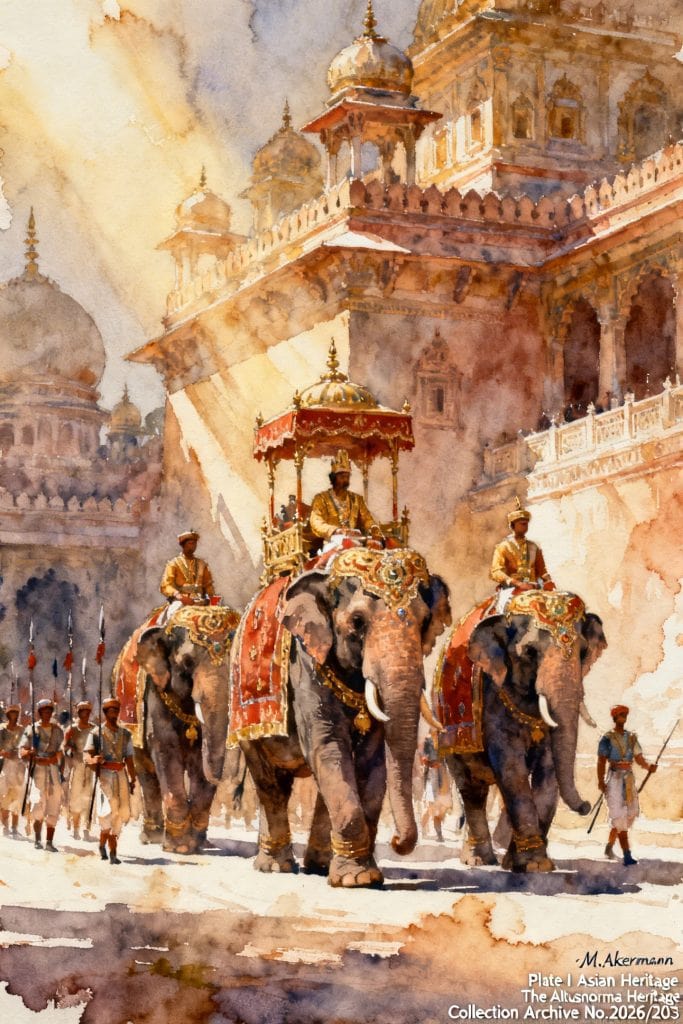
William Howard Russell, the renowned Times correspondent who accompanied the Prince, documented the visit with vivid prose. He wrote of never having “beheld any street architecture of this kind.” Russell marveled at the extraordinary interplay of colors and the supernatural quality of the vistas. The Prince himself was profoundly impressed. He received gifts of exceptional craftsmanship, including an ornate enamelled perfume holder that took five years to complete. This masterpiece, adorned with elephant-shaped feet and gold-set diamonds, exemplified the artistic excellence of Jaipur’s craftsmen.
The Prince reciprocated with gifts of his own, including commemorative medals and illustrated books. These exchanges were far more than ceremonial gestures. Likewise, they represented genuine diplomatic recognition between the British Crown and the Rajput nobility. Subsequently, The visit elevated Jaipur’s status on the global stage. More importantly, it cemented the city’s identity as the Pink City, a name that endures to this day.
Epic Royal Heritage Secrets: Exploring Monuments of Jaipur
The City Palace: A Living Legacy of Jaipur Royal Heritage
The City Palace stands as the beating heart of Jaipur’s royal heritage. Constructed in the 18th century by Maharaja Jai Singh II, this magnificent structure remains partially inhabited by the royal family to this day. The palace represents a masterful synthesis of Rajasthani and Mughal architectural traditions. Its facades feature intricate latticework, ornate balconies, and delicate arches that seem to float above the ground.
Visitors can explore the museum sections, which showcase royal artifacts, traditional weapons, and historical documents. Conversely, The courtyards reveal layers of history through their design and decoration. Each courtyard served specific functions within the palace hierarchy. The Pritam Niwas Chowk courtyard features four gates representing different seasons, each painted in distinct colors. Walking through these spaces, one experiences the daily rhythms of royal life across centuries.
Jantar Mantar: The Pursuit of the Stars
Jantar Mantar represents one of the world’s most remarkable astronomical observatories. Maharaja Sawai Jai Singh II, a brilliant mathematician and astronomer, designed this complex in the early 18th century. Specifically, The site contains 19 major astronomical instruments, each constructed from stone and marble. These instruments were used to observe celestial movements and predict planetary positions with remarkable accuracy.
UNESCO recognized Jantar Mantar as a World Heritage Site, acknowledging its exceptional scientific and architectural value. Thus, The largest instrument, the Samrat Yantra, stands over 27 meters high. Eventually, its shadow moves with such precision that it indicates time to within two seconds. In the meantime, visitors can observe how ancient Indian astronomers achieved such accuracy without modern technology. The site demonstrates the sophisticated mathematical knowledge that flourished in medieval India.
Hawa Mahal: The Palace of Winds
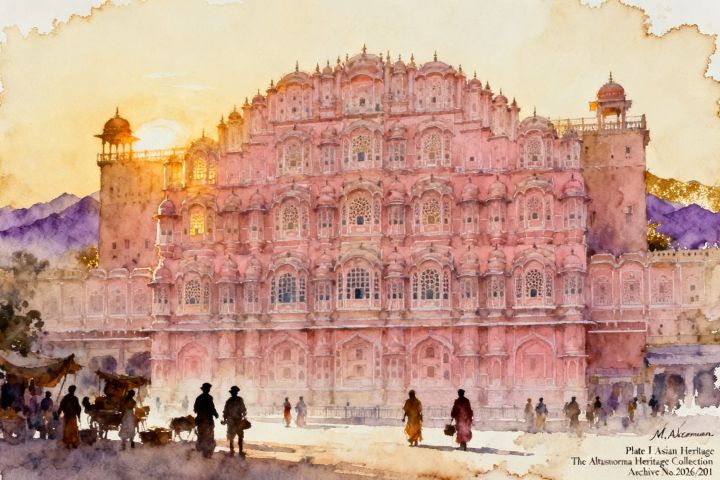
The Hawa Mahal, or Palace of Winds, stands as Jaipur’s most iconic monument. Subsequently, built in 1799 by Maharaja Sawai Pratap Singh, this five-story pink sandstone structure captivates visitors with its intricate architecture. In fact, The facade features 953 small windows, known as jharokhas, arranged in a honeycomb pattern. Specifically, these windows served a specific purpose within the social customs of the era.
Royal women could observe street life and public ceremonies from behind these windows without being seen themselves. In the meantime, The design allowed cool breezes to flow through the structure, providing natural ventilation during hot summers. The name “Palace of Winds” derives from this ingenious cooling system. Today, the Hawa Mahal remains a symbol of Jaipur’s architectural genius and cultural heritage. Its distinctive silhouette appears on countless travel guides and postcards worldwide.
Amber Fort and Jaigarh Fort: The Ancient Strongholds of Jaipur
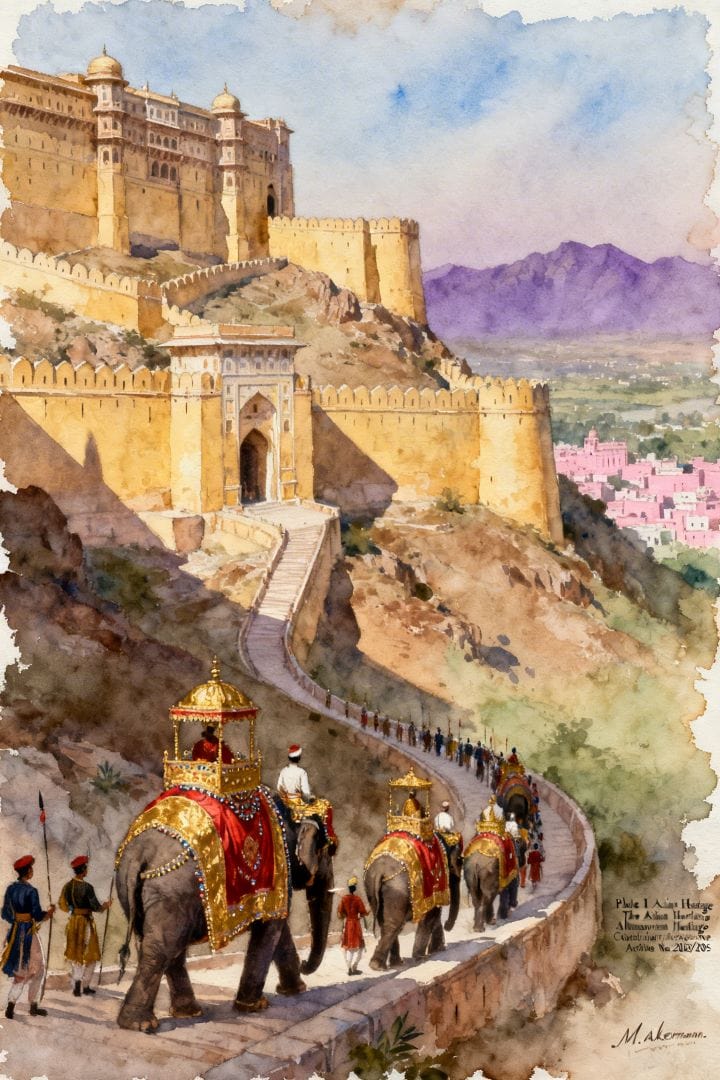
Amber Fort represents the military and political power of the Kachwaha Rajput dynasty. Built in 1592 by Raja Man Singh I, this fortress served as the capital before Jaipur was established. The fort’s location on a rugged hilltop provided natural defense against invaders. Moreover, its massive walls and intricate courtyards showcase the architectural sophistication of medieval Rajput rulers. Visitors can explore the Sheesh Mahal (Hall of Mirrors), where thousands of small mirrors create a dazzling light show when illuminated.
Jaigarh Fort overlooks Amber Fort from an even higher elevation. This fortress housed the royal treasury and served as a military stronghold. In the meantime, The fort contains impressive cannons, some of which remain intact after centuries.
Walking through these ancient structures, one gains insight into the military strategies and engineering prowess of Rajput warriors. The panoramic views from both forts encompass the entire Jaipur valley, revealing the strategic importance of these locations. Today, these forts rank among the most significant Jaipur attractions, offering visitors a tangible connection to centuries of military heritage.
The Johri: A Restored 19th-Century Gem
Luxurious special boutique hotel
Nestled in the heart of Jaipur’s iconic jewellers’ bazaar, The Johri at Lal Haveli is an intimate, luxurious boutique hotel that captures the elegance of a bygone era. This meticulously restored 19th-century home features five spacious suites overlooking a traditional courtyard, offering a sanctuary of quiet comfort. Furthermore, its carefully curated antique furniture, textiles, and art from Rajasthan create an environment of relaxed splendor. Therefore, it stands as a perfect haven from which to explore the vibrant old walled city and the magic of Jaipur.
Listed among the World’s 50 Best Hotels 2025, and featured in the World’s 50 Best Discovery List. Recognised in the Condé Nast Traveller Readers’ Choice Awards 2024 as India’s Best Boutique Hotel.
Experiencing Jaipur Royal Heritage: Luxury 5-Star Hotels
The Leela Palace Jaipur: Modern Luxury Meets Rajputana Grandeur
The Leela Palace Jaipur represents the pinnacle of contemporary luxury hospitality. Subsequently, located near Amber Fort, this 5-star property seamlessly blends modern amenities with Rajputana architectural traditions. The hotel features gleaming white facades adorned with intricate jaalis and silver-trimmed chhatris (domed pavilions). Marble corridors inlaid with parchin kari (decorative stone inlay) lead to elegantly appointed suites.
The property encompasses multiple dining venues, each celebrating different culinary traditions. Guests can dine under starlit skies with the Aravalli Mountains on the horizon. However, The spa offers Ayurvedic treatments that draw from ancient Indian wellness traditions. Likewise, a free breakfast buffet, poolside bar, and rooftop terrace complete the experience. The hotel’s commitment to service excellence ensures that every guest feels like royalty.
The Raj Palace: India’s First Museum Hotel
The Raj Palace stands as a living testament to Jaipur’s royal heritage. Originally constructed in 1727 as a maharaja’s residence, this palace has been meticulously restored and transformed into a luxury hotel. The property remains a member of Small Luxury Hotels of the World and has been recognized as the World’s Leading Heritage Hotel by the World Travel Awards seven consecutive times.
The hotel functions as India’s first museum hotel, featuring exquisite collections of artifacts, antiques, and historical documents. The Swapna Mahal restaurant showcases real gold leaf work and features a majestic crystal chandelier. However, guests dine surrounded by palace furniture and a crockery museum housing centuries-old collections. Every corner of the property tells a story of royal elegance and cultural refinement. Moreover, The experience transcends typical hospitality, offering genuine immersion in Jaipur’s aristocratic past.
ITC Rajputana: A Luxury Collection Hotel
ITC Rajputana represents the epitome of regal design and contemporary luxury. This Luxury Collection property combines sophisticated architecture with impeccable service standards. Nevertheless, The hotel features elegantly appointed suites, world-class dining venues, and comprehensive spa facilities. The property’s design reflects the grandeur of Rajput palaces while incorporating modern comfort and technology.
Guests enjoy access to multiple restaurants and bars, each offering distinct culinary experiences. The spa provides rejuvenating treatments in a serene setting. For instance, The hotel’s central location provides convenient access to major heritage sites. ITC Rajputana consistently receives recognition for its exceptional hospitality and attention to detail.
Rambagh Palace: The Former Royal Residence
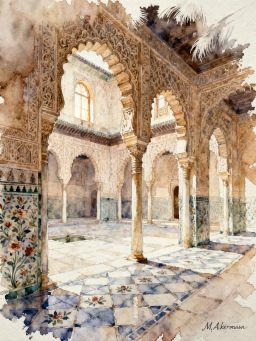
Rambagh Palace offers guests the opportunity to experience life as Jaipur royalty once did. This former residence of the Maharaja has been transformed into an ultra-luxury hotel. Likewise, The property maintains the authentic grandeur of its royal heritage while providing contemporary amenities. Ornate courtyards, intricate decorative details, and expansive gardens transport guests to another era.
The Oberoi Rajvilas: Resort Luxury and Heritage Elegance
The Oberoi Rajvilas combines resort amenities with heritage-style accommodations. In fact, The property features spacious villas, extensive gardens, and multiple swimming pools. Simultaneously, guests enjoy personalized service and access to curated cultural experiences. The hotel’s design draws inspiration from traditional Rajasthani architecture while maintaining modern comfort standards.
These luxury properties offer more than accommodation; they provide immersive experiences in Jaipur’s royal heritage. Subsequently, each hotel has been carefully selected for its commitment to authenticity, service excellence, and cultural preservation. Consequently, booking through our partner ensures access to exclusive rates and personalized service enhancements.
Plan Your Jaipur Royal Heritage Experience
Book your stay at one of Jaipur’s finest heritage hotels and immerse yourself in centuries of royal tradition. In the same vein, our partner network offers exclusive rates and personalized service to ensure your journey captures the true essence of the Pink City.
Mid-Range Heritage Elegance: 3-4 Star Hotels in Jaipur
Bissau Palace: Authentic Shekhawati Architecture
Bissau Palace represents a unique opportunity to experience authentic Rajasthani hospitality. Built in 1874 by Thakur Chandra Singh, this heritage property combines traditional Shekhawati architecture with art deco interiors. The palace features Rajasthani frescoes, royal portraits, and an impressive collection of antiques and armoury dating back to the 17th century. The present family of Bissau still resides on the property, providing personalized service that reflects genuine hospitality traditions.
Guests can participate in interactive cooking demonstrations with family members, learning traditional recipes passed down through generations. The hotel offers city sightseeing tours, camel safaris, and street food experiences. Similarly, a swimming pool, free WiFi, and daily housekeeping ensure comfort during your stay. The property’s intimate atmosphere makes visitors feel like guests of the family rather than hotel patrons.
Mandawa Haveli: Centrally Located Heritage Comfort
Mandawa Haveli offers an ideal balance of heritage charm and modern convenience. Located on Sansar Chandra Road in the heart of the Pink City, this property provides easy access to major attractions. Subsequently, The hotel features 52 opulent rooms and suites, each designed with traditional Rajasthani aesthetics. Subsequently, a swimming pool, modern amenities, and thoughtful service create a peaceful escape within the bustling city center.
Umaid Mahal: Award-Winning Heritage Boutique Hotel
Umaid Mahal has earned recognition as the best value among Jaipur’s 4-star hotels. This heritage-styled boutique property delivers exceptional Rajasthani hospitality at accessible rates. Thus, The hotel features comfortable rooms and suites, each reflecting traditional design principles. Guests consistently praise the warm welcome, attentive service, and authentic cultural atmosphere. The property represents excellent value for travelers seeking heritage experiences without premium pricing.
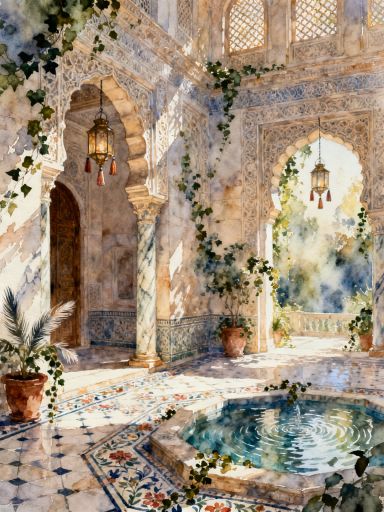
Umaid Bhawan: Heritage Styling and Comfort
Umaid Bhawan offers a wide selection of accommodations designed to suit different preferences and budgets. The property features rooms and suites decorated with heritage styling that reflects Jaipur’s royal traditions. Modern amenities ensure comfort while maintaining authentic character. As a result, The hotel provides an excellent option for travelers seeking genuine heritage experiences at mid-range prices.
These mid-range properties provide authentic heritage experiences without compromising on comfort or service quality. Each hotel has been selected for its commitment to preserving Rajasthani traditions while offering excellent value. Thus, booking through our partner ensures you receive competitive rates and personalized recommendations for your Jaipur journey.
Continuing Your Asian Heritage Journey
Jaipur Royal Heritage represents just one chapter in Asia’s vast tapestry of historical treasures. The Pink City’s blend of architectural innovation, diplomatic significance, and cultural refinement makes it essential for any heritage traveler. Whether you explore the astronomical precision of Jantar Mantar or experience royal hospitality at a palace hotel, Jaipur delivers transformative experiences. Moreover, discover more stories of Asian heritage and plan your next adventure through our comprehensive collection of guides and travel chronicles.
Continue Exploring
Discover more stories about Asian Heritage in our “The One & Only Guide” series, exploring more historical figures and events that shaped Asian mega Cities.
→ A Royal Visit 1876: Forgotten Imperial Secrets of Jaipur
→ Hong Kong’s Forgotten 1950-1970
→ Bangkok’s Forbidden Wild 1960s
Browse the Full Archive
Plan Your Jaipur Royal Heritage Experience
Book your stay at one of Jaipur’s finest heritage hotels and immerse yourself in centuries of royal tradition. In the same vein, our partner network offers exclusive rates and personalized service to ensure your journey captures the true essence of the Pink City.
Disclosure: This article contains affiliate links to select hotels and services. We earn a small commission if you book through our links, at no additional cost to you. All recommendations reflect our genuine expertise and research.
Comments
4 responses to “The One & Only Guide to Jaipur: Epic Royal Heritage Secrets”
[…] → Jaipur Epic Royal Heritage Secrets […]
[…] → Jaipur: Epic Royal Heritage Secrets […]
[…] → Jaipur: Epic Royal Heritage Secrets […]
[…] → Return to The One & Only Guide to Jaipur […]