
A Royal Visit 1876: Forgotten Imperial Secrets of Jaipur
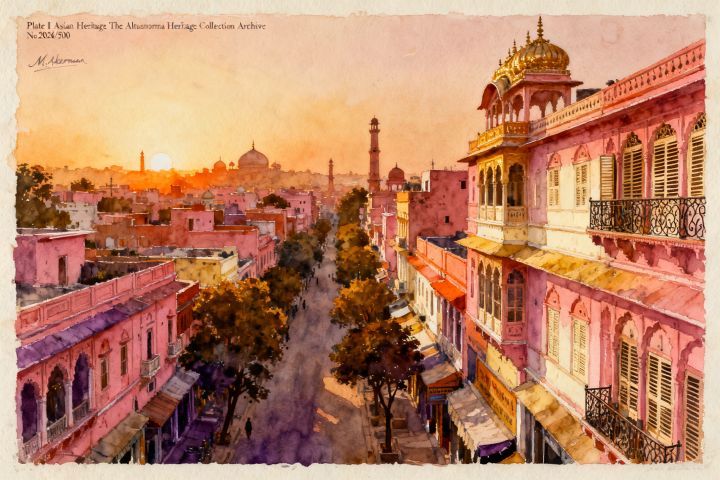
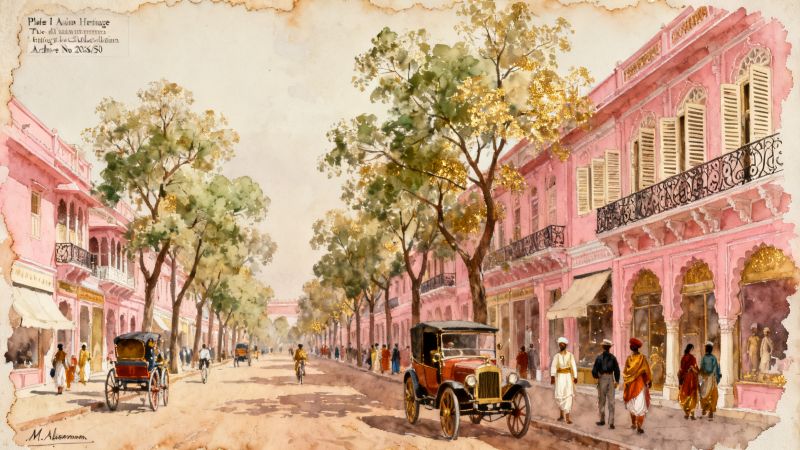
Jaipur holds many secrets within its ancient walls. Specifically, the year 1876 marked a turning point in its history. During this time, Maharaja Sawai Ram Singh II made a monumental decision. Consequently, he transformed the entire cityscape to welcome a very special guest. Furthermore, Albert Edward, the Price of Wales, embarked on a grand tour of India. Therefore, the Maharaja wanted to ensure an unforgettable reception. As a result, he ordered the city to be painted terracotta pink. This vibrant hue traditionally symbolizes hospitality in Rajput culture. Thus, the famous Pink City was born.
Moreover, the Prince’s visit was not merely a ceremonial affair. Instead, it represented a strategic diplomatic maneuver. At that time, the British Empire sought to solidify its relationships with Indian royalty. Similarly, the Rajput rulers aimed to assert their own power and influence. Consequently, the 1876 royal tour became a grand stage for political theater. In addition, William Howard Russell, a renowned correspondent for The Times, accompanied the Prince. Naturally, Russell documented every detail of this extraordinary journey. His vivid accounts provide invaluable insights into the opulence of the era.
The Correspondent’s Eye: William Howard Russell and the Pink City
Specifically, Russell marveled at the architectural wonders of Jaipur. For instance, he described the city as a vision of unparalleled beauty. Furthermore, the newly painted pink facades created a mesmerizing visual impact. Indeed, the uniformity of color enhanced the grandeur of the palaces and forts. Consequently, the Prince of Wales was profoundly impressed by his reception. Therefore, he reportedly referred to Jaipur as the “Pink City.” Subsequently, this moniker stuck, defining the city’s identity for generations. Thus, a single diplomatic visit permanently altered the cultural landscape.

Additionally, the Maharaja’s vision extended beyond mere aesthetics. In fact, he used the royal visit to showcase Jaipur’s modernization. For example, he inaugurated several new public buildings and institutions. Furthermore, he demonstrated the city’s advanced infrastructure, including its gas lighting system. Consequently, the Prince witnessed a city that blended ancient traditions with modern progress. Therefore, the visit highlighted Jaipur’s status as a forward-thinking princely state. Overall, the 1876 event was a masterclass in statecraft and public relations.
Diplomacy Through Design: The Cultural Exchange
Moreover, the cultural exchange during the visit was equally significant. Specifically, the Maharaja presented the Prince with exquisite gifts. For instance, he gifted an intricately enamelled perfume holder adorned with diamonds. Conversely, the Prince offered commemorative medals and illustrated books. Thus, these exchanges symbolized mutual respect and recognition. Furthermore, they highlighted the exceptional skill of local artisans. Consequently, Jaipur’s reputation for fine craftsmanship gained international acclaim. In short, the royal visit elevated the city’s global standing.
Meanwhile, the local population also participated in the grand festivities. Specifically, the streets were lined with enthusiastic crowds. Furthermore, elaborate processions featured caparisoned elephants and marching bands. Consequently, the atmosphere was electric with excitement and anticipation. Therefore, the 1876 visit remains a legendary event in local folklore. In fact, stories of the Prince’s arrival are still recounted today. Thus, the legacy of that momentous occasion endures in the city’s collective memory.
The Architectural Legacy: Buildings That Remember
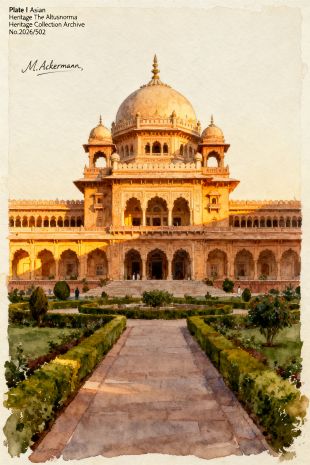
Specifically, the architectural legacy of the visit is still visible. For example, the Albert Hall Museum was named in honor of the Prince. Furthermore, its foundation stone was laid during his tour. Consequently, this magnificent building stands as a tangible reminder of the 1876 event. Therefore, visitors can still connect with this pivotal moment in history. Overall, the Prince’s visit left an indelible mark on Jaipur’s urban fabric. Thus, the Pink City continues to enchant travelers from around the world.
Moreover, understanding this history enriches the travel experience. Specifically, it provides context for the city’s unique appearance. Furthermore, it reveals the strategic brilliance of Maharaja Ram Singh II. Consequently, tourists can appreciate the depth of Rajput diplomacy. Therefore, a visit to the city is a journey into a vibrant past. In addition, the city’s heritage hotels offer a glimpse into royal lifestyles. Thus, travelers can immerse themselves in the opulence of a bygone era.
The City Palace: Living Royal Legacy
The City Palace remains one of Jaipur’s most significant structures. Specifically, it was constructed by Maharaja Jai Singh II in the 18th century. Furthermore, it represents a masterful fusion of Rajasthani and Mughal architecture. Consequently, the palace showcases intricate latticework and ornate balconies. Therefore, it stands as a testament to royal craftsmanship. In addition, portions of the palace remain the private residence of the royal family. Thus, it continues to embody the living heritage of Jaipur.
The 1876 royal visit elevated the City Palace’s significance. Specifically, the Prince of Wales toured its grand courtyards and chambers. Furthermore, he witnessed the ceremonial life of the Rajput court. Consequently, the visit reinforced the palace’s status as a center of power and culture. Therefore, the City Palace became forever linked to this momentous diplomatic event. Overall, it remains a must-visit destination for heritage travelers.
Heritage Hotels: Where History Lives
The Johri at Lal Haveli
Specifically, The Johri at Lal Haveli provides an exceptional heritage experience. For instance, this boutique hotel is located in the heart of the old city. Furthermore, it occupies a restored 19th-century merchant’s mansion. Consequently, the property exudes historical charm and elegance. Therefore, guests can enjoy a truly authentic stay. In addition, the hotel’s design reflects the city’s rich artistic traditions. Thus, it serves as a perfect base for exploring the city. The Johri offers intimate accommodations with traditional Rajasthani hospitality. Moreover, the hotel’s location allows visitors to experience the authentic pulse of Jaipur. Therefore, it is an ideal choice for heritage travelers seeking cultural immersion.
Rambagh Palace
Additionally, Rambagh Palace represents the pinnacle of royal luxury. Specifically, this palace hotel was built in 1835 and later served as the residence of the Maharaja. Furthermore, it exemplifies the grandeur of Rajput architecture. Consequently, guests experience authentic royal hospitality. Therefore, Rambagh Palace offers an unparalleled immersion into Jaipur’s heritage. In fact, the palace features ornate courtyards, manicured gardens, and opulent suites. Thus, it is the ultimate destination for travelers seeking luxury heritage experiences.
Plan Your Jaipur Royal Heritage Experience
Book your stay at one of Jaipur’s finest heritage hotels and immerse yourself in centuries of royal tradition. In the same vein, our partner network offers exclusive rates and personalized service to ensure your journey captures the true essence of the Pink City.
Planning Your Visit to Jaipur
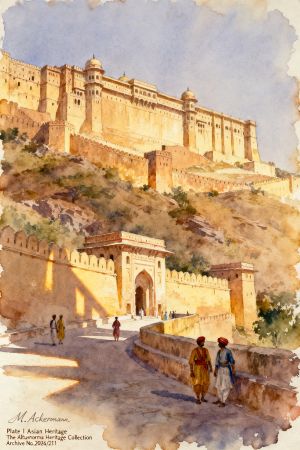
For travelers interested in exploring Jaipur’s 1876 heritage, careful planning is essential. Specifically, the best time to visit is October through March. Furthermore, the weather during these months is pleasant and conducive to exploration. Consequently, you can comfortably visit historical sites and museums. Therefore, plan your itinerary to include the City Palace, Hawa Mahal, and Amber Fort. In addition, allocate time for heritage hotel experiences. Thus, you will gain a comprehensive understanding of Jaipur’s royal past.
Moreover, engaging with local guides enhances the experience significantly. Specifically, they provide context and historical insights unavailable in guidebooks. Furthermore, they share stories passed down through generations. Consequently, you gain authentic perspectives on the 1876 visit and its impact. Therefore, local expertise transforms a simple tour into a meaningful cultural journey. Overall, Jaipur rewards thoughtful, immersive exploration.
The Enduring Legacy of 1876
The 1876 royal visit transformed the city forever. Specifically, it established the city as a center of diplomatic significance. Furthermore, it showcased Rajput ingenuity and cultural sophistication. Consequently, the Pink City became an icon recognized worldwide. Therefore, the legacy of that momentous year continues to define Jaipur today. In fact, every pink-painted building stands as a testament to Maharaja Ram Singh II’s vision. Thus, the 1876 visit remains the defining moment in the city’s modern history.
For heritage travelers, Jaipur offers a unique opportunity to connect with this pivotal era. Specifically, the city preserves the physical and cultural remnants of 1876. Furthermore, it invites visitors to experience the grandeur of a royal past. Consequently, understanding this history enriches every moment spent in the Pink City. Therefore, Jaipur stands as one of Asia’s most captivating heritage destinations. Overall, the 1876 royal visit remains a defining chapter in the story of India’s greatest cities.
Continuing Your Asian Heritage Journey
The 1876 royal visit represents just one chapter in Asia’s vast tapestry of historical treasures. Jaipur’s blend of architectural innovation, diplomatic significance, and cultural refinement makes it essential for any heritage traveler. Whether you explore the City Palace or experience royal hospitality at a palace hotel, Jaipur delivers transformative experiences. Moreover, discover more stories of Asian heritage and plan your next adventure through our comprehensive collection of guides and travel chronicles.
Continue Exploring
Discover more stories about Asian Heritage in our “The One & Only Guide” series, exploring more historical figures and events that shaped Asia’s greatest cities.
→ Return to The One & Only Guide to Jaipur
→ Saigon: Hidden Secrets of Indochina
→ Bangkok’s Forbidden Wild 1960s
Browse the Full Archive
Disclosure: This article contains affiliate links to select hotels and services. We earn a small commission if you book through our links, at no additional cost to you. All recommendations reflect our genuine expertise and research.
Comments
One response to “A Royal Visit 1876: Forgotten Imperial Secrets of Jaipur”
[…] → A Royal Visit 1876: Forgotten Imperial Secrets of Jaipur […]