
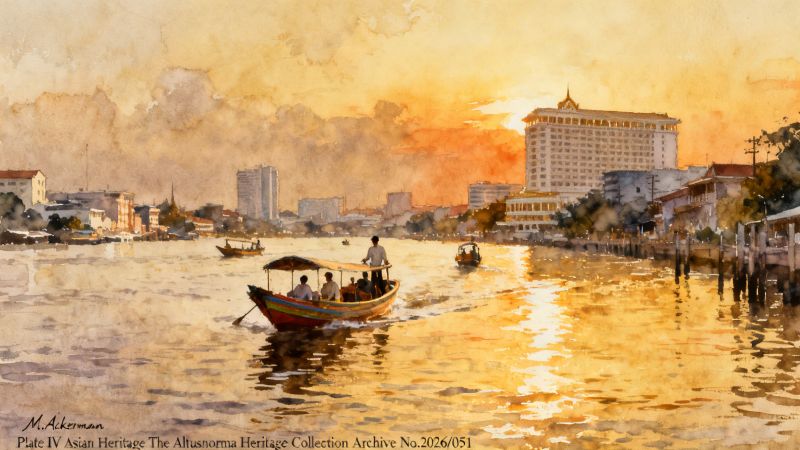
Bangkok’s Introduction: The Era That Transformed a City
Bangkok in the 1960s was not the Bangkok you know today. The city transformed. It exploded. Fifty thousand American servicemen arrived seeking rest and recreation during the Vietnam War. They came with money. They came with appetite. They came with expectations. What they found was a city ready to reinvent itself – and a Bangkok’s legendary hotels that would anchor the entire transformation.
The History: Why Bangkok? The R&R Destination
The Vietnam War changed everything. Thailand became crucial to American military operations. By the mid-1960s, almost 50,000 American military personnel were stationed in Thailand. Most were airmen. They operated from bases scattered across the country. But Bangkok was where they came to rest.
The military called it R&R – Rest and Recreation. American servicemen received five to seven days of leave during their tours. Bangkok became the destination. Why? The city offered everything. It offered escape. It offered affordability. It offered a different world entirely from the war in Vietnam.
The economic impact was immediate. The United States poured $1.1 billion in military and economic aid into Thailand. USAID added another $590 million. This wasn’t just military spending. This was transformation capital. Thai entrepreneurs recognized the opportunity. They built hotels. They opened restaurants. They created entertainment venues. The city shifted. It evolved. It became something new.
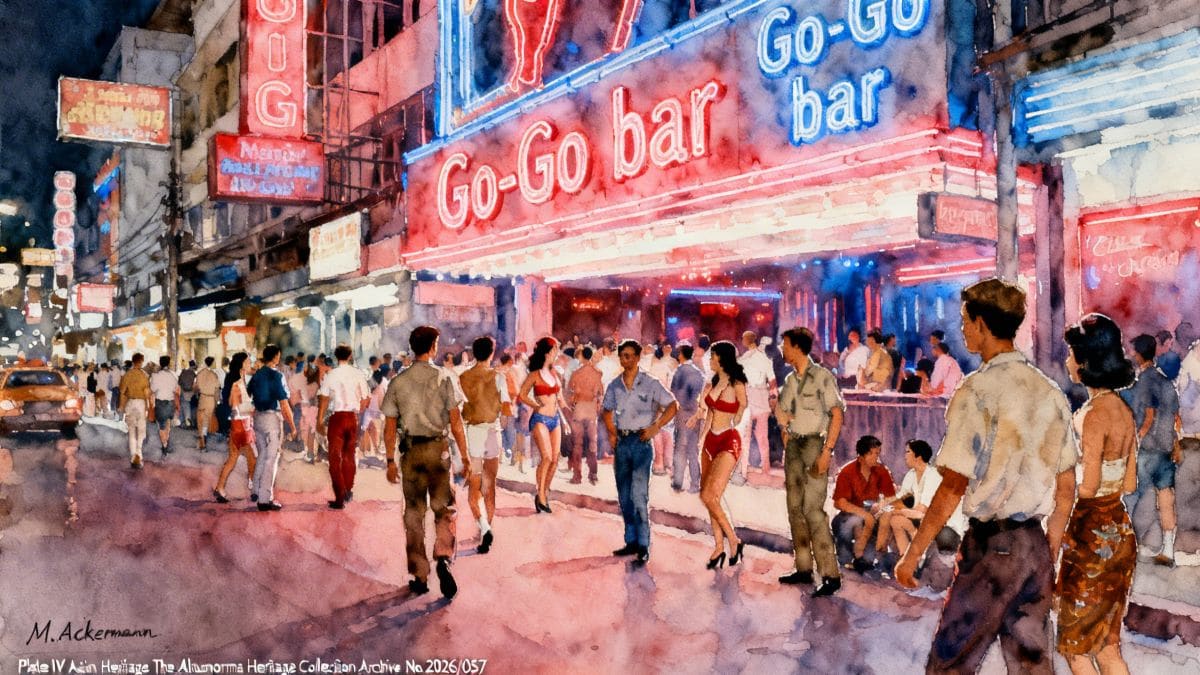
New Petchburi Road earned a nickname: “The Golden Mile.” This was the primary R&R area for enlisted servicemen. Bars opened. Nightclubs emerged. The street transformed into a neon-lit corridor of entertainment. But this was only part of the story. The real transformation happened in Patpong.
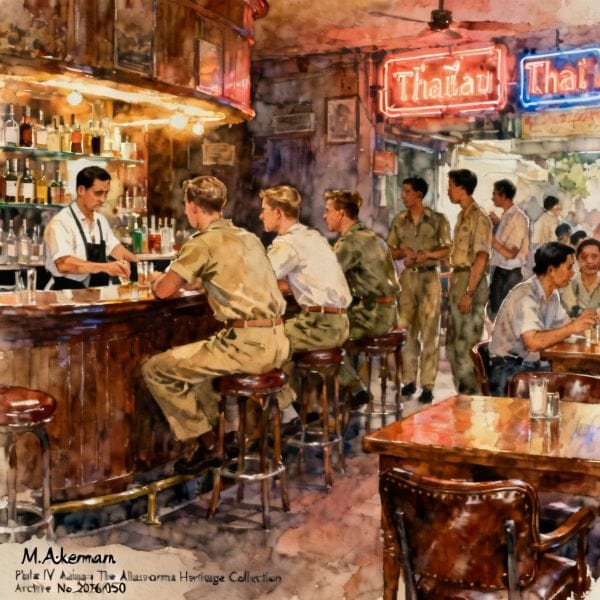
Heritage Hotels of Bangkok’s Forbidden 1960s
Bangkok’s hospitality infrastructure during the 1960s was stratified. Officers, diplomats and politicians stayed at luxury properties. Servicemen stayed at mid-range establishments. This hierarchy reflected the era’s social structure. It reflected military rank. It reflected economic realities.
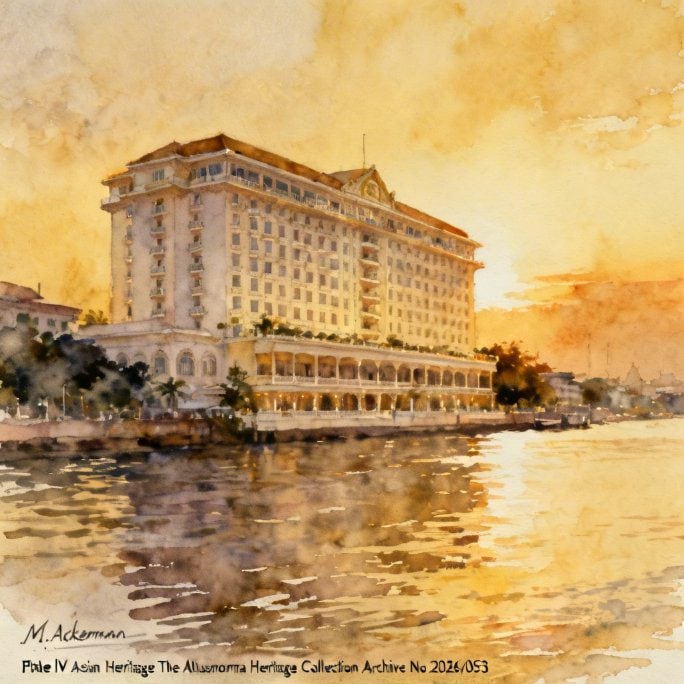
Bangkok’s Luxury Tier Hotels
Mandarin Oriental Bangkok (1876)
Bangkok’s anchor. The standard-bearer. Officers and dignitaries chose the Mandarin Oriental. Jim Thompson’s influence shaped its aesthetic during the Vietnam War era. The hotel represented refinement. Tradition. Continuity. It remains the most prestigious property from this period.
The Mandarin Oriental stood on the banks of the Chao Phraya River. It had stood there since 1876. But the 1960s transformed it into something entirely different. It became a sanctuary. A refuge. A place where officers, diplomats, and the world’s most discerning travelers could escape the chaos of the era and find something timeless.
Jim Thompson served as joint owner from 1946 to 1967. Thompson understood something crucial: Bangkok needed a luxury anchor. A place that honored tradition while embracing modernity. The Mandarin Oriental became exactly that. While 50,000 servicemen flooded into Bangkok seeking entertainment, the Mandarin Oriental remained untouched by the frenzy. Its lobby welcomed generals, politicians and diplomats. Its restaurants served the finest Thai and international cuisine. Its rooms offered views of the Chao Phraya that seemed to exist outside of time.
The hotel’s dining venues became legendary. Officers and visiting dignitaries chose the Mandarin Oriental not for the spectacle, but for the substance. The cuisine was exceptional. The service was impeccable. The atmosphere was sophisticated. This was where the serious business of hospitality happened. This was where Bangkok’s transformation was negotiated over dinner.
The Mandarin Oriental survived, thrived, and remained the anchor while other hotels came and went – a living testament to the era’s transformation.
Dusit Thani Bangkok (1970)
Established just as the R&R boom peaked, Dusit Thani became an iconic luxury property. The hotel served growing tourism and affluent travelers. Recently reconstructed in 2024, it preserves its 1970s Thai landmark character while offering contemporary comfort. Over 50 years of hospitality history.
Shangri-La Bangkok (1970s)
Developed during the post-war tourism surge, Shangri-La represented the new generation of luxury hospitality. The hotel catered to affluent travelers seeking premium accommodations. It embodied Bangkok’s transformation into a world-class destination.
Bangkok’s Mid-Range Heritage Hotels: The Authentic R&R Experience
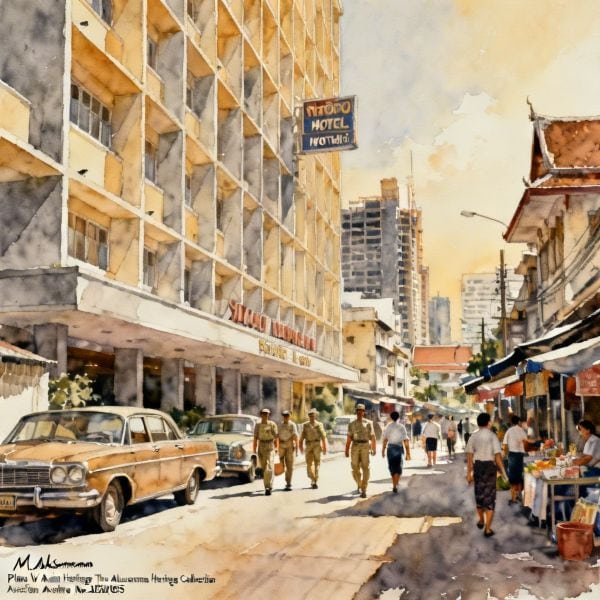
While luxury properties served officers, mid-range hotels served the enlisted men. These establishments were where the real R&R culture happened. They were where servicemen spent their leave. They were where the era’s authentic energy lived.
Miami Hotel (1965)
Located near BTS Nana on Soi Sukhumvit 13, the Miami Hotel opened the same year Apasra Hongsakula became the first Thai woman crowned Miss Universe in Miami Beach. The hotel’s name was deliberate. It was designed to appeal to American servicemen. The original design featured high ceilings, jukebox machines, and vintage telephone switchboards. Room rates started at 120 baht.
The Miami Hotel remains largely unchanged. Its vintage aesthetic is preserved. It is a time capsule. A living museum of the 1960s. Fashion photographers and celebrities now use it as a backdrop. But its authentic character remains intact.
Rajah Hotel (1966)
Established in 1966 during the peak of the R&R boom, the Rajah Hotel served mid-range travelers and servicemen. It represented the entrepreneurial response to American military presence. The hotel still operates today, a survivor of the era.
Malaysia Hotel (1967)
The Malaysia Hotel opened in 1967 on Soi Ngamduplee in the Sathorn area, close to Patpong. The name comes from the owner’s Chinese family name “Ma” – not from the neighboring country. The hotel’s original 120 rooms served R&R servicemen. Room rates were 120 baht. After the servicemen left, rates dropped to 60 baht to attract backpackers.
The Malaysia Hotel’s 24-hour Malai restaurant became legendary. It served all kinds of diners. It attracted locals and travelers. The hotel remains family-owned, now in its third generation. Long-serving staff members have worked there for 50+ years. They remember the servicemen. They remember the chaos. They remember the transformation. The Malaysia Hotel is not just a building. It is a living historical record.
Book Your Stay Through Our Partner
The hotel links throughout this guide direct you to official hotel websites for transparency and detailed information. However, we recommend booking through our trusted Asian travel partner to secure the best rates on luxury accommodations. Browse the hotels featured above through our partner link for exclusive deals and seamless booking.
Patpong: From Quiet Business District to Bangkok’s Entertainment Revolution
Patpong was not always famous. In 1946, Luang Patpongpanich, an immigrant from Hainan Island, purchased the land. It was undeveloped. A small khlong (canal) ran through it. A teakwood house stood alone. The family built a road – Patpong 1 – and rented out shop buildings. It was ordinary. Unremarkable. Just another Bangkok business district.
Then came 1968. The transformation began. A handful of nightclubs opened. American military officers discovered the area. Officers had money. Officers had status. Officers wanted something different from the enlisted men’s bars on the Golden Mile. Patpong answered that call. It became the R&R destination for officers. For dignitaries. For men with means.
The district exploded. Bars multiplied. Nightclubs emerged. Entertainment venues flourished. The street that had been quiet became legendary. As a result, Patpong 1 and Patpong 2 transformed into Bangkok’s most famous entertainment strip. The Patpongpanich family’s private roads became the heart of the city’s nightlife.
By the 1970s, Patpong was world – famous. It was the premier nightlife destination in Bangkok for foreigners. It was known for its sexually explicit shows. It was known for its energy. It was known for its complexity. It represented something Bangkok had never been before: a place where Western excess met Thai entrepreneurship. Where American military culture met Thai hospitality. Where money and desire intersected in neon light.
The district’s character was layered. Different bars catered to different clientele. Racial dynamics of the Vietnam War era played out on these streets. Some establishments served primarily white servicemen. Others served Black servicemen. Some catered to officers. Others to enlisted men. The district was stratified. Complex. Real.
Legendary establishments emerged. The Mississippi Queen became iconic. Tony Douglas, an original hippie entrepreneur, opened it and created something that lasted decades. Sailor bars like the Mosquito Bar served merchant seamen. The atmosphere was dark. Intimate. A refuge within the refuge. These were places where stories were made. Where connections formed. Where Bangkok’s transformation was lived, not just observed.
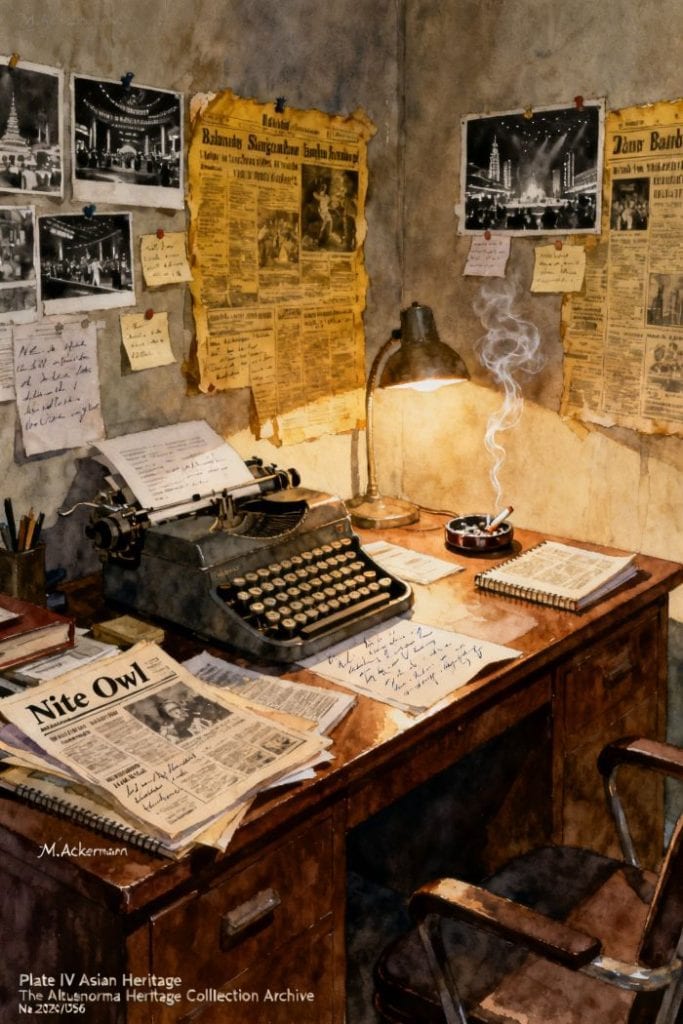
Bernard Trink: The Nite Owl Chronicles
A journalist named Bernard Trink arrived in Bangkok during the Vietnam War era. He had come to Asia as a G.I. during the Korean War. He had worked in India, Hong Kong, and Japan. But Bangkok captured him. The city’s transformation fascinated him. He decided to document it.
In 1966, Trink began writing a column called “Nite Owl” in the Bangkok World. Later it moved to the Bangkok Post. For nearly four decades – from the 1960s until 2003 – he chronicled Bangkok’s nightlife. He wrote about bars. He wrote about nightclubs. He wrote about restaurants. He wrote about the city’s transformation.
Trink was revered and reviled. Some loved his columns. Others hated them. But everyone read them. He became a legend. He became the voice of Bangkok’s nightlife during its most transformative era. His “Nite Owl” column provided a primary source. A contemporary record. A window into what the 1960s actually felt like.
Trink understood something important: Bangkok’s nightlife was not separate from Bangkok’s history. It was part of it. It was central to it. The bars and clubs were where the city’s transformation happened. Where cultures collided. Where money flowed. Where stories were made. Trink documented all of it.
To delve deeper into the insights and contributions of Bernard Trinker, explore further.
The Entertainment Districts: Bangkok’s Patpong and Nana Plaza
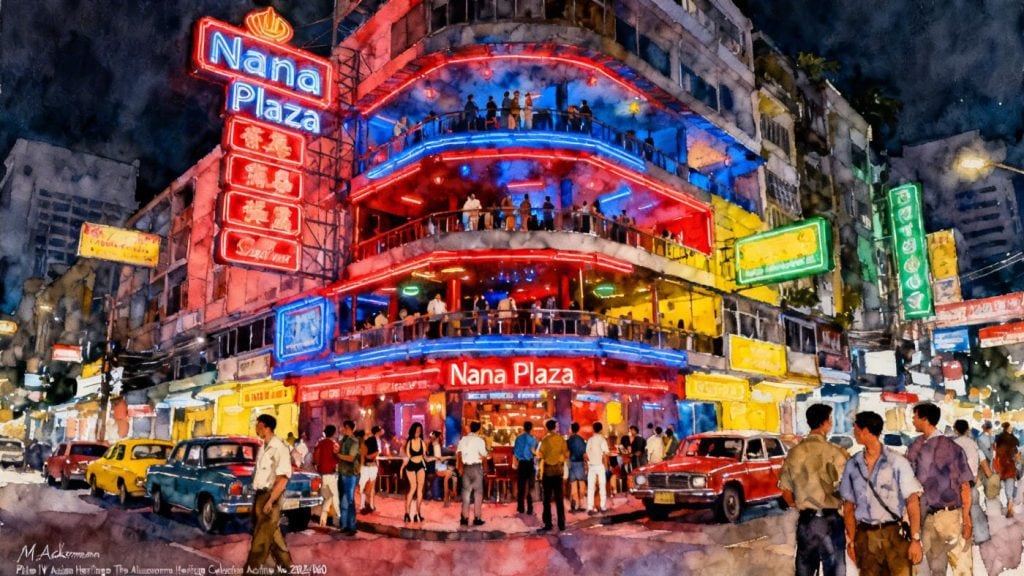
Patpong was not the only entertainment district. Nana Plaza emerged as an alternative. Different character. Different clientele. Different energy. Both districts served the R&R boom. Both reflected the era’s complexity.
Patpong was the original. It was the famous one. It was the place where officers went. Where the most exclusive venues operated. Where the highest prices were charged. Patpong represented the peak of the entertainment district hierarchy.
Nana Plaza was different. It emerged later. It served a broader clientele. It was more accessible. It was rawer. It was less polished than Patpong. But it was authentic. It was real. It represented the working-class side of Bangkok’s entertainment transformation.
Both districts reflected the racial dynamics of the Vietnam War era. The Bangkok entertainment scene mirrored America’s racial tensions. Different bars served different servicemen. The city became a microcosm of American society during a turbulent time. This was uncomfortable. This was real. This was part of the historical record.
The districts also served Thai workers. Thai entrepreneurs. Thai society. This was not simply American military culture imposed on Thailand. This was Thai entrepreneurs capitalizing on opportunity. This was Thai workers providing services. This was economic exchange. This was cultural negotiation. It was complex. It was layered. It was human.
Where to Eat: Street Food, Local Restaurants & Fine Dining
Street Food: The Soul of Bangkok’s streets
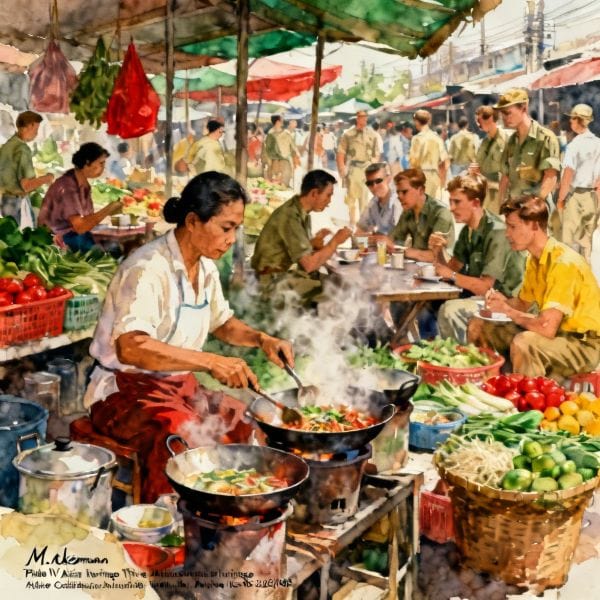
While the entertainment districts captured attention, Bangkok’s street food culture remained the city’s true heart. Street vendors operated everywhere. They still do. They served servicemen. They served locals. They served everyone.
Michelin recognition came later. But the excellence was always there. Jay Fai became legendary for her omelettes. Her technique was extraordinary. Her dedication was absolute. She represented something essential: Bangkok’s commitment to culinary excellence even in humble settings. Even in street food. Even in the chaos of the 1960s.
K. Panich served traditional Thai street food. Somsak Pu Ob specialized in crab dishes. These were not fancy establishments. They were working-class restaurants. But they were excellent. They represented authentic Bangkok. They represented the real food culture that sustained the city during transformation.
K. Panich
Specialty: Traditional Thai street food
Recognition: Michelin-starred
Why Visit: Authentic local experience, accessible pricing, represents working-class Bangkok dining culture
Jay Fai
Specialty: Omelettes, Thai street food elevated
Recognition: Michelin-starred street food
Why Visit: Represents Bangkok’s culinary excellence; expect waits but experience world-class street food
Somsak Pu Ob (Charoen Rat)
Specialty: Crab dishes, traditional preparations
Recognition: Michelin-starred street food
Why Visit: Represents seafood traditions; authentic neighborhood setting
Bangkok’s Local Restaurants: Authentic Bangkok
Street food vendors operated in markets. They operated on corners. They operated wherever people gathered. They served the servicemen. They served the local workers. They served the city. Street food was democracy. It was accessible. It was excellent. It was Bangkok’s true culture.
The Michelin Guide eventually recognized this. Seven street food establishments in Bangkok received Michelin recognition. This was not a new development. This was recognition of what had always been true. Bangkok’s street food was world-class. It always had been. The 1960s did not create this excellence. The 1960s simply made it more visible.
Krua Apsorn
•Specialty: Crab omelette, traditional Thai
•Character: Iconic Bangkok institution
•Why Visit: Represents authentic local dining; accessible, beloved by locals
•Atmosphere: Casual, energetic, real Bangkok
Thip Samai
•Specialty: Pad Thai (Bangkok’s best)
•Character: Famous street-level restaurant
•Why Visit: Iconic Bangkok experience; represents street food culture
•Atmosphere: Bustling, authentic, local clientele
Charoen Saeng Silom
•Specialty: Traditional Thai cuisine
•Character: Long-established local favorite
•Why Visit: Silom area connection (near Patpong); authentic local dining
•Atmosphere: Neighborhood restaurant feel
Fine Dining: The Refined Side
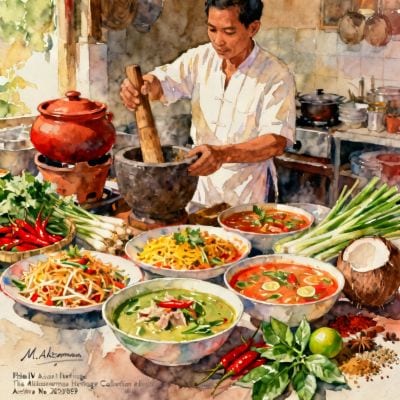
While street food represented Bangkok’s democratic soul, fine dining represented its aspirational side. The Mandarin Oriental’s restaurants became destinations. Officers and dignitaries dined there. The cuisine was exceptional. The service was impeccable.
These establishments coexisted with street food vendors. Bangkok did not choose between them. Bangkok embraced both. This was the city’s genius. It could be both refined and raw. Both traditional and innovative. Both humble and luxurious. All simultaneously.
Mandarin Oriental – Dining Venues
•Venues: Multiple restaurants within the hotel
•Specialty: Thai and international fine dining
•Why Visit: Central to article narrative; luxury dining experience
•Historical Significance: Where officers and dignitaries dined during 1960s
Celadon (Sukhothai Hotel)
•Specialty: Royal Thai cuisine, refined preparations
•Character: Elegant, sophisticated
•Why Visit: Represents luxury Thai dining; fine dining standard
•Atmosphere: Refined, cultural, elegant
Nahm (Metropolitan Hotel)
•Specialty: Contemporary Thai, chef-driven
•Character: Modern fine dining with Thai roots
•Why Visit: Represents evolution of Bangkok dining; culinary excellence
•Atmosphere: Sophisticated, innovative
Where to Drink: Rooftop Bars & Entertainment Districts
Rooftop Bars: Views of the Transformed City
Modern Bangkok offers rooftop bars that would have been impossible in the 1960s. But they represent the evolution of the era’s spirit. They offer views of a city that transformed. They offer perspectives on what the 1960s created.
Sirocco at Lebua State Tower
Location: 63rd floor, State Tower
Character: Iconic rooftop bar with 360-degree views
Why Visit: Modern Bangkok nightlife; views of transformed city
Historical Connection: Represents contemporary evolution of 1960s bar culture
Experience: Sophisticated, upscale, panoramic views
Moon Bar at Banyan Tree
Location: 61st floor, Banyan Tree Hotel
Character: Elegant rooftop bar, sophisticated clientele
Why Visit: Luxury nightlife experience; refined atmosphere
Historical Connection: Modern equivalent of officer clubs from 1960s
Experience: Upscale, intimate, refined
The Entertainment Districts: Patpong Today
Patpong itself remains. The district evolved. The night market emerged in the 1990s. The character shifted. But the history remains. Walking through Patpong today, you walk through history. You see where the transformation happened. You understand what the 1960s created.
Patpong Entertainment District (Historical Context)
Location: Silom area (Patpong 1 & 2)
Character: Historic entertainment district, evolved from 1960s
Why Visit: Direct connection to article narrative; historical significance
Historical Connection: The actual location of 1960s transformation
Experience: Authentic, layered, complex history
Venues: Multiple bars, night market, cultural sites
Patpong Museum: Documents the era’s complexity and history
Discover Bangkok’s Experiences Through Our Partner
For curated activities, cultural tours, and dining experiences in Bangkok, we recommend browsing through our trusted Asian travel partner. Discover heritage tours, traditional cooking classes, and premium dining reservations with exclusive rates.
Conclusion: The Forbidden 1960s and Modern Bangkok
Bangkok’s Forbidden 1960s transformed the city. The era was complex. It was layered. It was not simple. It was not clean. It was human. It was economic. It was cultural. It was all of these things simultaneously.
The Mandarin Oriental represented the refined side. The luxury. The tradition. The continuity. It was where officers and dignitaries found refuge. Where excellence was maintained. Where the old Bangkok and the new Bangkok could coexist.
Patpong represented the entrepreneurial side. The energy. The chaos. The transformation. It was where Thai entrepreneurs capitalized on opportunity. Where the city reinvented itself. Where money and desire intersected.
Street food represented the democratic side. The authenticity. The excellence. The soul of the city. It was where real Bangkok lived. Where the city’s true culture was expressed.
Bernard Trink documented all of it. He chronicled the transformation. He recognized its importance. He made it real. He made it matter.
The 1960s are gone. But their legacy remains. Bangkok today is a product of that era. The infrastructure left behind by American military presence aided the country’s modernization. The hotels built to serve servicemen became permanent features. The entertainment districts evolved but remained. The street food culture continued. The fine dining tradition flourished.
The Mandarin Oriental still stands on the Chao Phraya. It still welcomes the world’s most discerning travelers. It still represents luxury. It still honors tradition. It still embodies what Bangkok became during the 1960s: a place where East and West intersected. Where tradition and modernity coexisted. Where complexity was embraced.
Bangkok’s Forbidden 1960s created the city you visit today. Understanding that era means understanding Bangkok. It means recognizing the forces that shaped it. It means appreciating the complexity. It means honoring both the Mandarin Oriental’s refinement and Patpong’s raw energy. It means recognizing that Bangkok’s greatness comes from its ability to be both. To embrace both. To thrive with both.
This is Bangkok’s heritage. This is Bangkok’s story. This is why the 1960s matter. This is why they remain the city’s most transformative era.
Continue Exploring
Discover more stories from this destination in our Voices of the Past series or Heritage Guides
→ Bernard Trink: The Incredible Secrets of Bangkok’s Forbidden 1960s
→ Hong Kong’s Forgotten 1950-1970
→ Saigon: Hidden Secrets of Indochina
Browse the Full Archive
Disclosure: This article contains affiliate links to select hotels and services. We earn a small commission if you book through our links, at no additional cost to you. All recommendations reflect our genuine expertise and research.
Comments
8 responses to “The One & Only Guide to Bangkok’s Forbidden Wild 1960s”
[…] Furthermore, read our complet Bangkok guide here: The One & Only Guide to Bangkok’s Forbidden Wild 1960s […]
[…] → Bangkok’s Forbidden Wild 1960s […]
[…] → Bangkok’s Forbidden Wild 1960s […]
[…] → Bangkok’s Forbidden Wild 1960s […]
[…] → Bangkok’s Forbidden Wild 1960s […]
[…] → Bangkok’s Forbidden Wild 1960s […]
[…] → Bangkok’s Forbidden Wild 1960s […]
[…] → Bangkok’s Forbidden Wild 1960s […]